Latest article
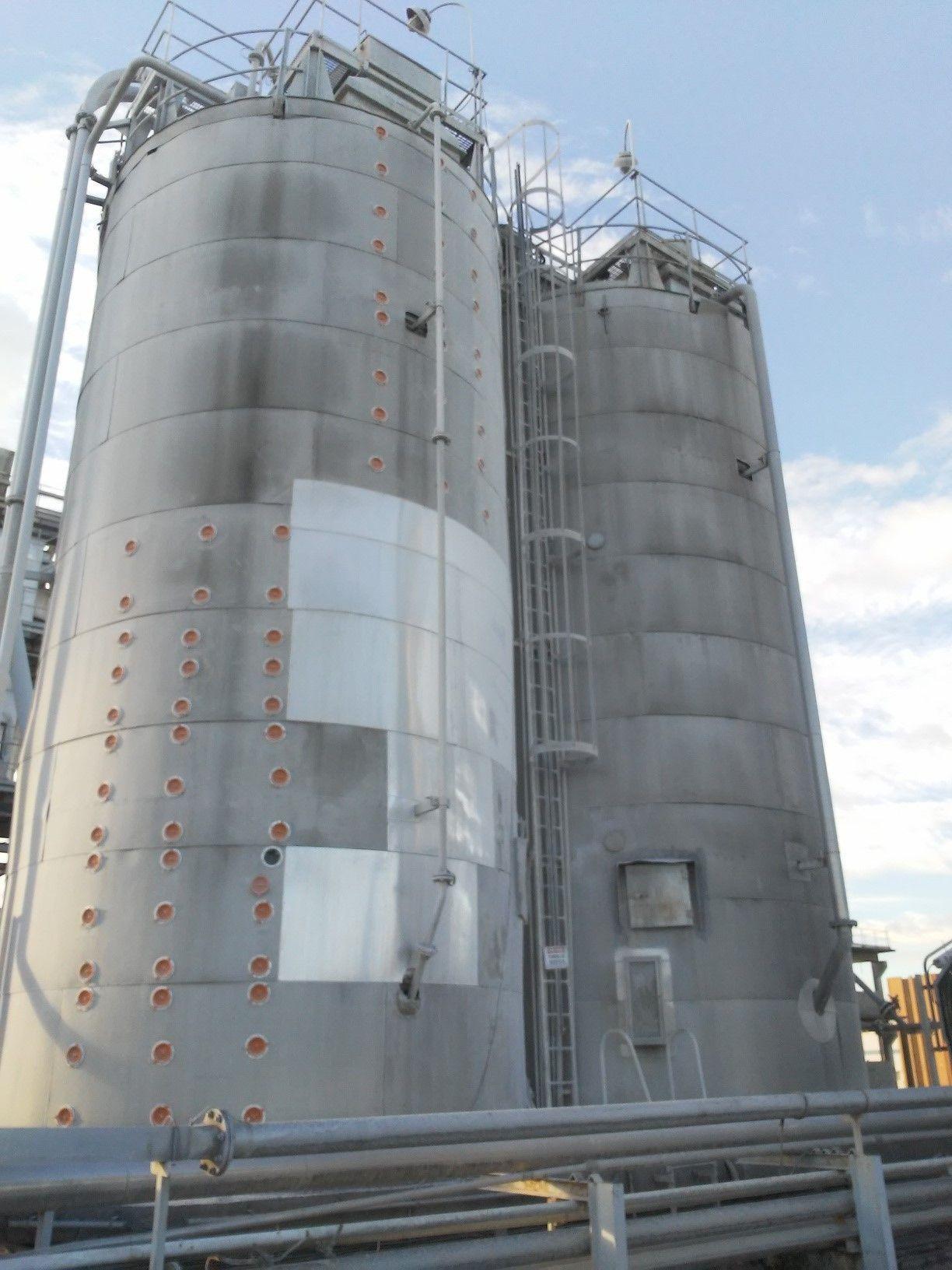
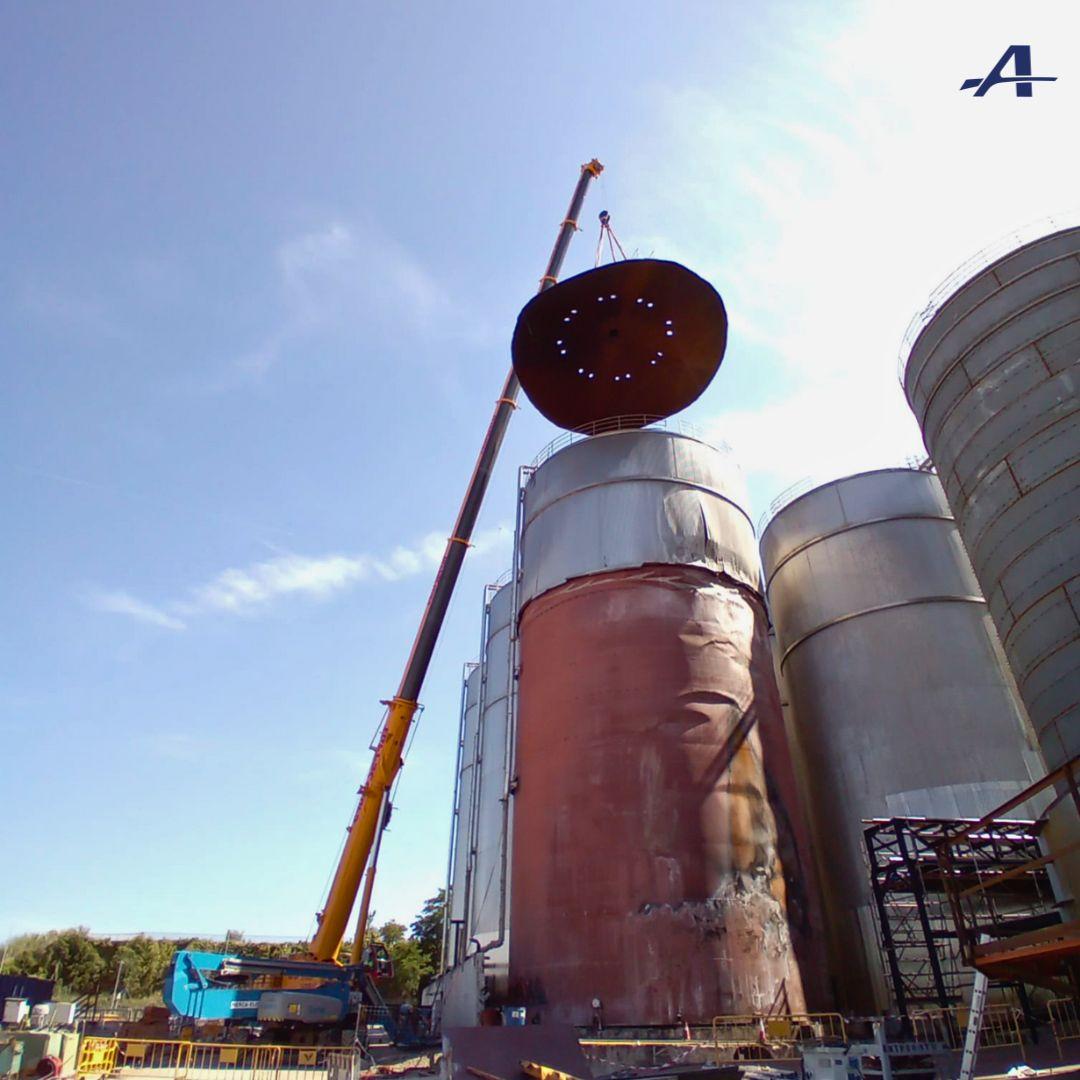
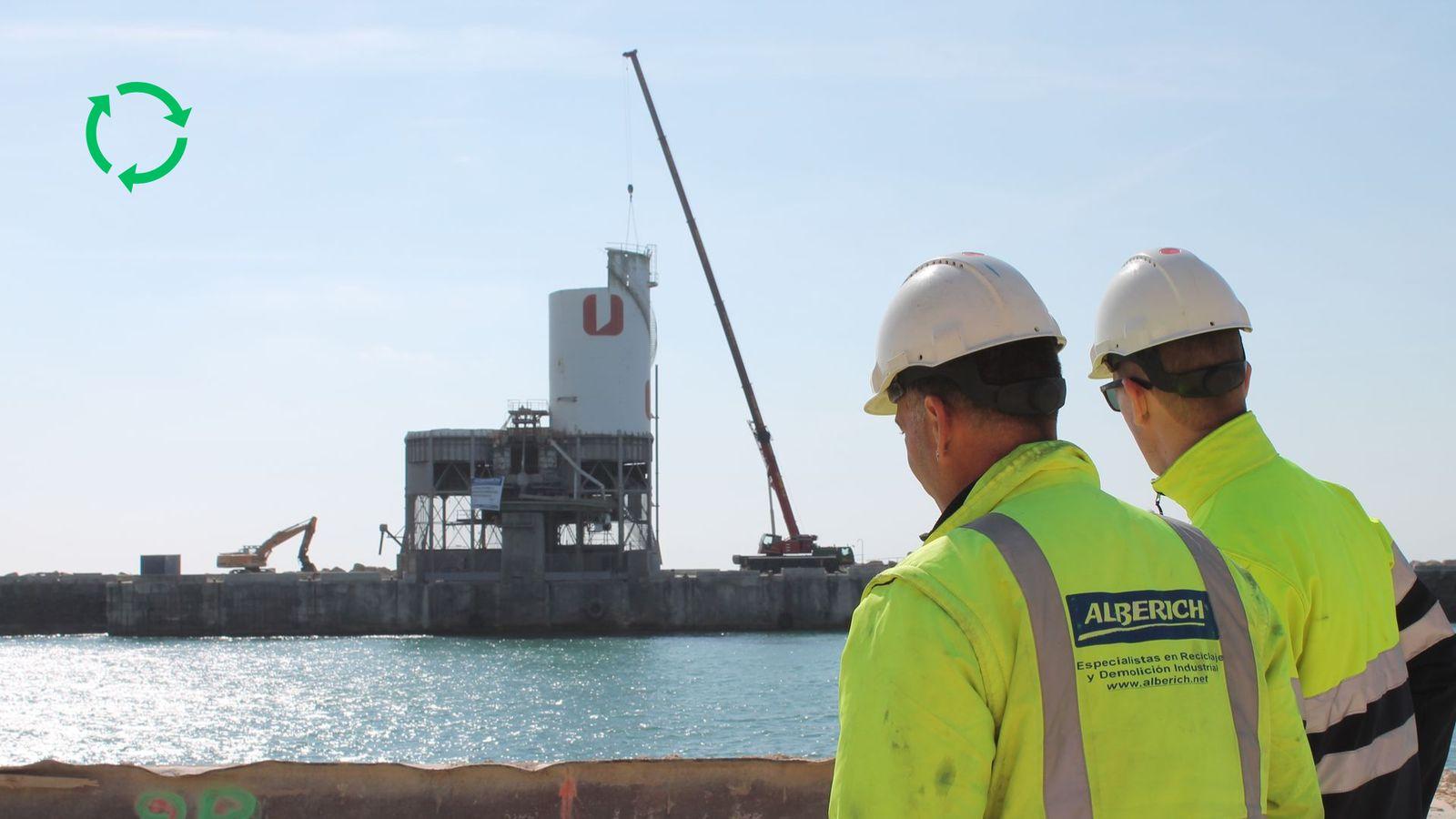
Silo demolition and dismantling: a food plant case study
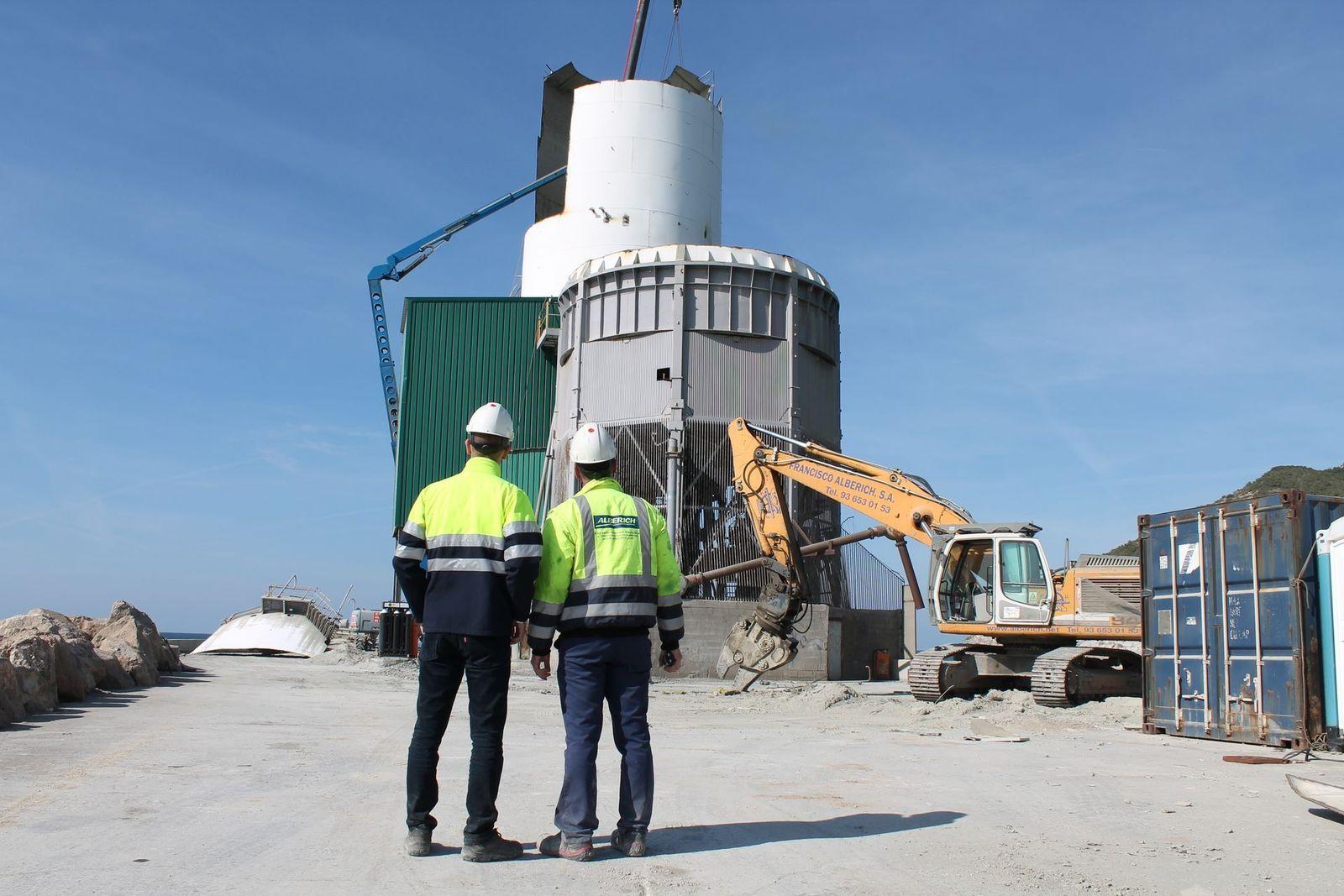
Silo demolition case study: 2 metal silos dismantled at a food plant without stopping production, with dust control and 95% of the material recycled.
Industrial demolition and dismantling: planning, safety, regulations and real projects.
Silo demolition case study: 2 metal silos dismantled at a food plant without stopping production, with dust control and 95% of the material recycled.
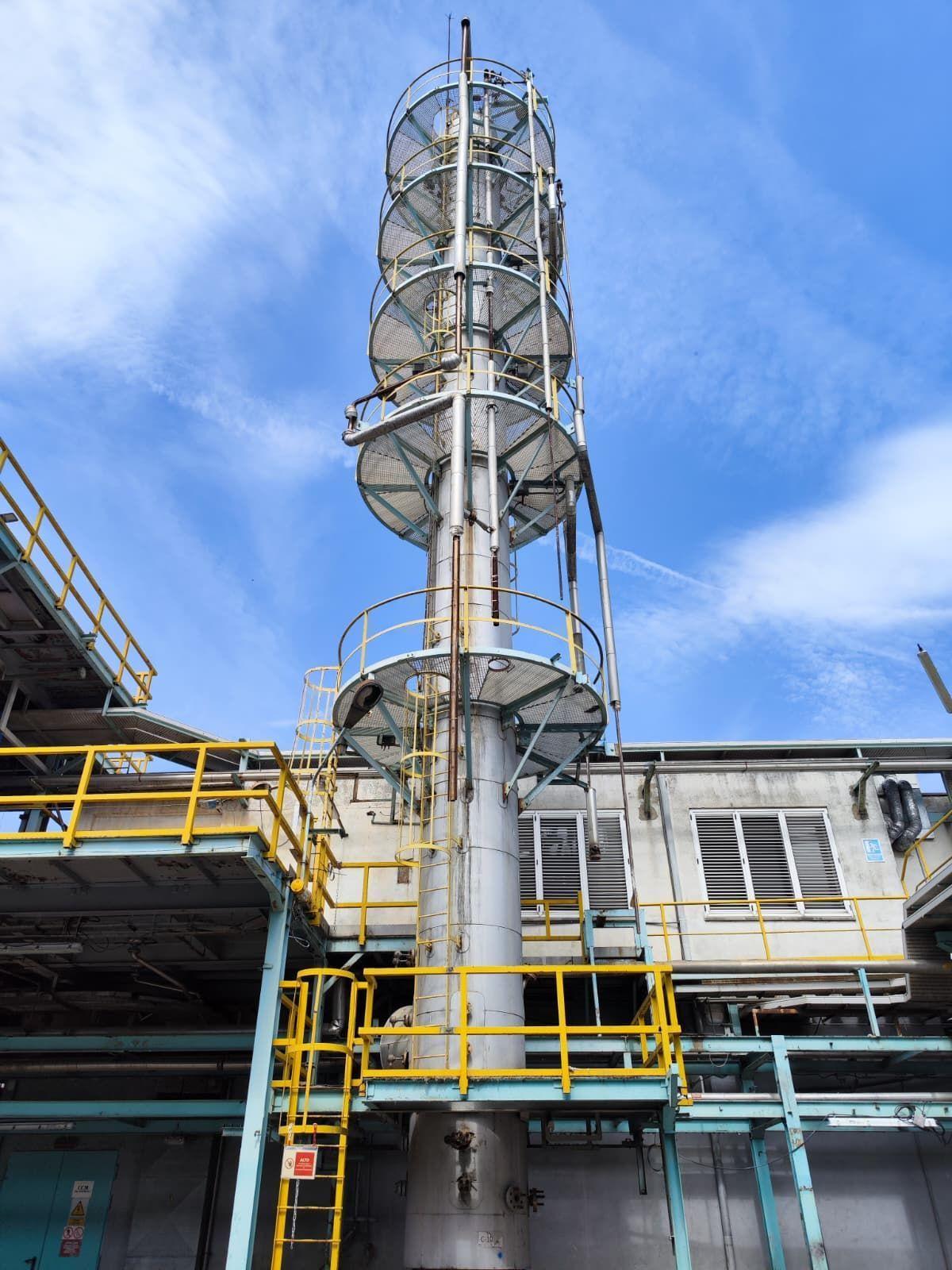
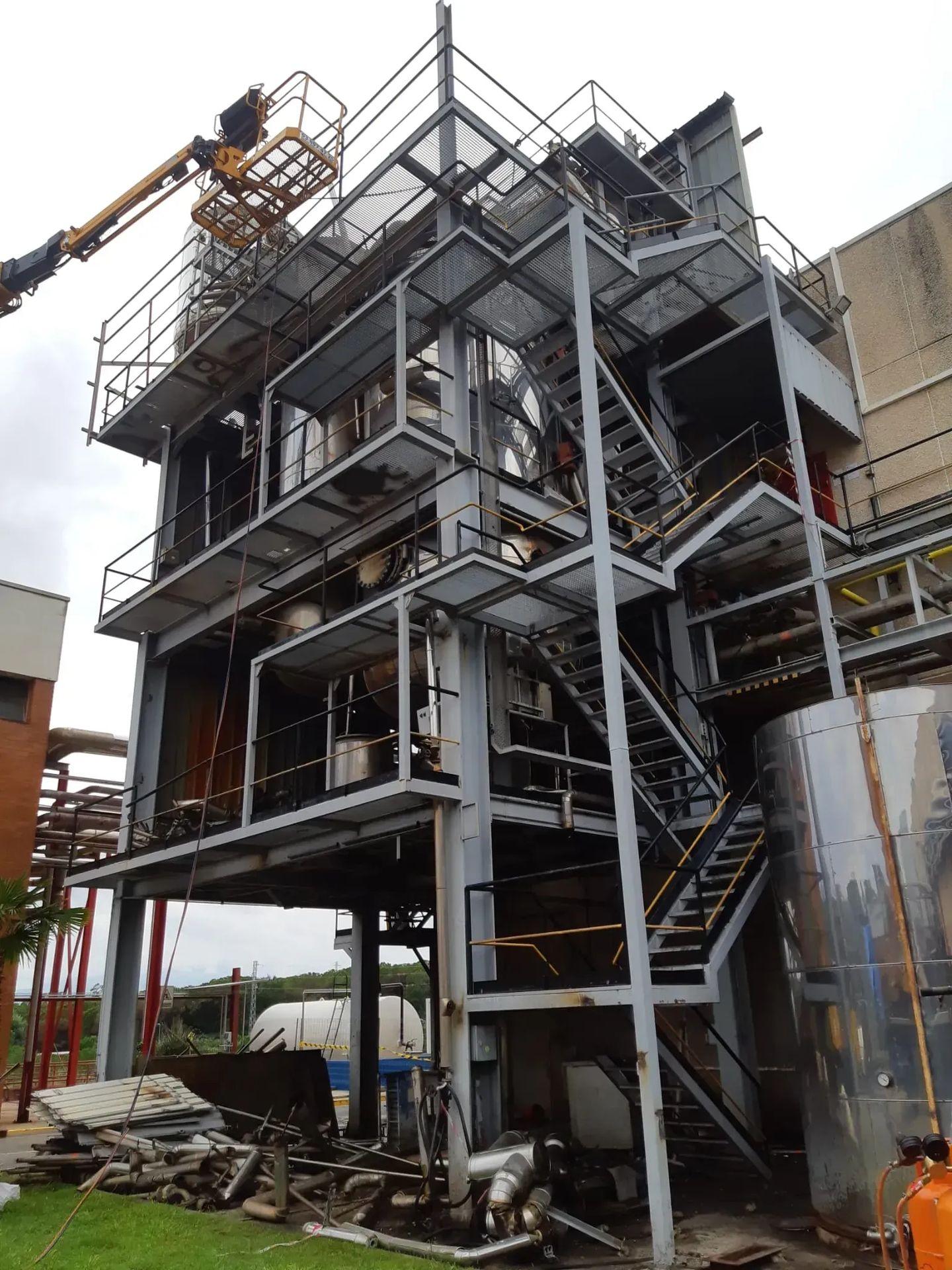
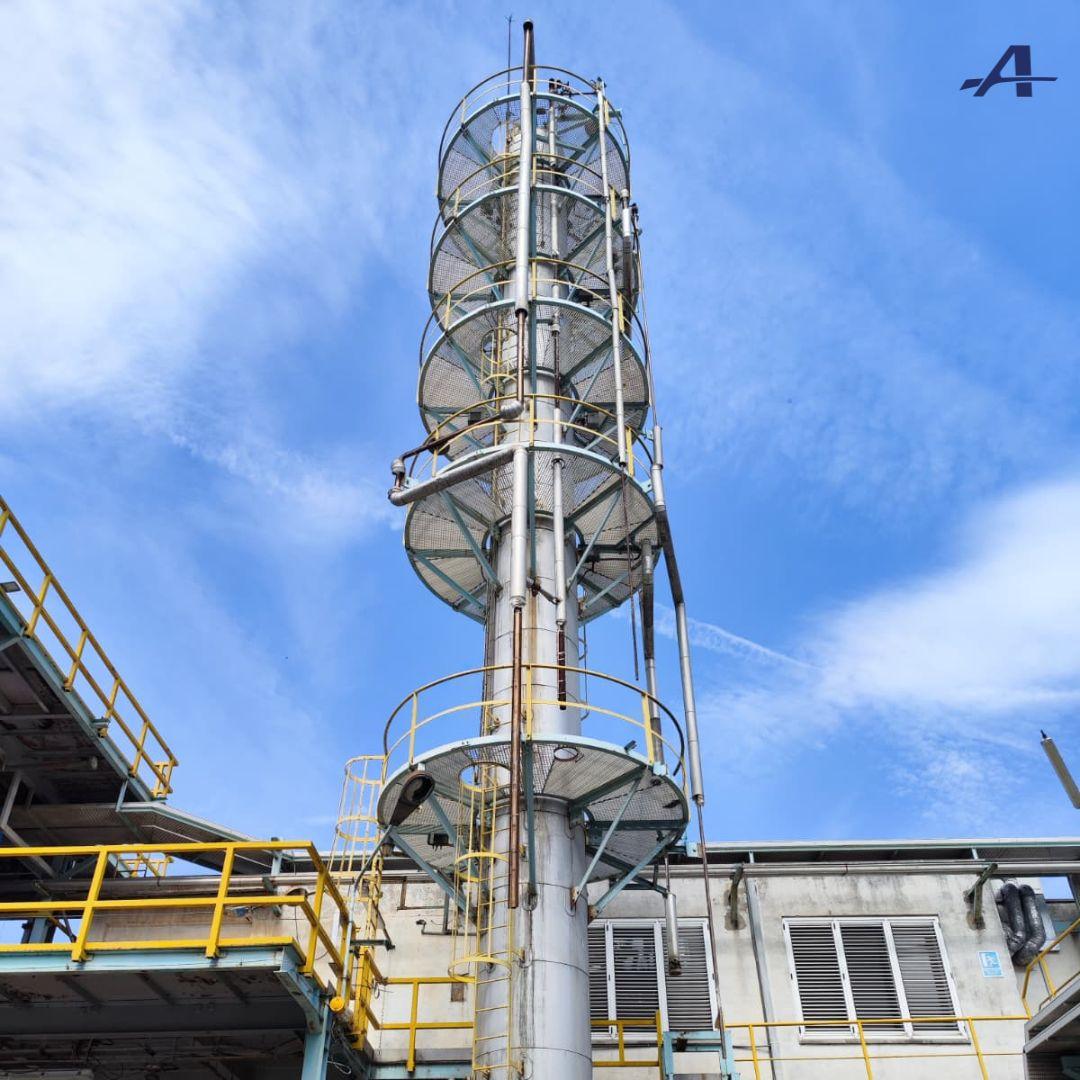
Case study: a 30 m distillation column dismantled in an ATEX zone in 5 days, with prior decontamination, no incidents and all recovered material recycled.
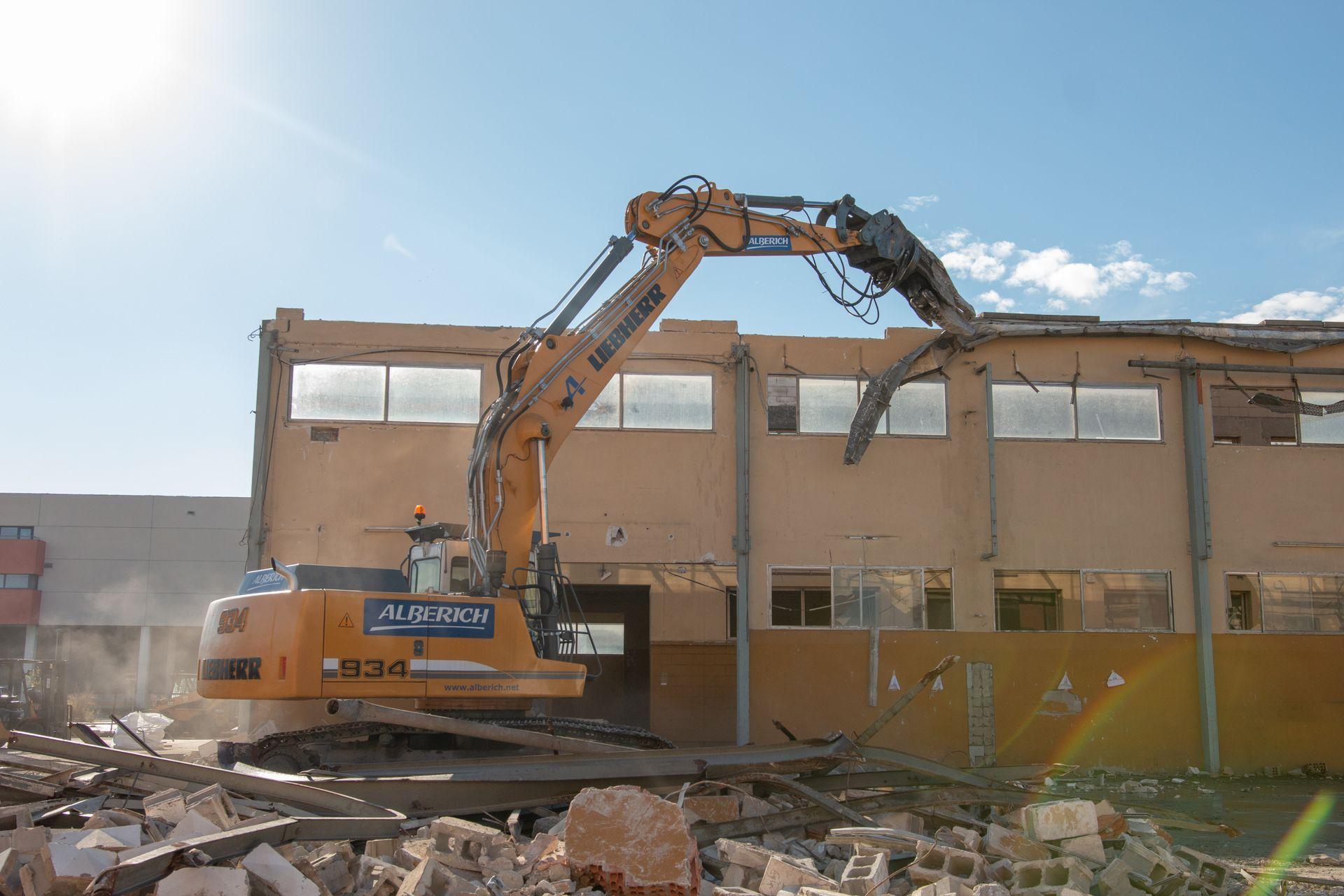
Summary of Magda Gall’s article (Alberich) in the AEDED 2025 Yearbook: decontamination, circular economy and challenges in industrial demolition.
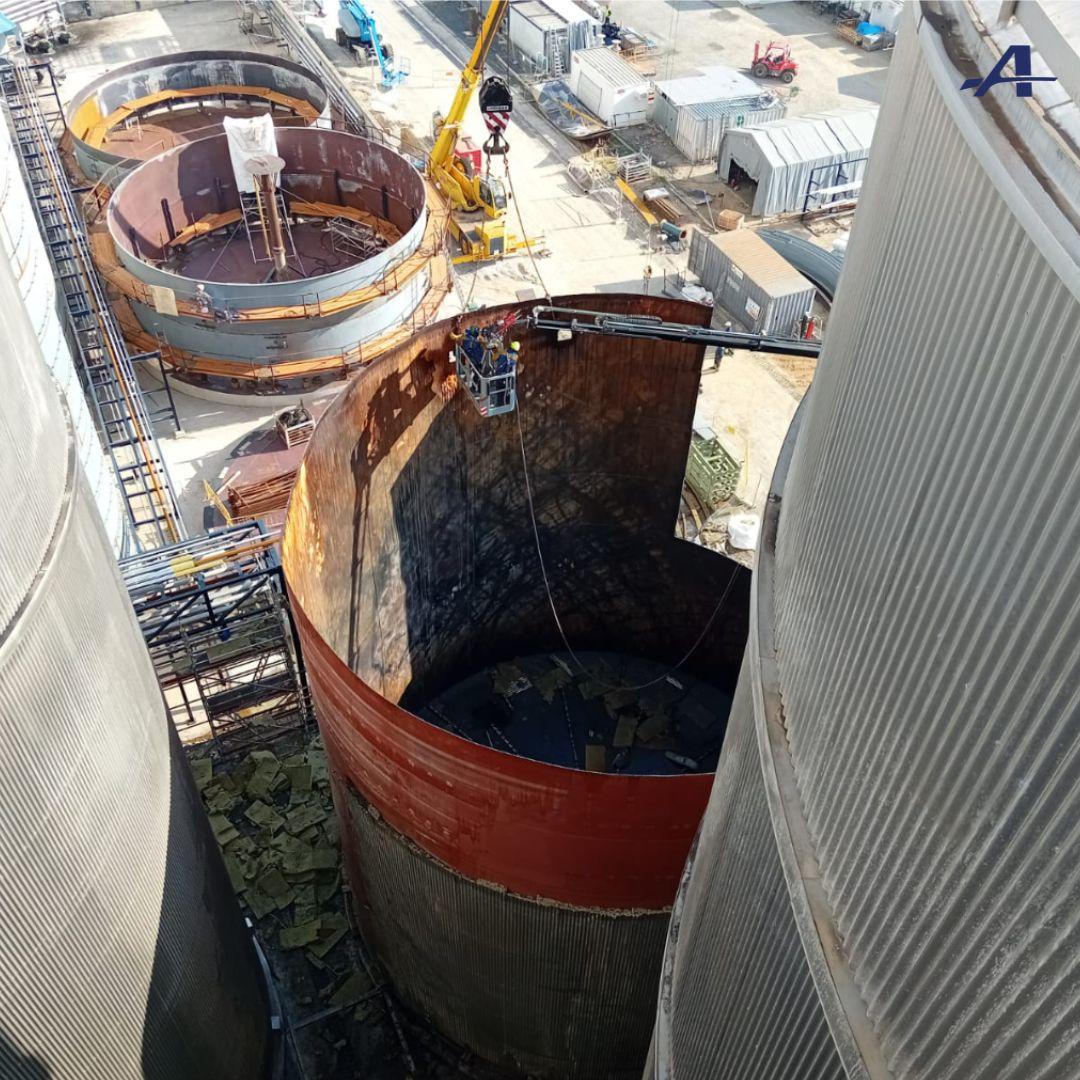
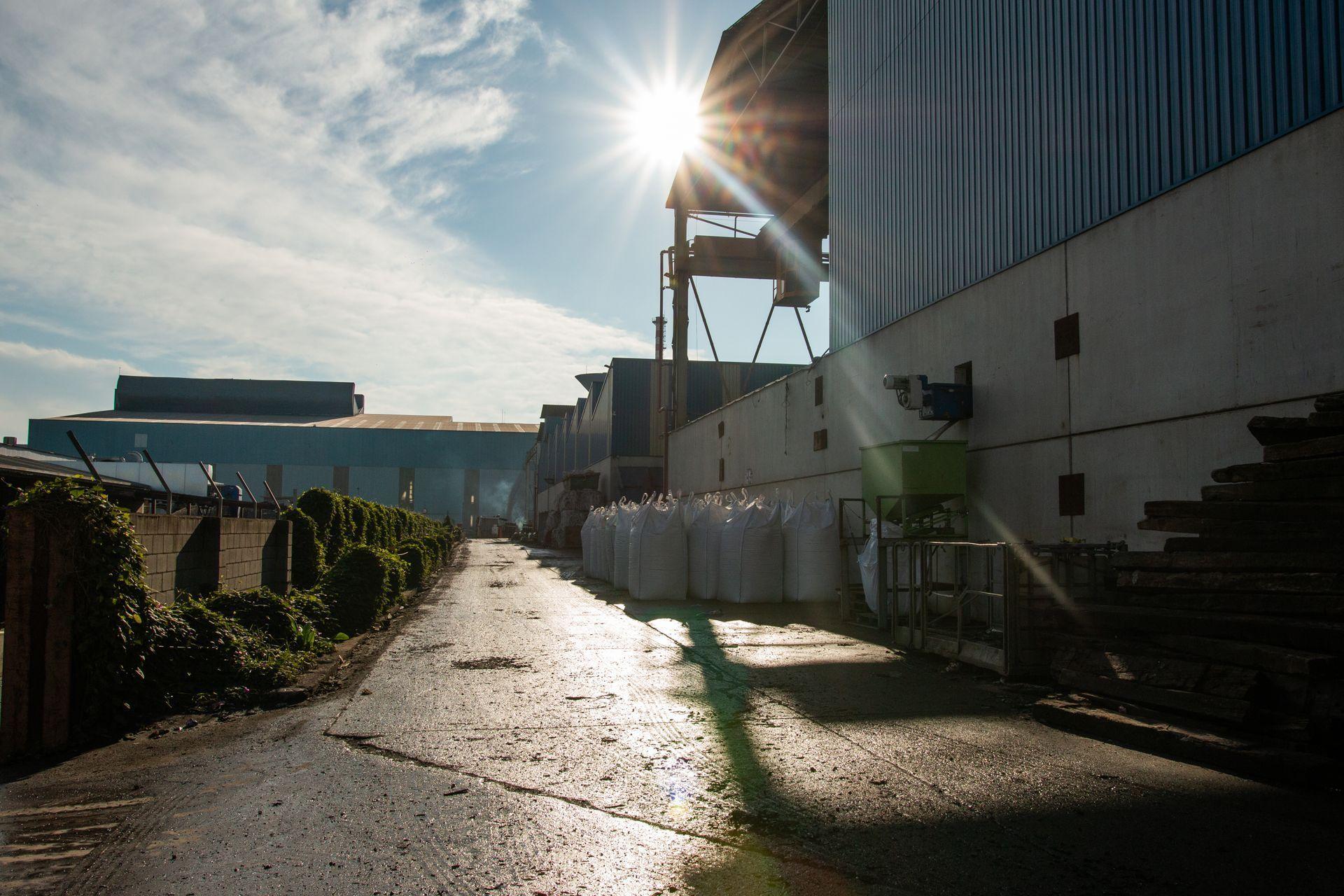
How to demolish part of a factory without shutting it down: isolating the work zone, time windows, separate access and coordination, with real cases.
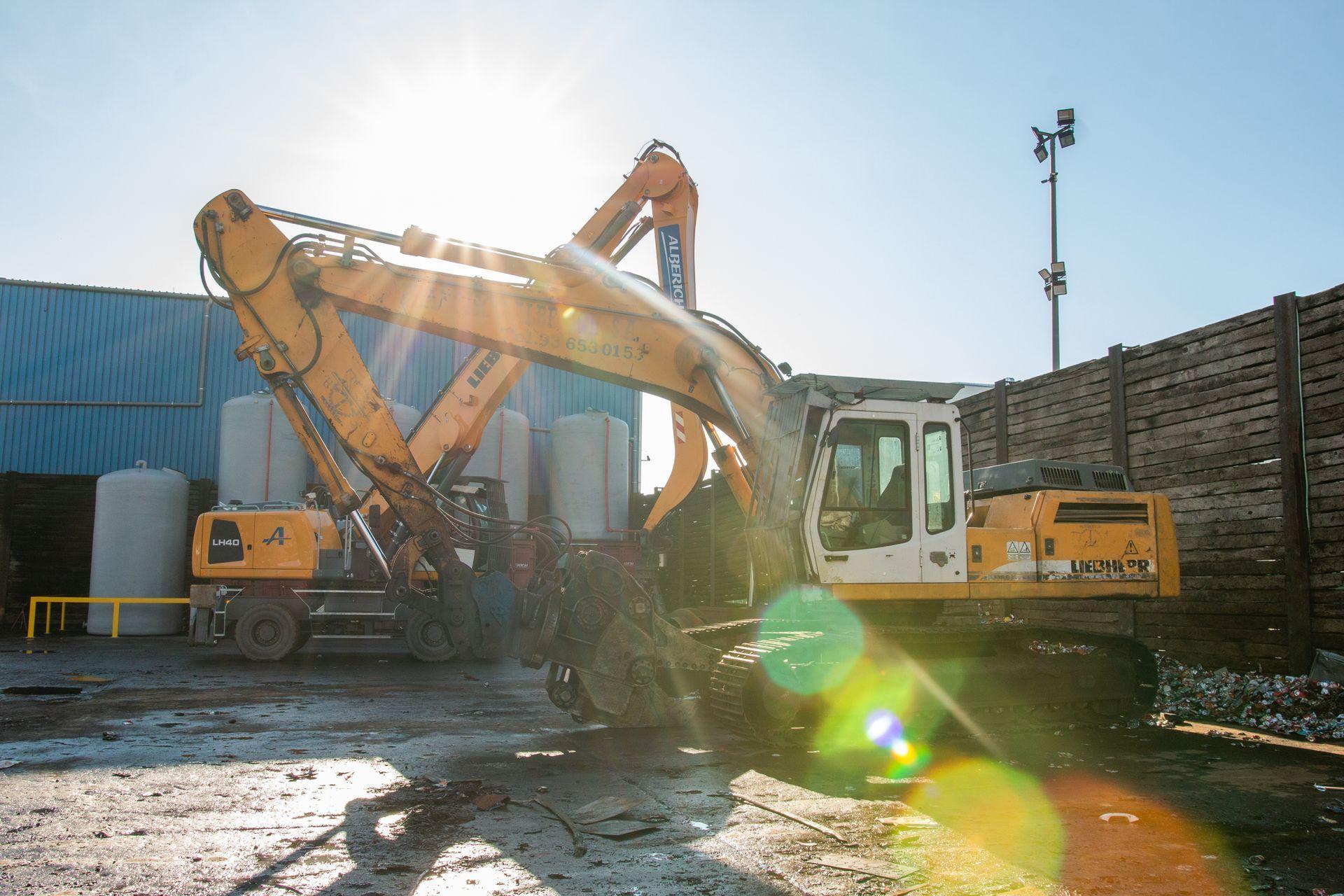
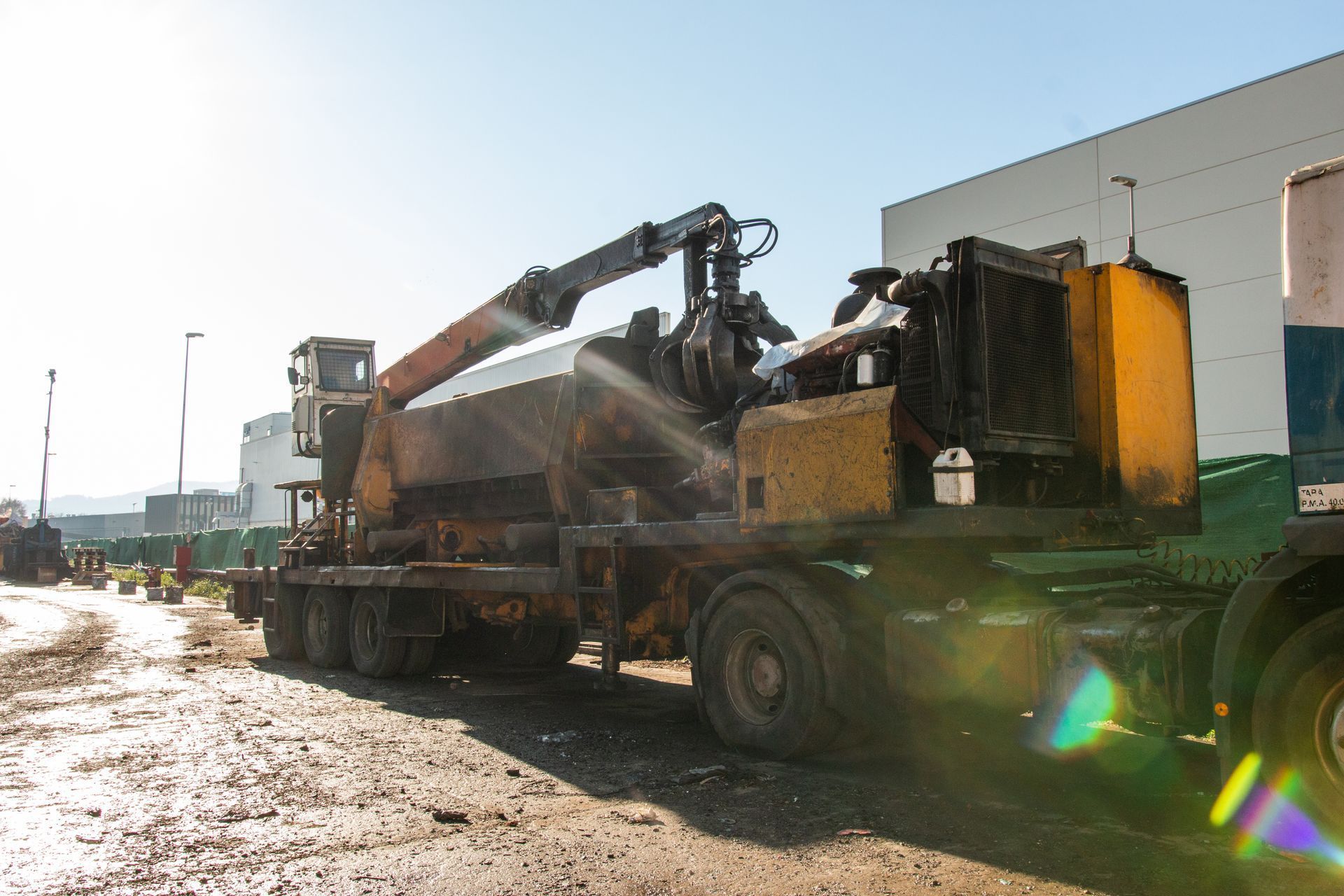
Alberich’s industrial demolition machinery: CAT and Liebherr excavators, shears, breakers, sorting grabs and oxy-fuel cutting. What each is for.
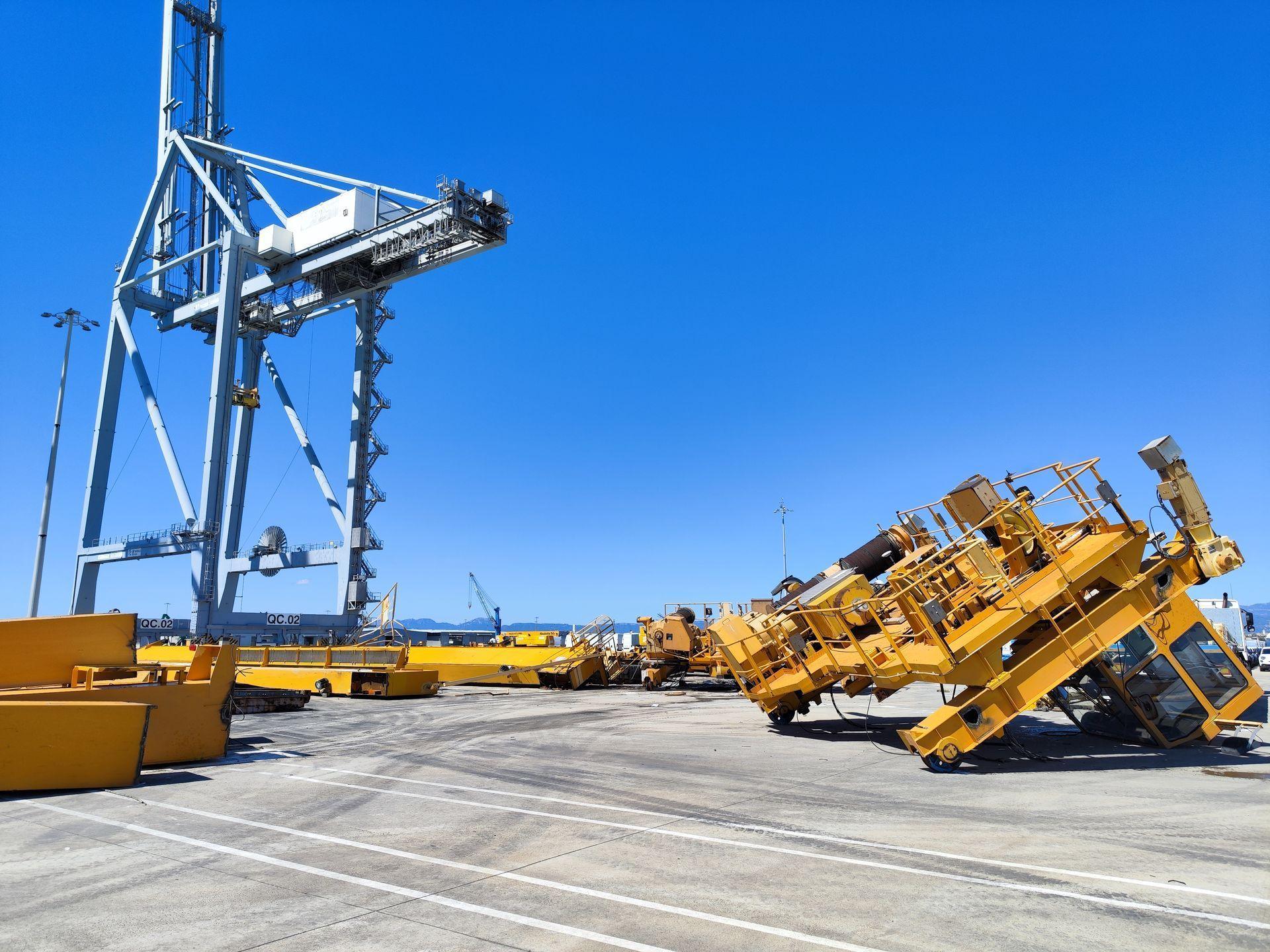
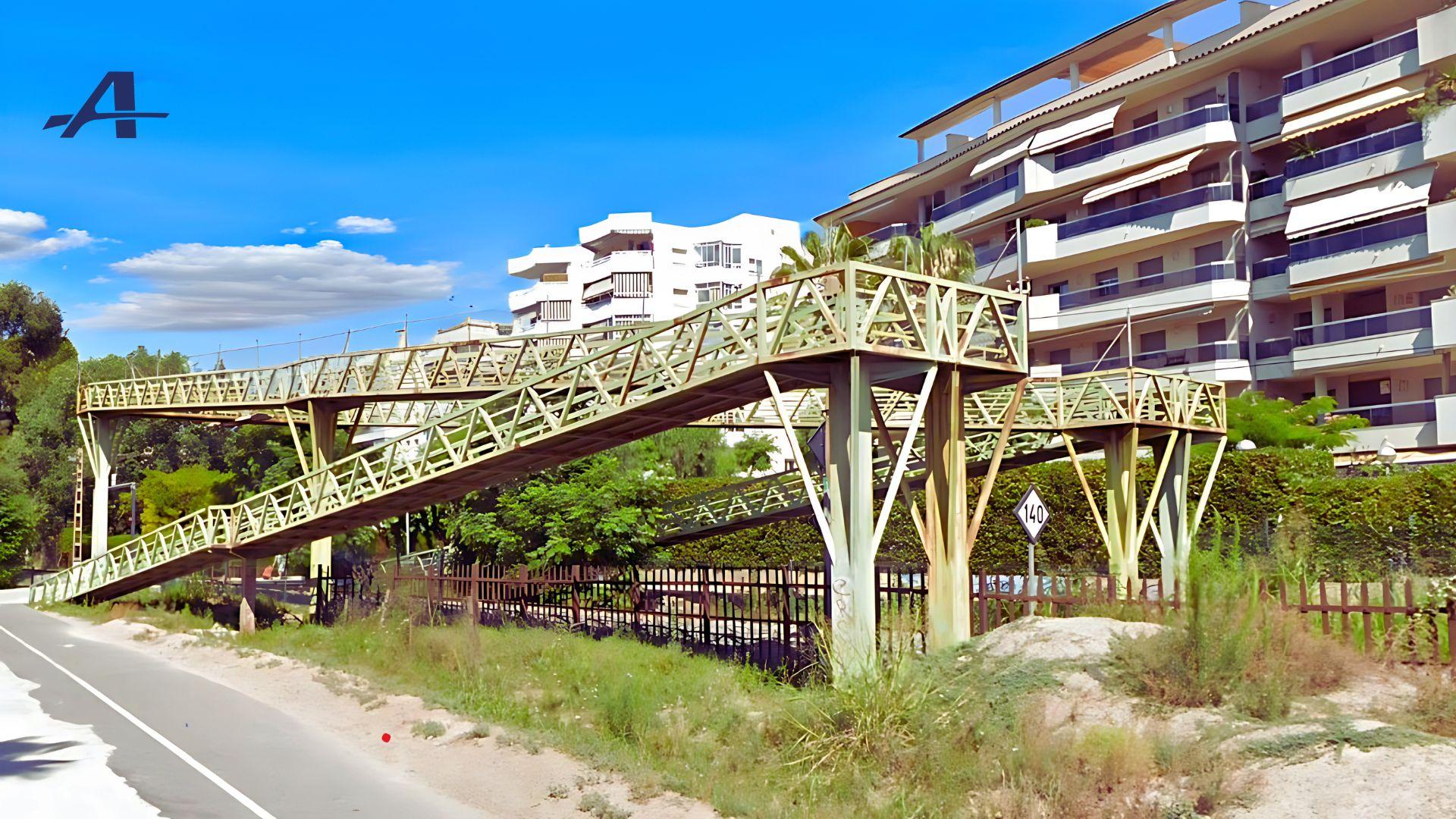
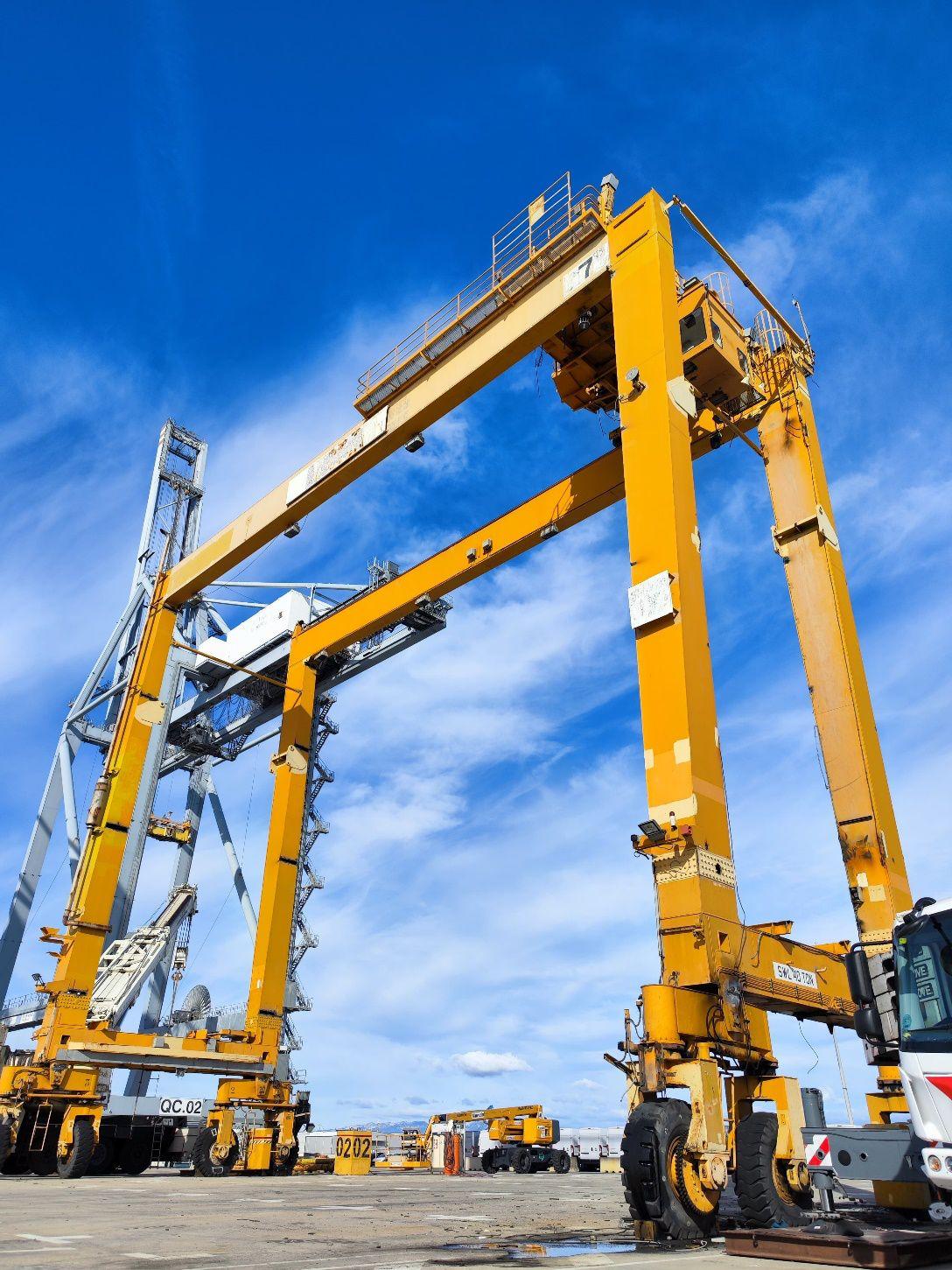
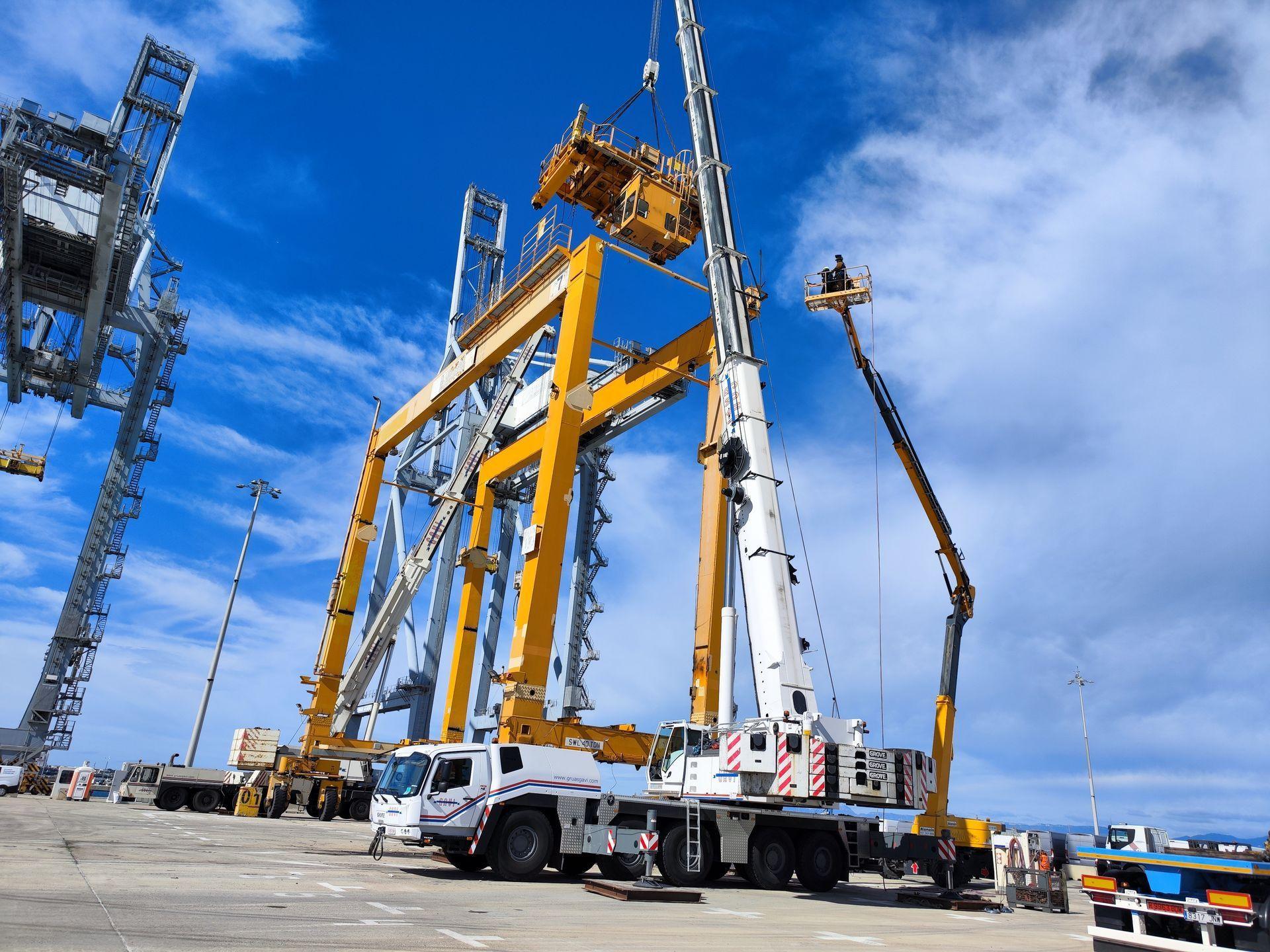
Six industrial demolitions with 95–100% of material recycled: tank, RTG cranes, footbridge, column, food plant and silos. What made it possible.
Health and safety plans for industrial demolition in Spain: who drafts and approves them, coordination, safety supervisors, training, PPE, ISO 45001.
How an industrial demolition contributes to SDGs 12, 9, 8 and 13 with verifiable data: recycling, hazardous waste and safety on site.
Where industrial demolition in Spain is heading: selective demolition and Law 7/2022, digitalisation, circular economy, safety and what they mean.
What the cost of an industrial demolition depends on, where cost overruns come from and how to avoid them: survey, scope and the value of the metal.
In 2024 we launched interactive pages for our demolition projects: key figures, challenges, technical solution and photos. Six are published so far.
What to ask an industrial demolition company in Barcelona for: permits, a prior survey, waste management and a recycling plant close to the site.
Spain’s ‘new selective demolition law’ is Article 30 of Law 7/2022: C&D waste sorting since 2022 and mandatory selective demolition since 2024.
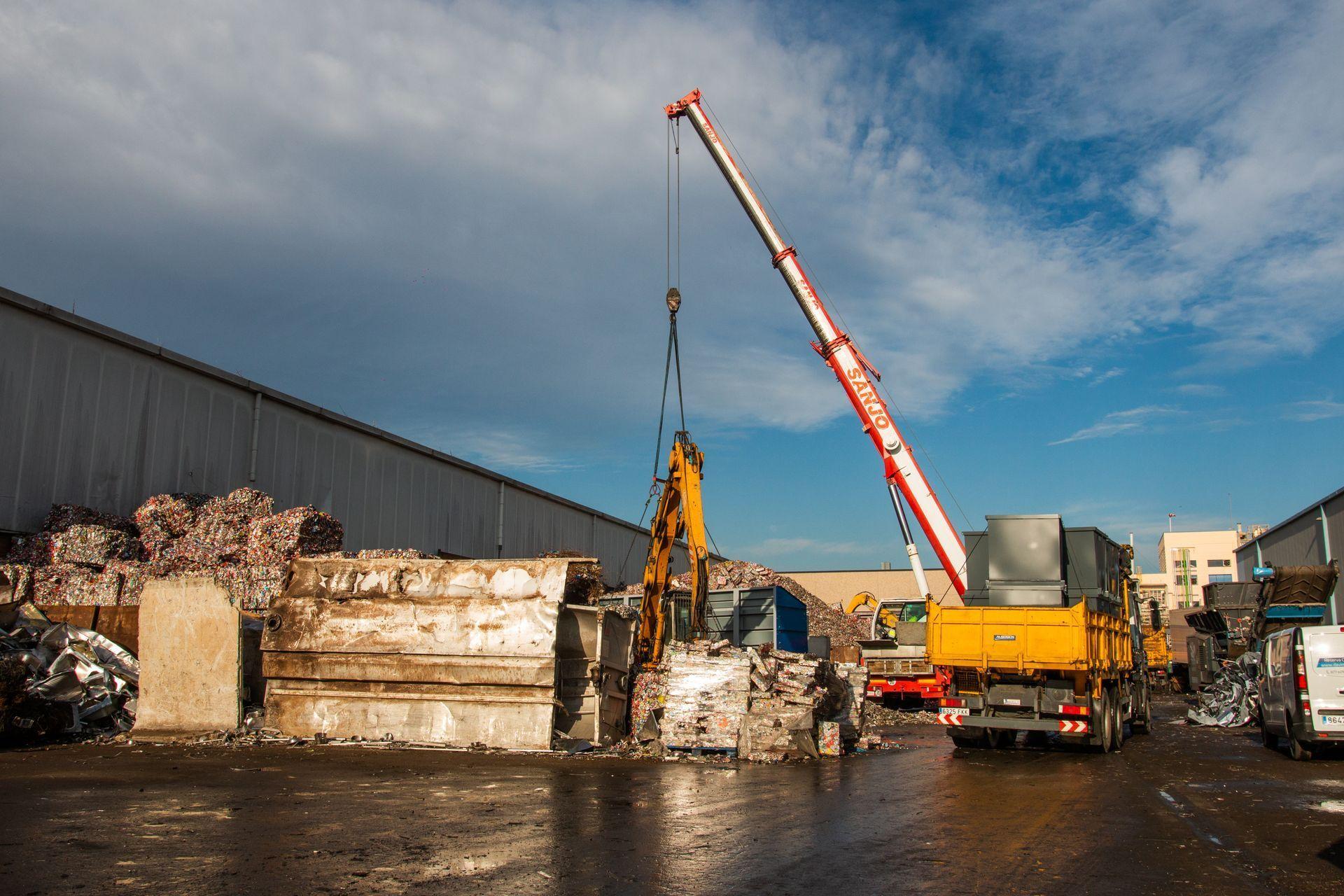
How an industrial demolition returns steel, copper, concrete and equipment to production, with real Alberich projects achieving 95–100% recycling.
The reasons for demolishing an industrial building (end of life, relocation, safety, fire or flood, new use) and how to decide whether to refurbish.
How a safe demolition is planned: preliminary survey, disconnecting services, demolition sequence, dust and noise control, and protecting the surroundings.
Which construction materials are recycled and how, focusing on metals: rebar, steel sections, sheet and cable. What the law says and how to prepare them.
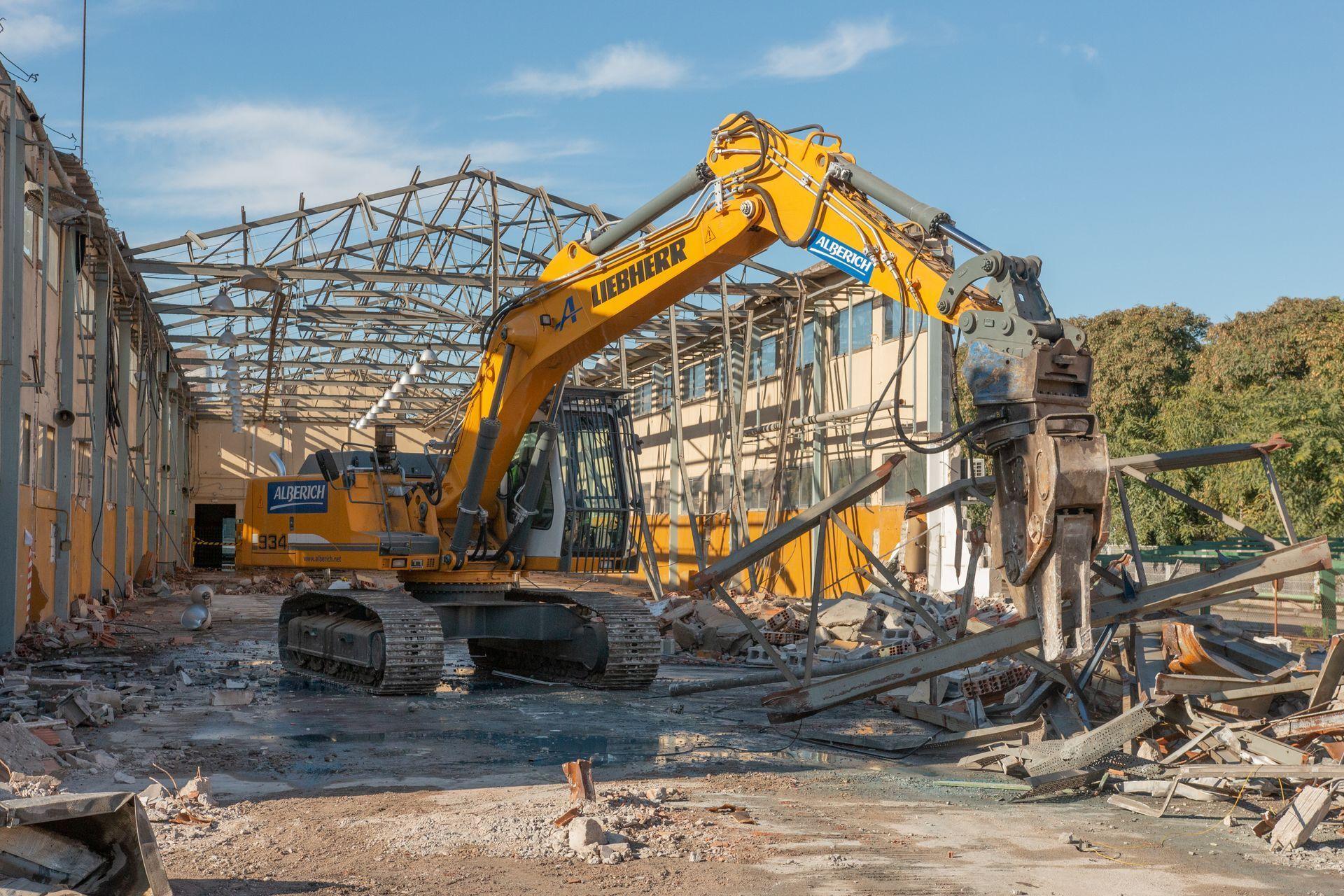
How an industrial building is demolished: prior survey, hazardous materials, installations, roof, structure and slab, and what materials are recovered.
What waste a demolition produces, how it is classified with EWC codes, which of it is hazardous and where each fraction goes when separated at source.
What end-to-end (turnkey) demolition management includes: survey and valuation, licences, execution, waste, recovered materials and certificates.
Suggest a topic or tell us about your case. If you’re looking for an article from our previous website that you can’t find here, get in touch. We reply within 48 working hours.