To stop the cost of an industrial demolition from spiralling, you need to do three things before signing: carry out a preliminary survey of the facility that inventories structures, materials and hazardous waste; agree a written scope stating what the work includes and what it doesn’t; and get a valuation of the recoverable material, because the metal that comes out of the demolition can offset part of the cost. Most cost overruns come from what wasn’t checked at the outset.
You won’t find prices in this guide, because every facility is different. What you will find is what the cost depends on, where overruns come from and how to prepare a quote that holds up.
What does the cost of an industrial demolition depend on?
| Factor | Why it matters |
|---|---|
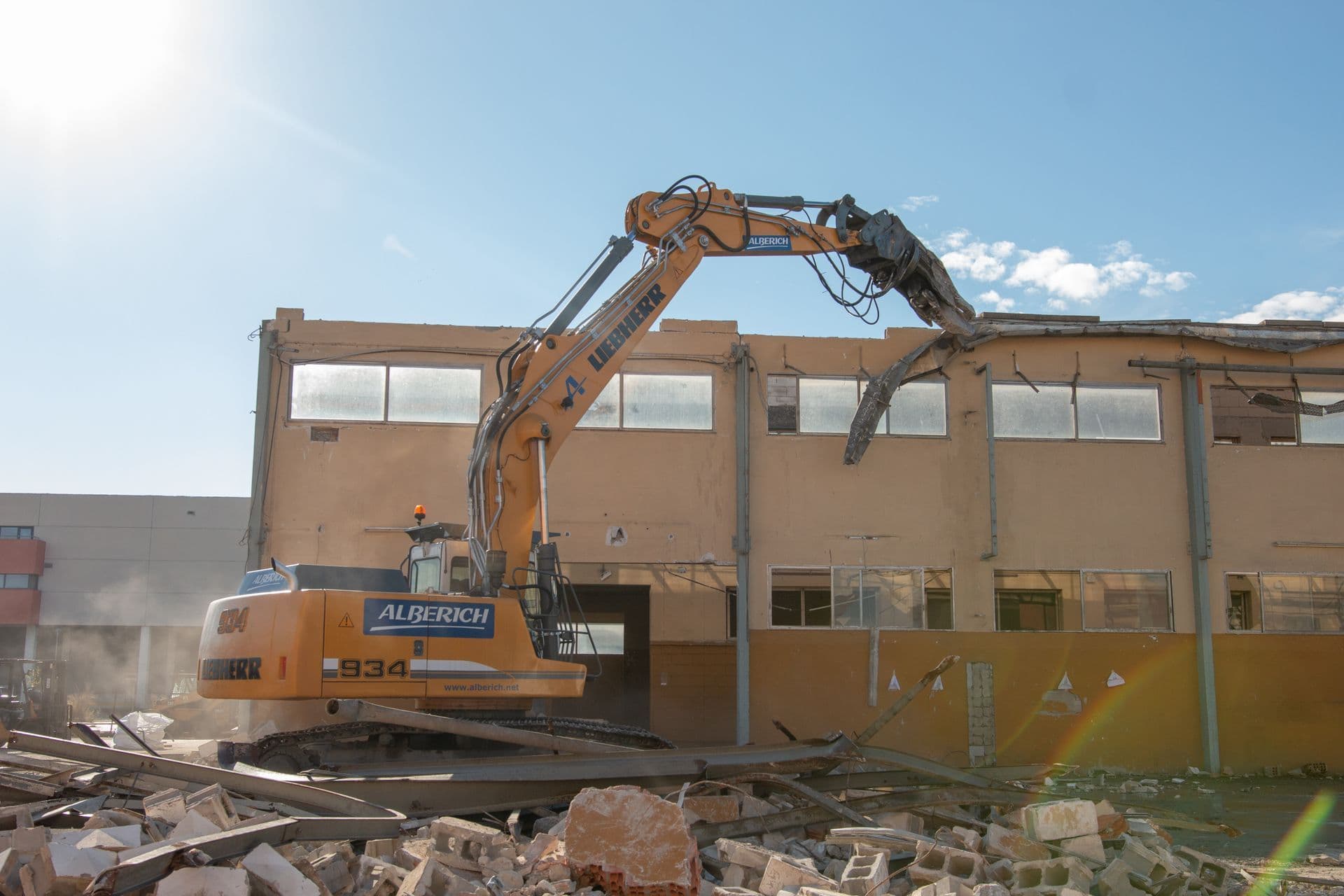
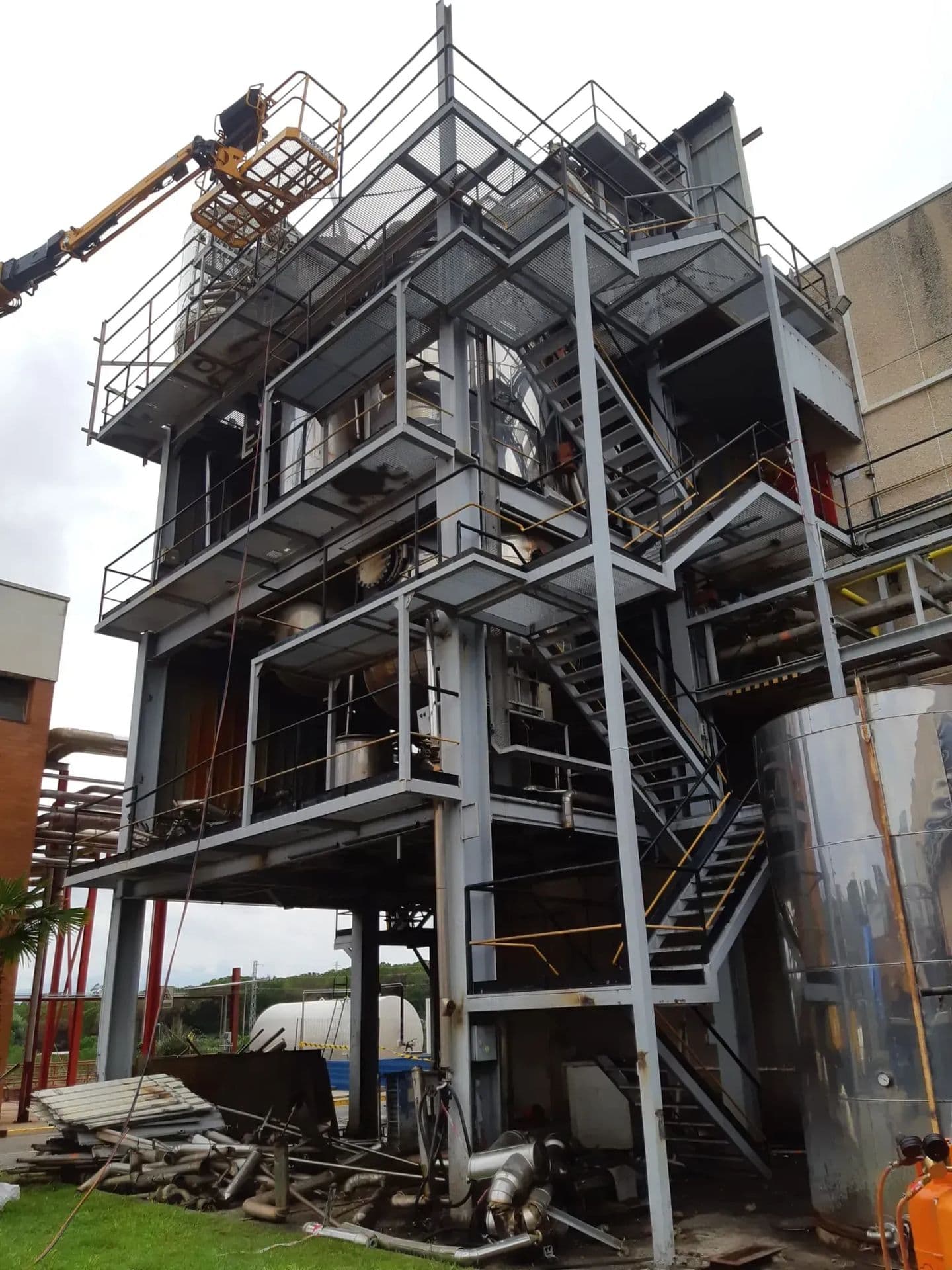
| Type and size of the structure | The height, the material (steel, concrete or mixed) and the method: knocking a structure down doesn’t cost the same as dismantling it in sections with a crane |
| Hazardous waste | Asbestos, product residues, oils or PCBs require specialist removal, with their own timescales and documentation |
| Surroundings and timescale | With the plant running, the work zone has to be isolated, work done in time windows and access kept separate |
| Waste management | How many fractions come out, which waste management company they go to and how far away it is; mixed material, or material sent to landfill, is the most expensive to manage |
| Documentation | Demolition design, health and safety study, waste management plan and licences |
| Recoverable material | Metal that comes out clean and separated has value and reduces the net cost of the work |
Why do cost overruns happen in a demolition?
Waste that turns up once work has started
This is the most common cause. A roof containing asbestos that no one had identified, or a tank with product residues, means stopping work in that area, finding the right treatment and rescheduling. Asbestos, moreover, can only be removed by a company on the RERA (Spain’s Register of Companies with Asbestos Risk), with its own work plan, and that takes time.
An unclear scope
‘Demolish the building’ can mean very different things. Does it include ground slabs and foundations? Removing the machinery? Final cleaning? Managing all the waste? Whatever isn’t written down usually ends up as extra work.
Mixed materials
If materials aren’t separated on site, everything leaves as mixed waste, which is more expensive to manage and loses the value of the metal. Spain’s Law 7/2022 on waste and contaminated soils already requires non-hazardous construction and demolition waste to be sorted into fractions, preferably on site, and since 2023 there has been a national landfill tax.
A schedule that clashes with production
When working windows aren’t agreed at the start, the result is extra shifts, idle machinery and rescheduling. We explain how a site is organised with the plant running in industrial demolition without stopping production.
Permits applied for late
The licence and the technical documentation take time. If they are requested when the work should already be starting, the team is left waiting or the schedule gets squeezed.
How do you prepare a reliable demolition quote?
- Site survey with measurements. Metal analysers and thickness gauges show how much steel, stainless steel or non-ferrous metal there is and how best to cut it.
- Hazardous waste inventory. Before quoting, not during the work. If there is any doubt about a material, it is analysed.
- Method and scope in writing. Phases, machinery, working windows, timescale, and what is and isn’t included.
- Waste management plan. Expected fractions, the destination of each and the documentation you will receive.
- Valuation of recoverable material. Itemised, so you can see what part of the cost the metal offsets.
How much can recovered metal offset?
It depends on five factors, which is why no figure can be given without seeing the facility:
- Type of metal: copper, aluminium and stainless steel are worth more than ordinary steel.
- Market: non-ferrous metals follow the London Metal Exchange (LME) price, which changes daily.
- Cleanliness and separation: clean, sorted metal is worth more than metal mixed with other materials.
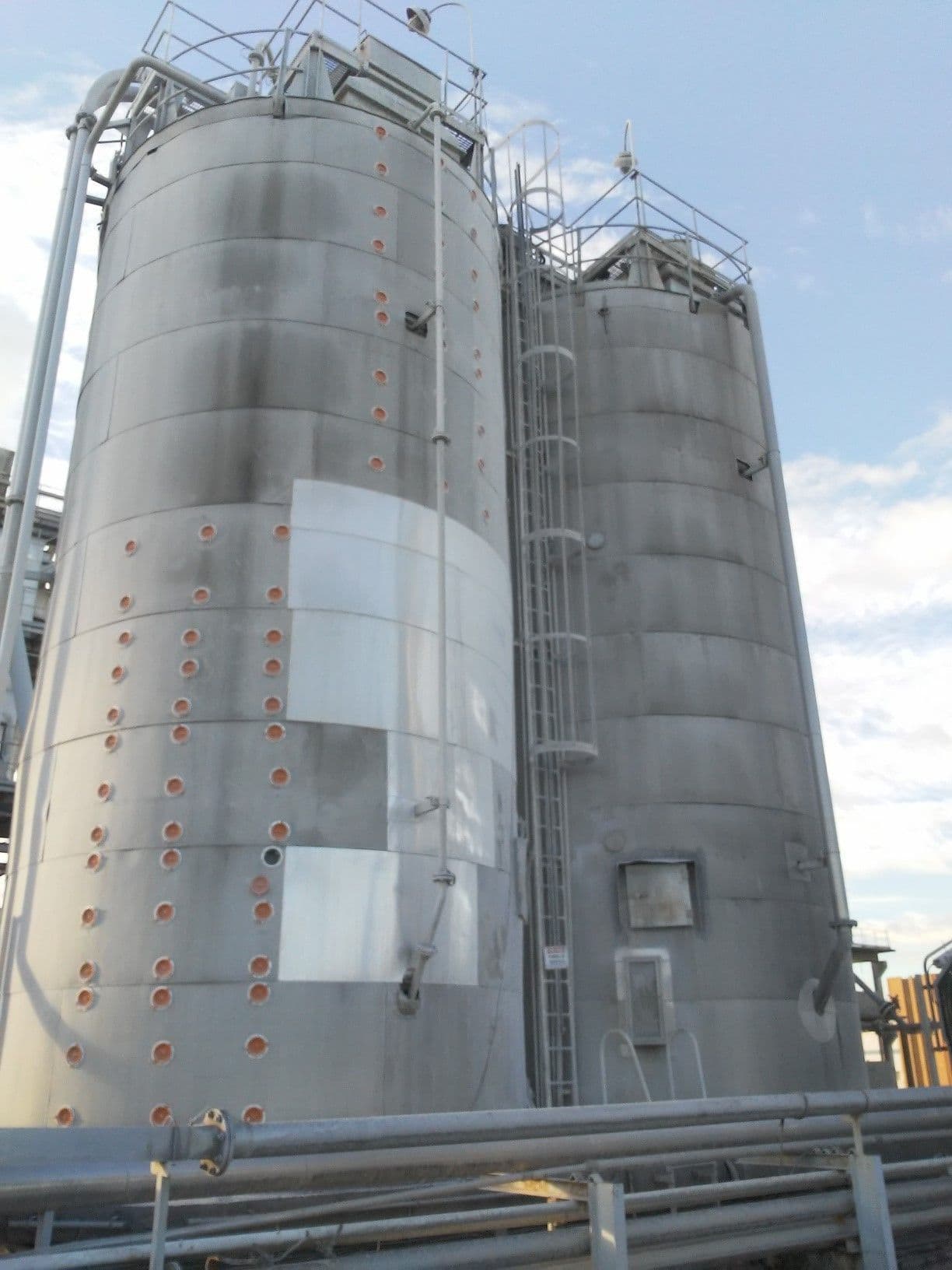
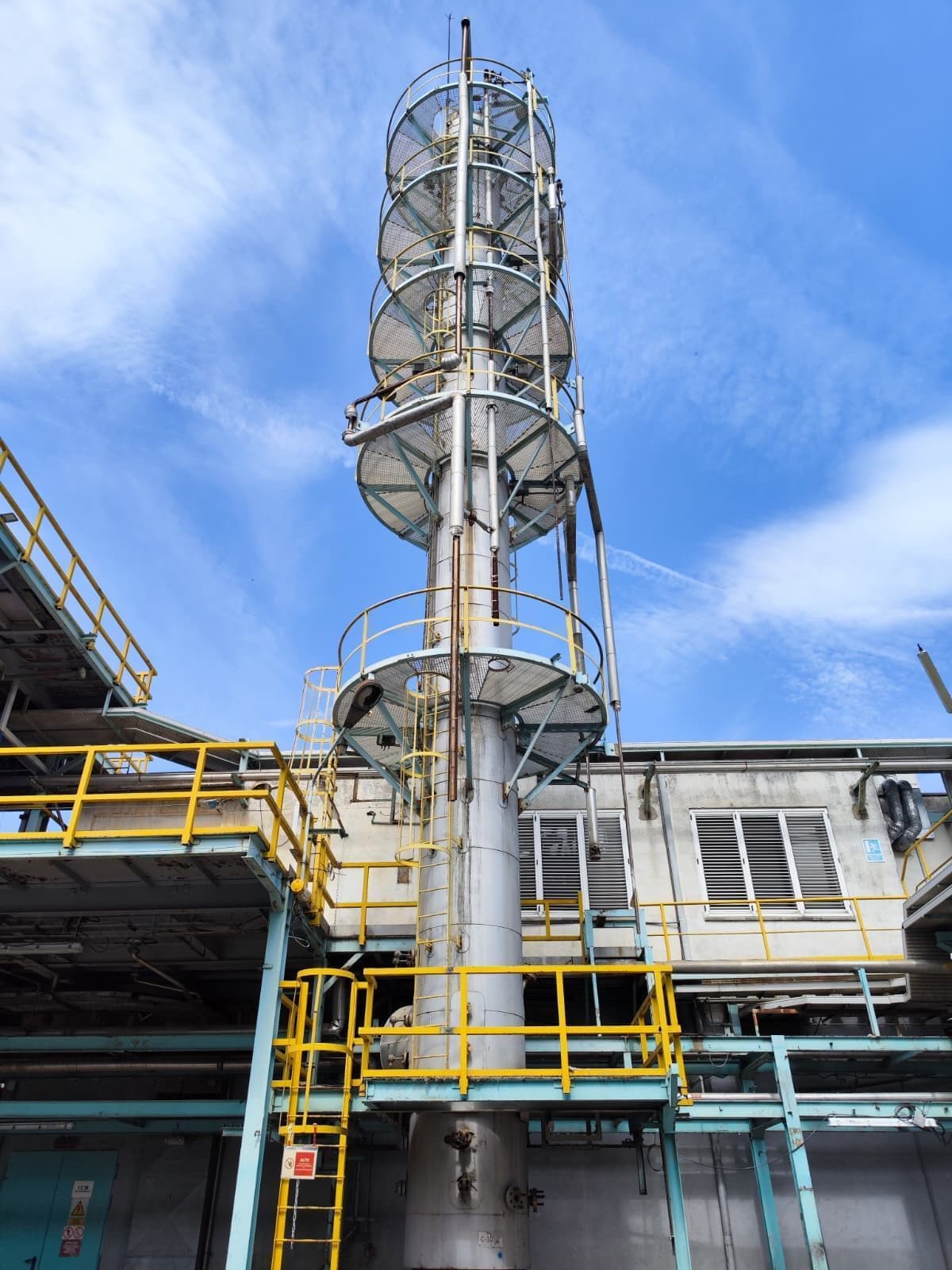
- Quantity: large, metal-heavy installations, such as storage tanks, cranes or steel-framed buildings, are where the metal offsets the most.
- Logistics: distance and the mode of transport also count.
In facilities with a lot of metal, its value can offset a significant part of the cost. You can see which materials we buy on our what we buy page and the recycling results of our projects in our industrial demolition case studies.
What does a fixed-price quote mean?
It means the agreed price doesn’t change during the work. To be able to offer one, the preliminary survey has to be thorough; that’s why we measure before quoting. At Alberich, if our estimate turns out to be wrong for any reason, we cover the difference.
When comparing quotes, check that they all include the same things: documentation and licences, management of all waste, transport, final cleaning and valuation of the material.
How does Alberich do it?
We carry out the technical survey at the facility, prepare the documentation (demolition design, health and safety study, waste management plan and licences) and do the work with our own machinery and team. The metal is recovered at our Castellbisbal plant and, as an authorised waste management company (authorisation no. E-345.97), we issue the waste management certificates. You’ll find the full service on our industrial demolition page.
Frequently asked questions
Can a demolition end up free if there is a lot of metal?
That can’t be guaranteed without studying the facility. On jobs with a lot of metal, its value can offset a significant part of the cost, but that depends on the type of material, its condition and the market at the time.
What happens if unexpected asbestos turns up?
Work stops in that area, and a company on the RERA prepares its work plan and removes the asbestos. It affects the schedule, which is why it’s worth including it in the inventory before quoting.
Is waste management included in the quote?
In our end-to-end service, yes: we manage and certify the waste as an authorised waste management company. Hazardous waste goes to an authorised final treatment facility, which is named in the documentation.
How long does it take to get a quote?
We reply within 48 working hours to arrange the site survey. The fixed-price quote follows that visit, once we know what has to be removed.