Latest article
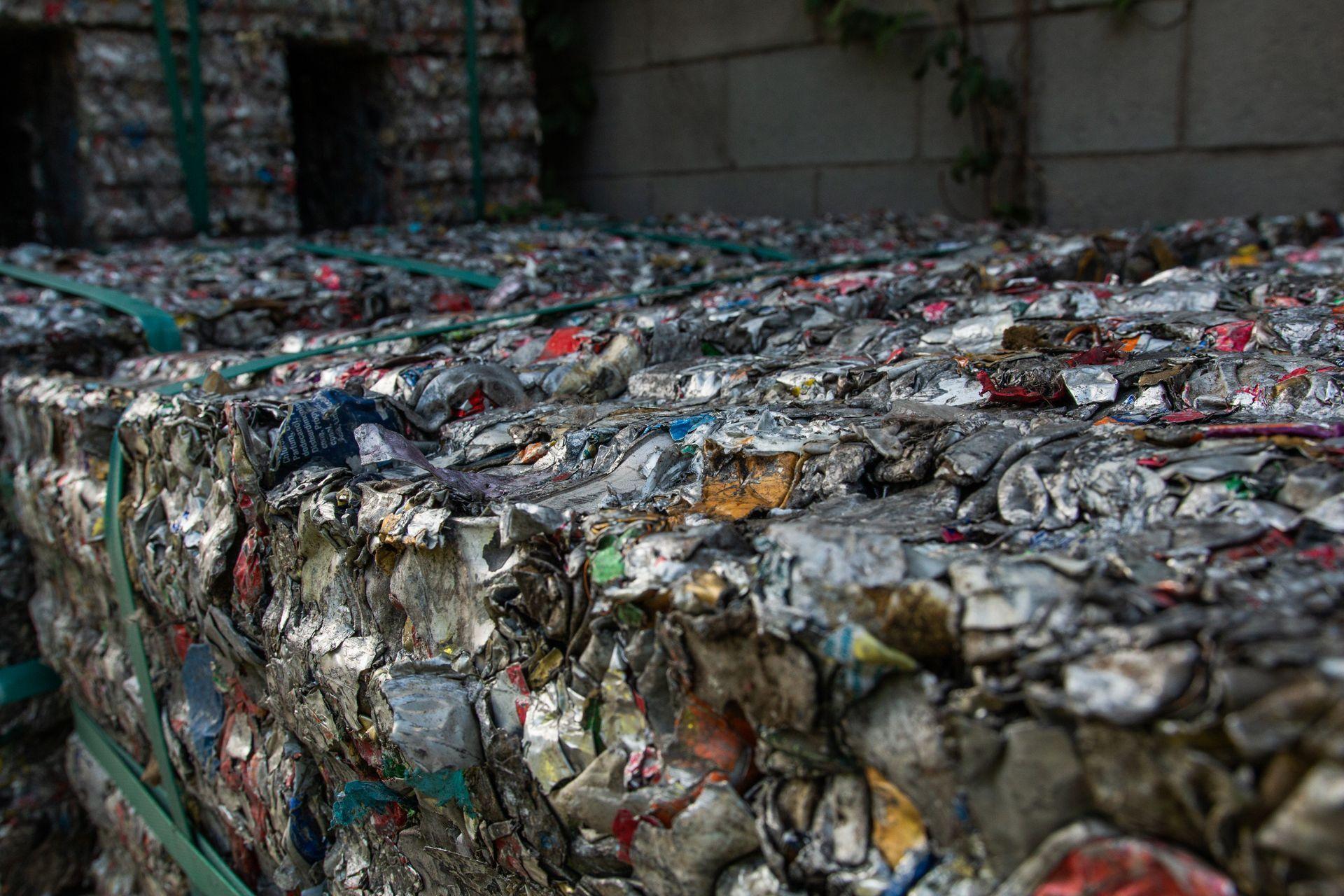
Aluminium can recycling: how a UBC line works
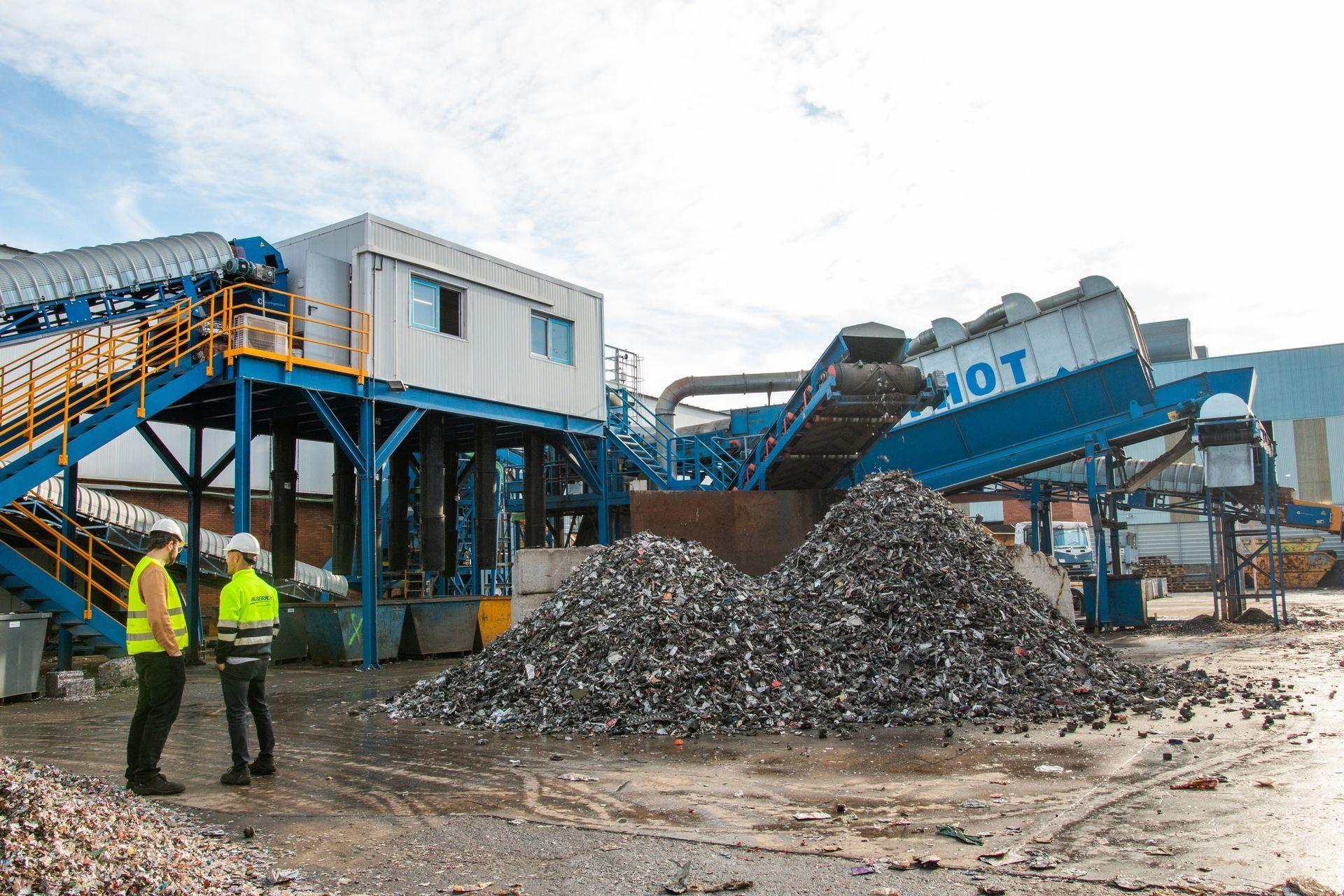
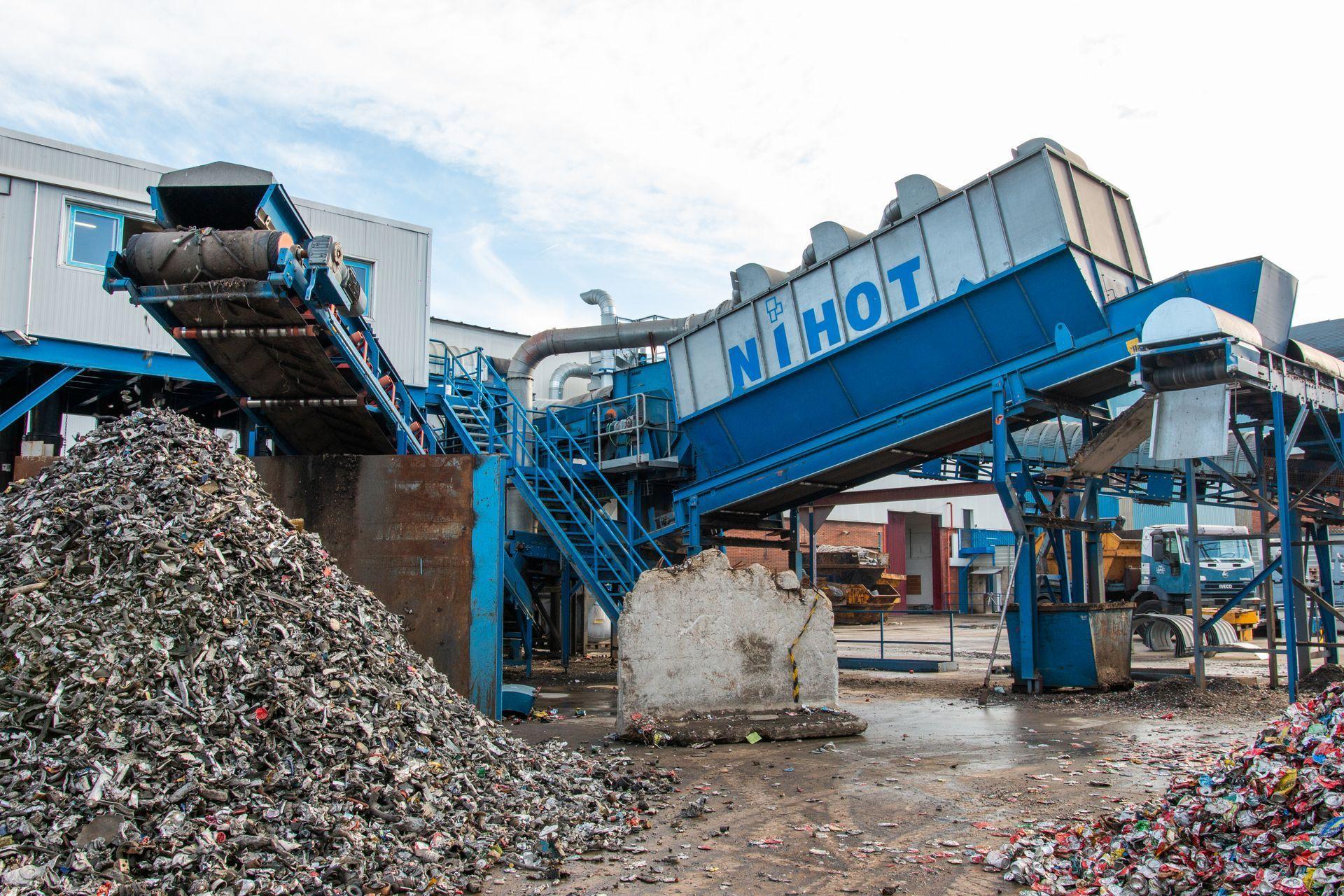
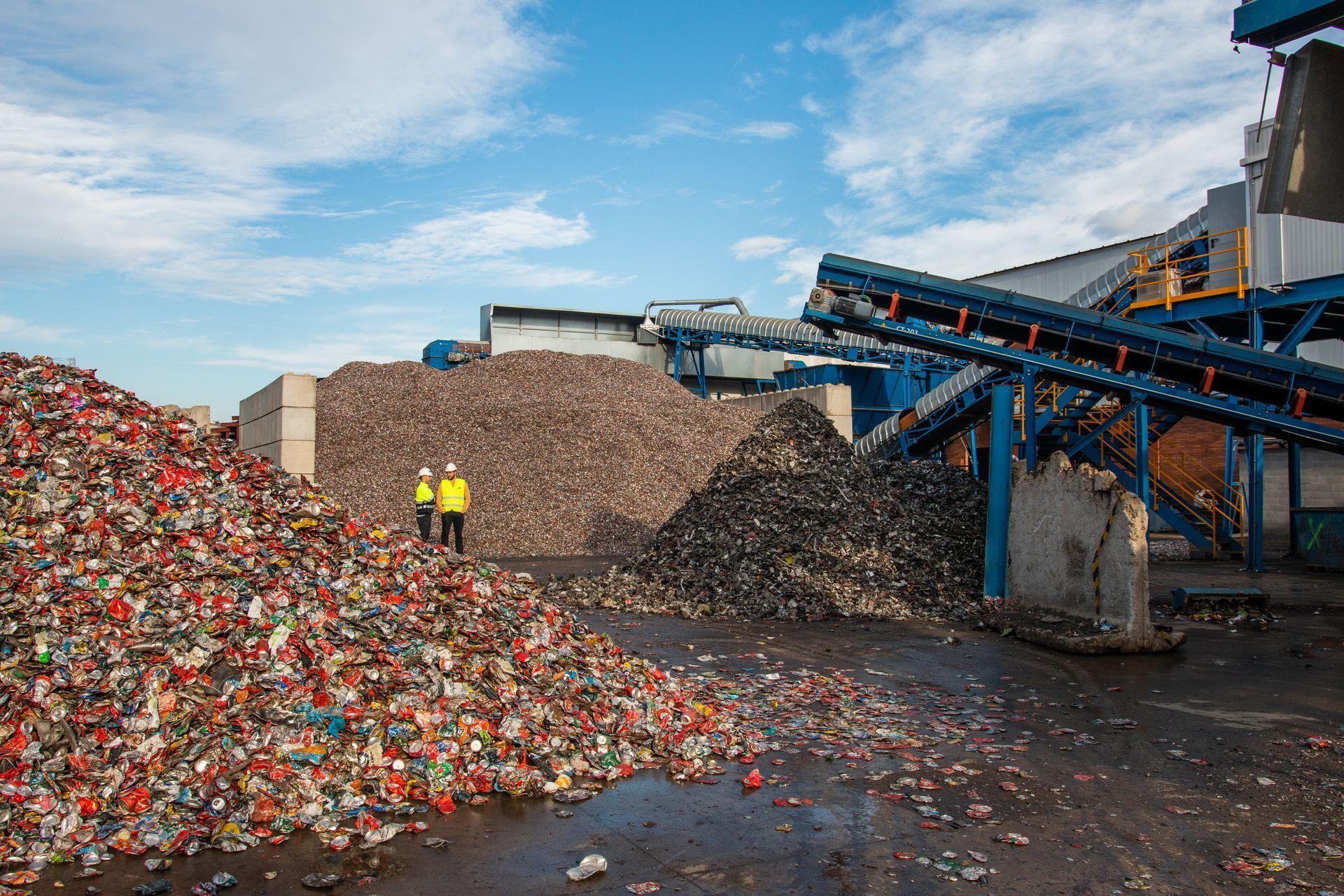
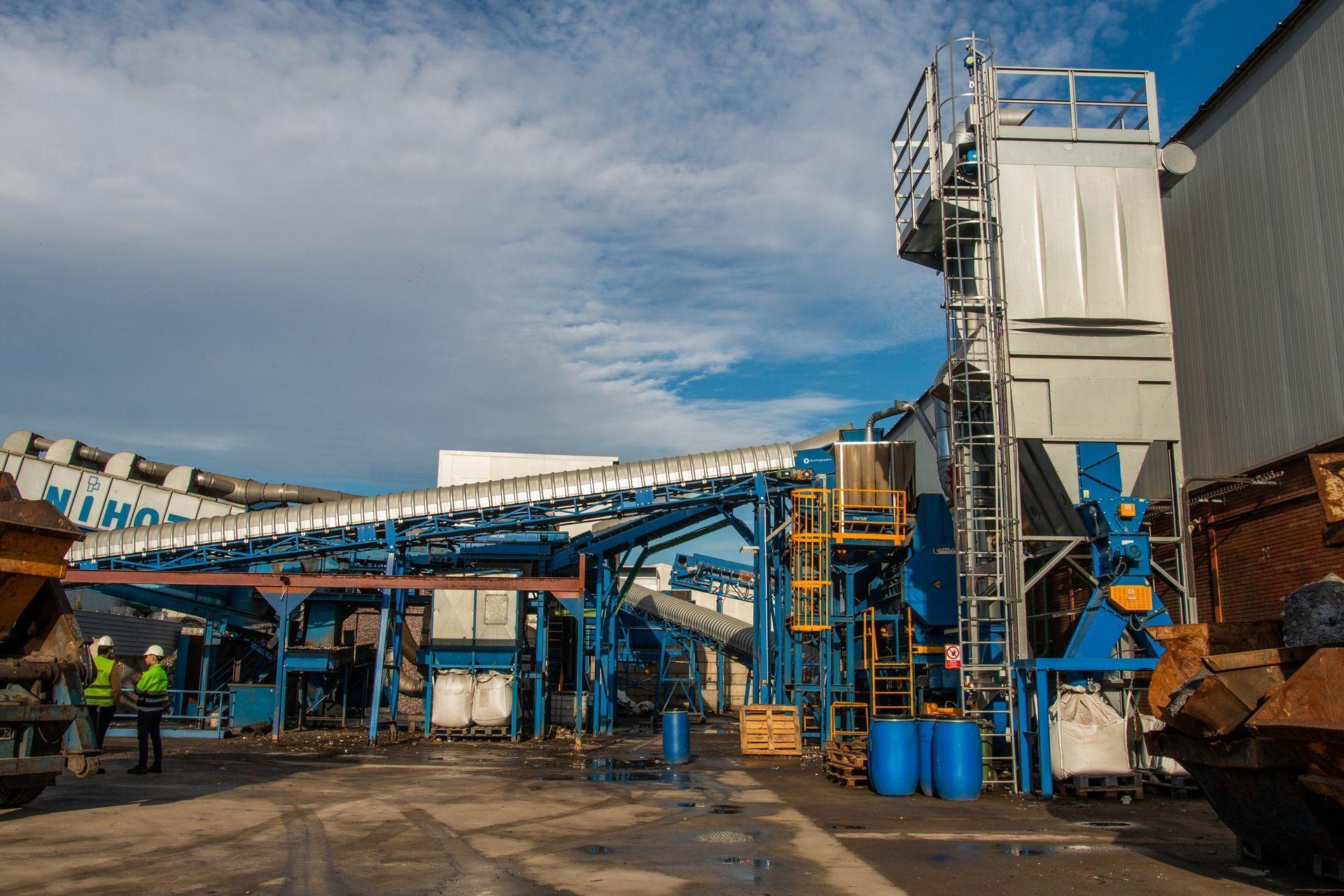
How aluminium can recycling works on a UBC line: sorting by cleanliness, magnet, eddy current separation, then baled or shredded to suit the customer.
Ferrous, non-ferrous and alloys: how they are identified, how they are recycled and what their value depends on.
How aluminium can recycling works on a UBC line: sorting by cleanliness, magnet, eddy current separation, then baled or shredded to suit the customer.
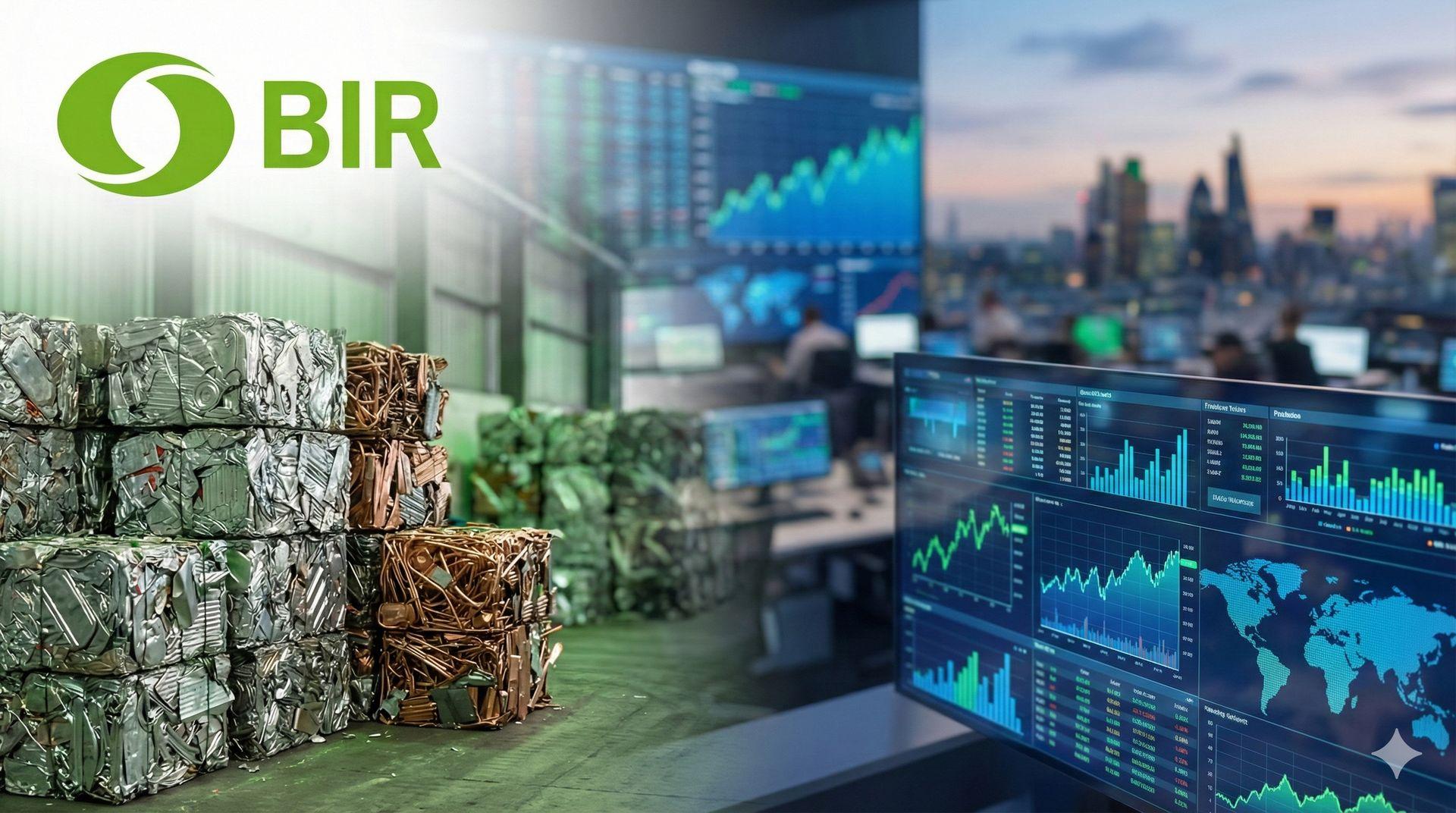
The BIR has launched the BIR Academy, training videos for the recycling industry. The first episode explains the LME and why it sets scrap prices.
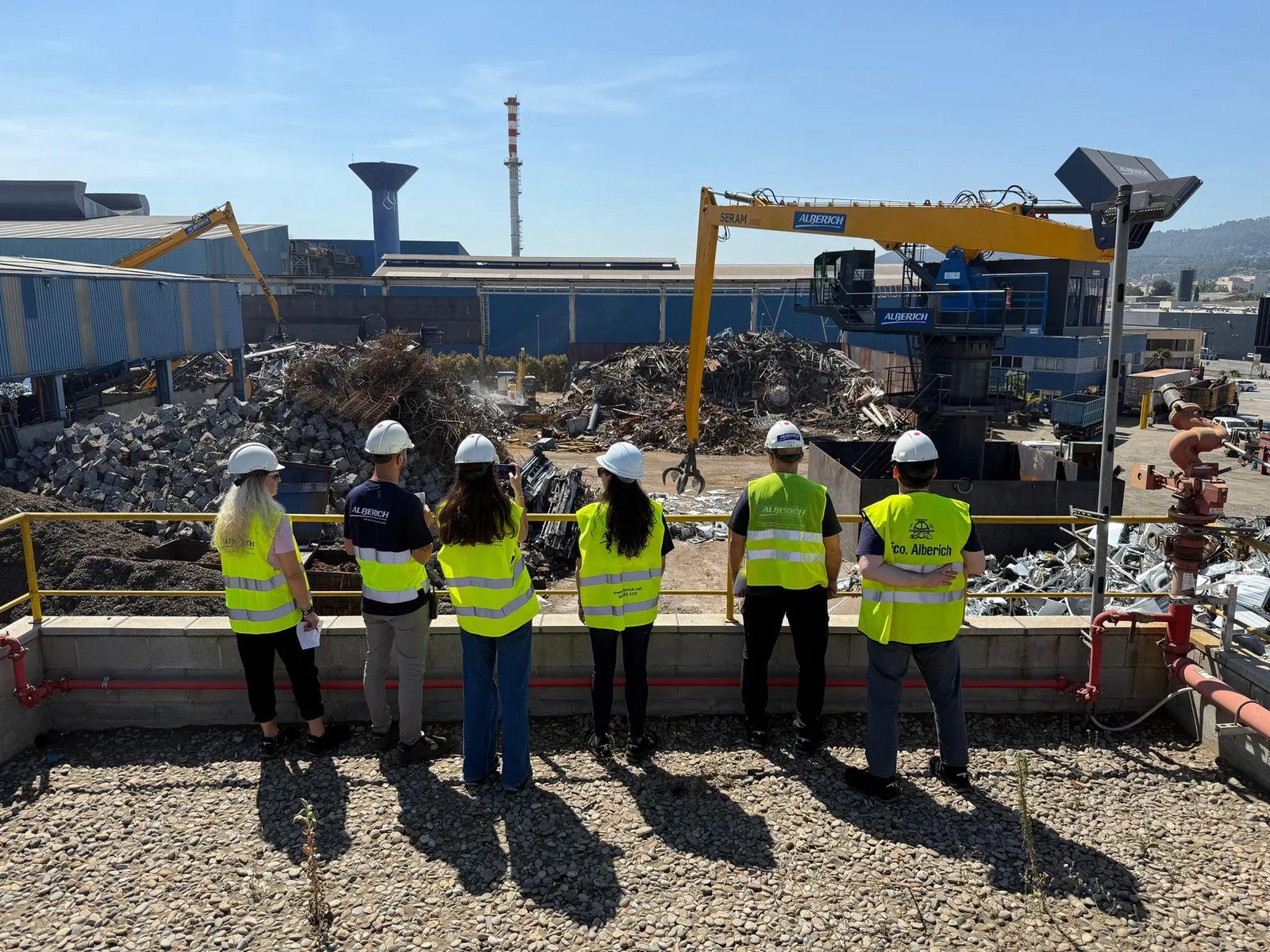
Types of ferrous scrap, what determines its value, where it goes and how an integrated scrap metal system works, from the container to the steel mill.
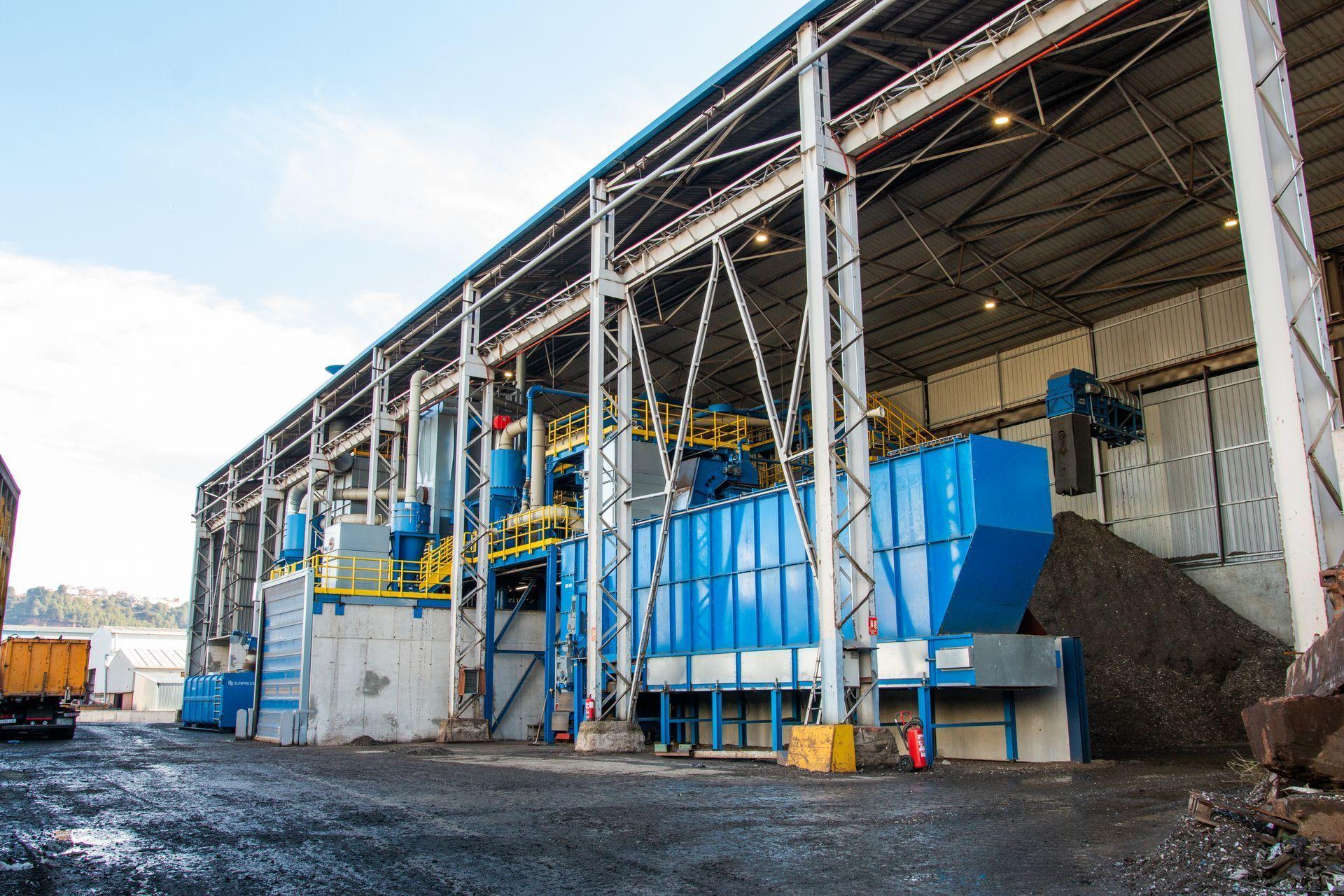
The future of metals: steel decarbonisation, strategic raw materials and the energy transition. What changes for scrap and what role recyclers play.
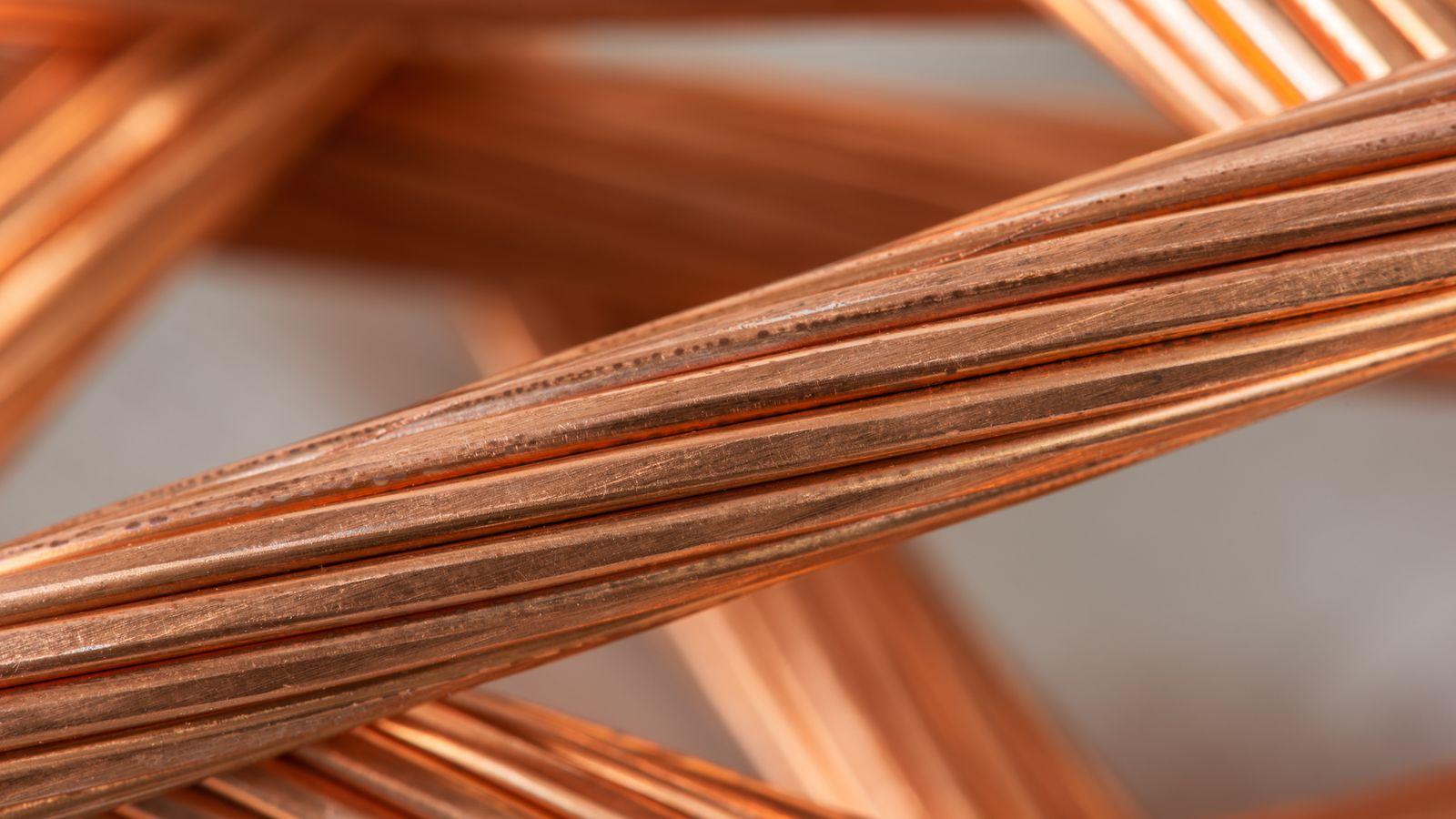
Copper vs bronze: what bronze is, its composition and colour, the properties of each, which lasts longer, which is worth more and how to tell them apart.
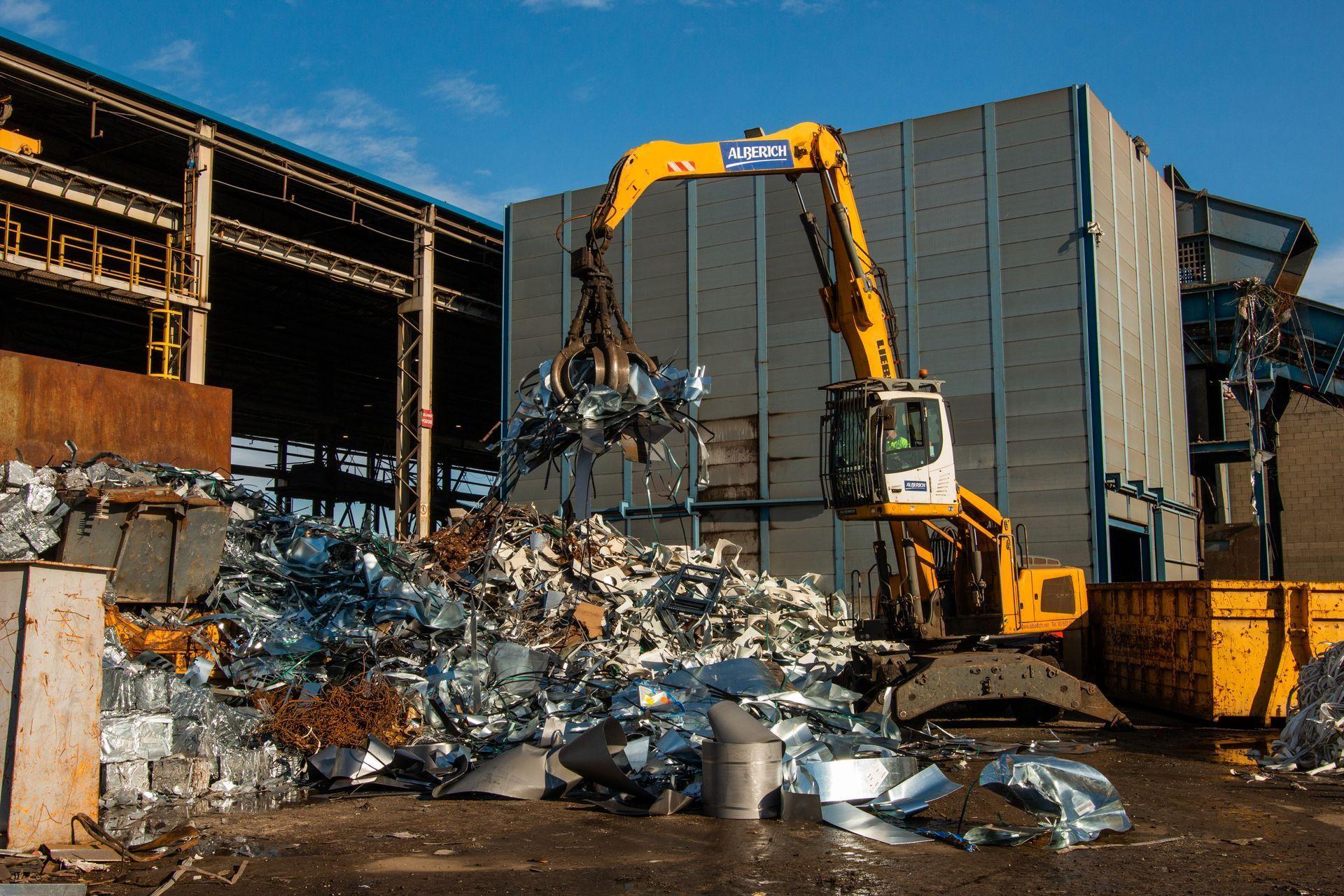
The environmental impact of ferrous and non-ferrous metal recycling (energy, emissions, mining, soil) and how your company can maximise the benefit.
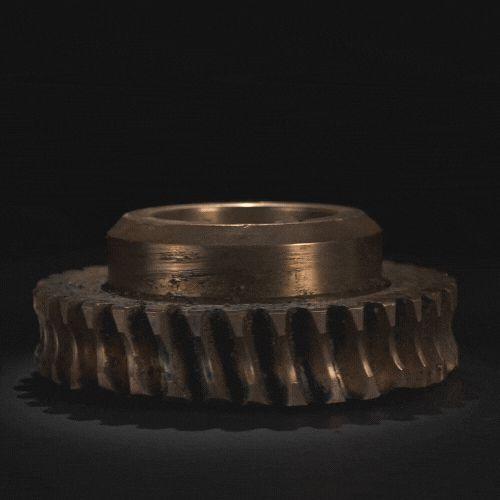
How to identify brass and bronze in scrap by colour, magnet, angle grinder and weight, what they are mistaken for and how to prepare them for recycling.
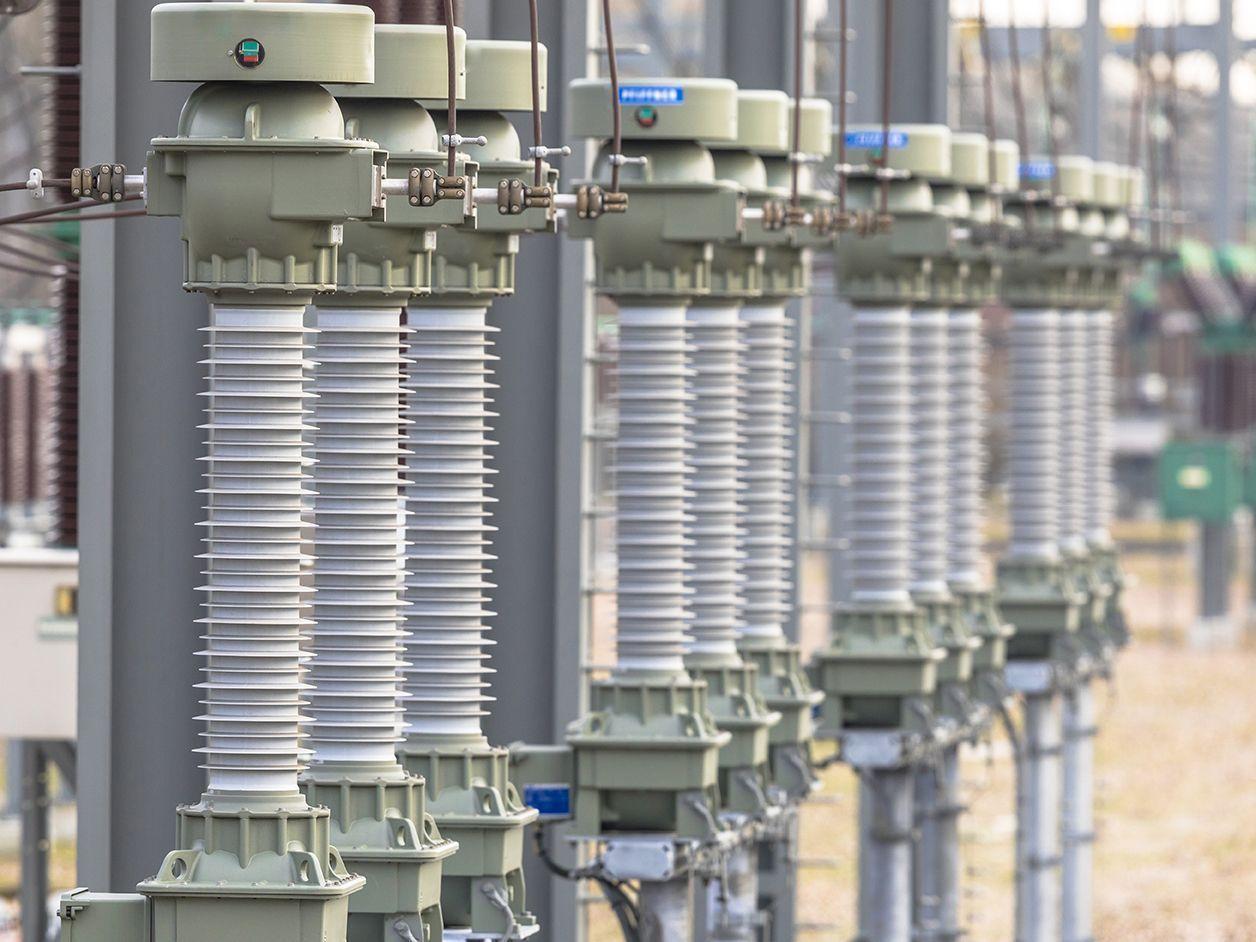
Metal recycling in the energy sector: how copper, aluminium and steel are recovered from cables, transformers and structures.
What a metal alloy is, which ones industry uses most (steel, stainless, aluminium, brass, bronze) and why they must be separated properly for recycling.
Why metal prices rise and fall (LME, demand, energy, the dollar, tariffs) and what a company that generates or buys scrap can do about it.
Brass vs bronze: what brass is, how it differs from bronze and what each alloy is used for in industry. Composition, types, properties and uses.
How copper recycling works, step by step from reception to spectrographic analysis, and what its price depends on: the LME, grade, purity and quantity.
What the scrap aluminium price depends on: the LME, type (extrusions, cans, wheels, sumps), cleanliness and quantity, and how to get a valuation.
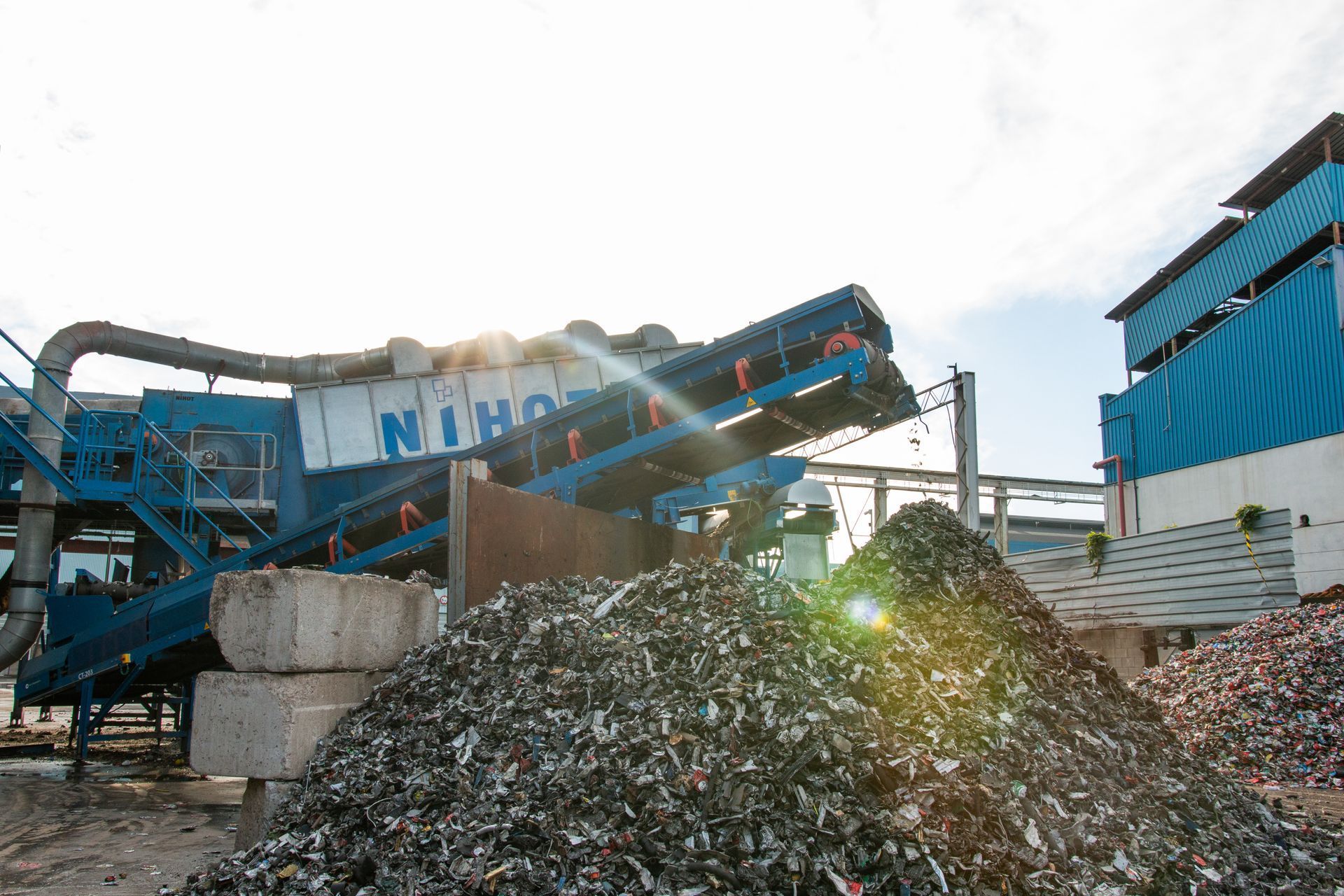
Magnets, eddy currents, X-ray and colour sorting: how ferrous and non-ferrous metals are separated and sorted at a recycling plant like Alberich’s.
What ferrous and non-ferrous metals are, how they differ, examples of each and why it matters to separate them when you recycle scrap.
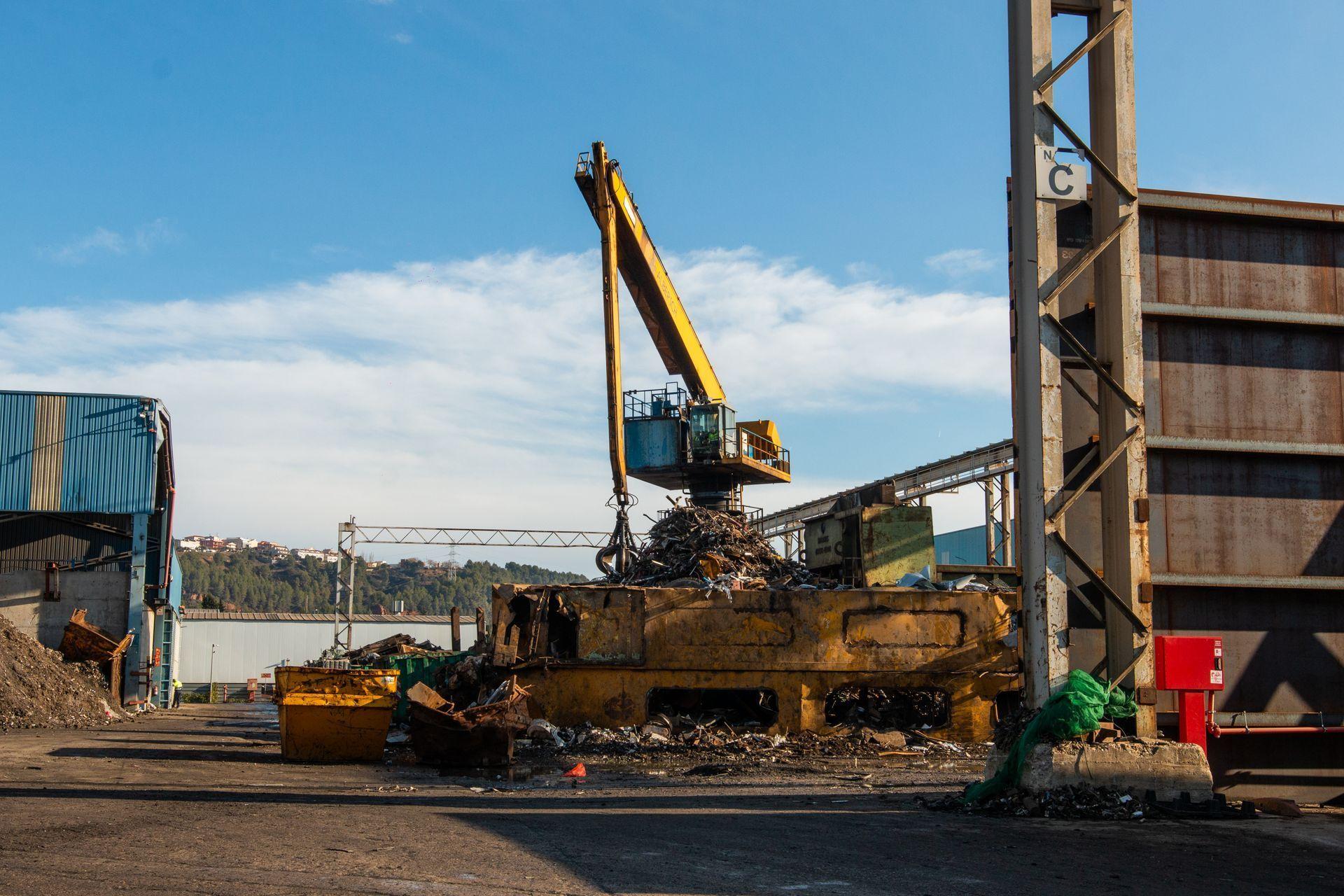
Metal recycling from the Bronze Age to electric steelmaking: how the industry began and where Alberich, recycling metal since 1900, fits in.
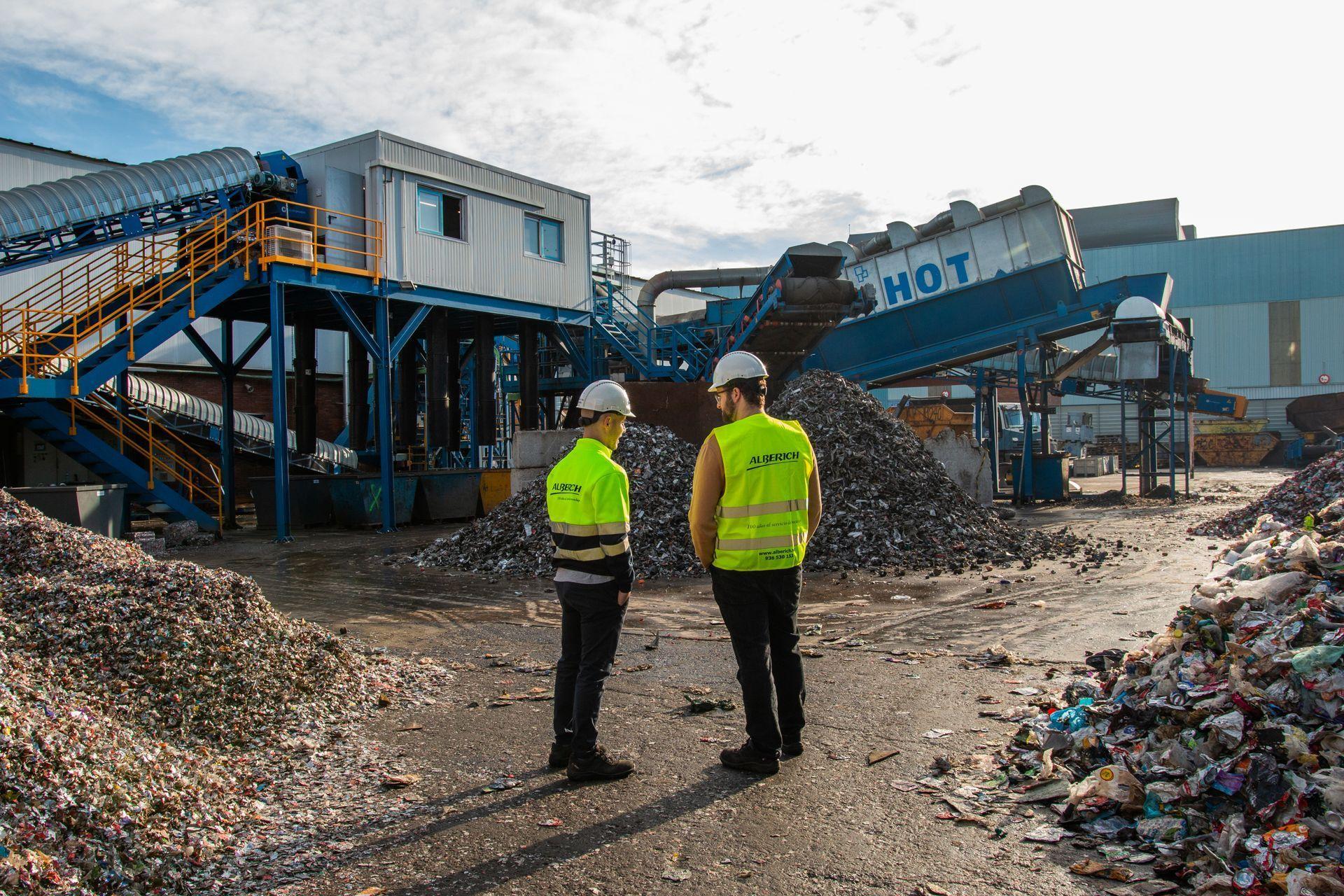
Copper is non-ferrous: it has no iron and a magnet won’t attract it. Table with aluminium, stainless, brass, bronze, lead and zinc, plus the magnet test.
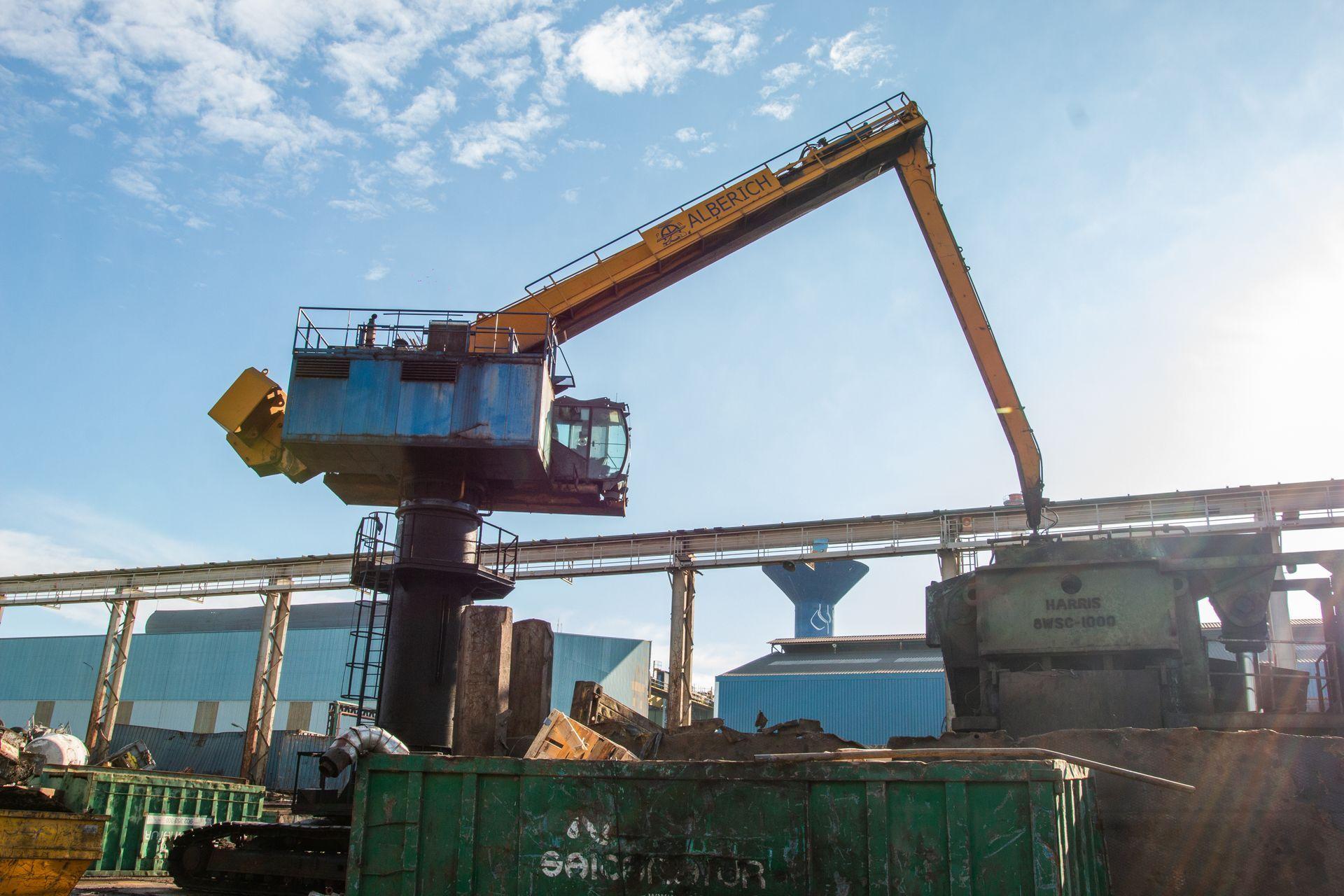
Ferrous metal recycling step by step: reception, radiation monitoring, sorting, shear or shredder, and delivery to the steel mill.
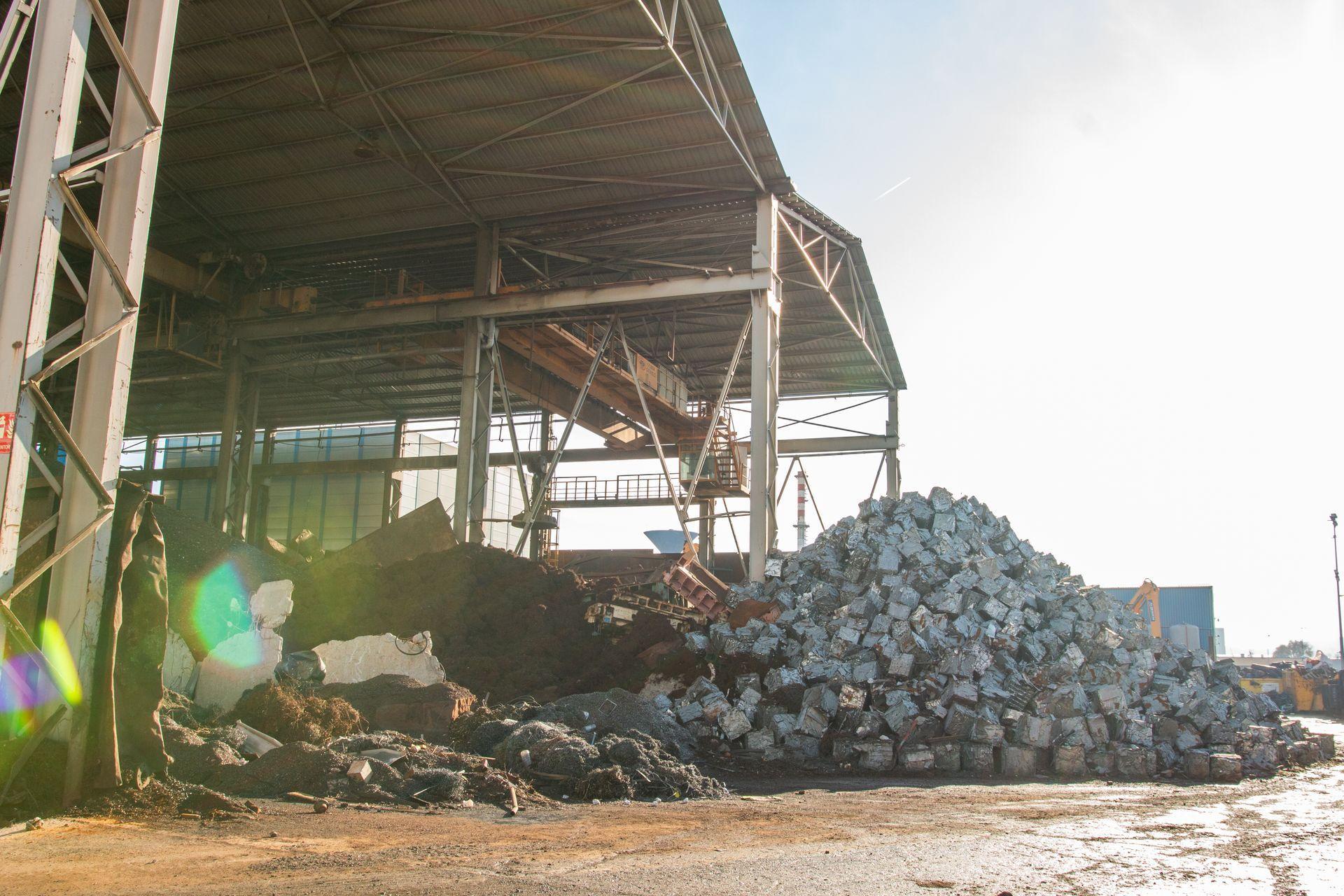
Recycling steel and iron saves ore, coal and emissions compared with making new steel from scratch. What the data says and what to do with your scrap.
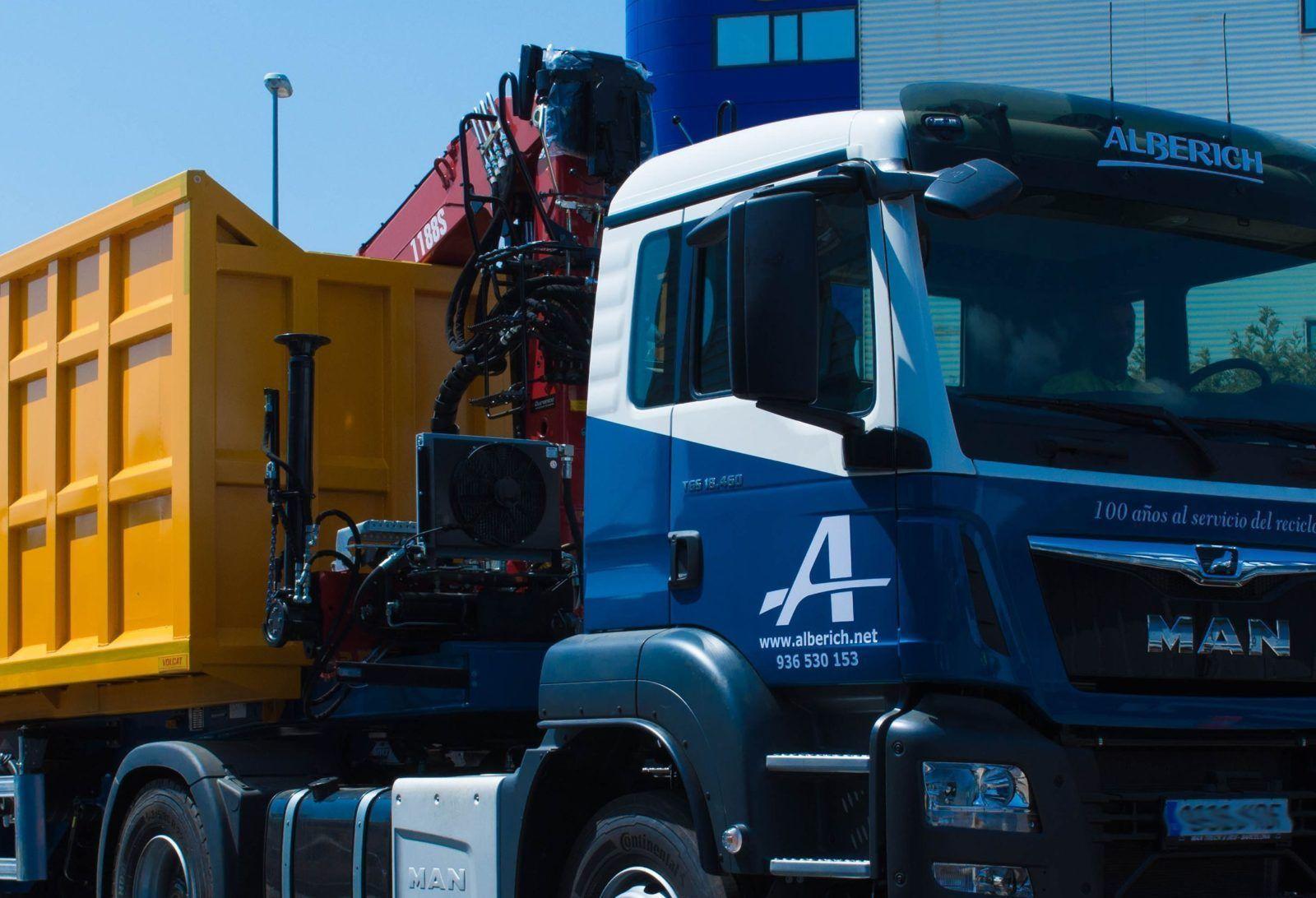
What the circular economy is, how it differs from the linear model and the role metal recovery plays in it, with real examples from Alberich.
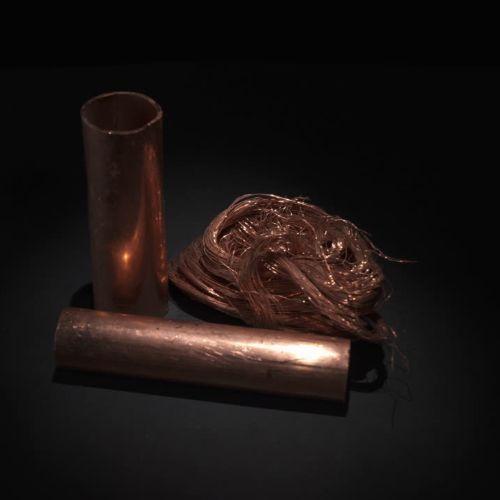
When stripping copper wire for scrap pays off, why you should never burn it, and how to separate copper from its impurities before you sell it.
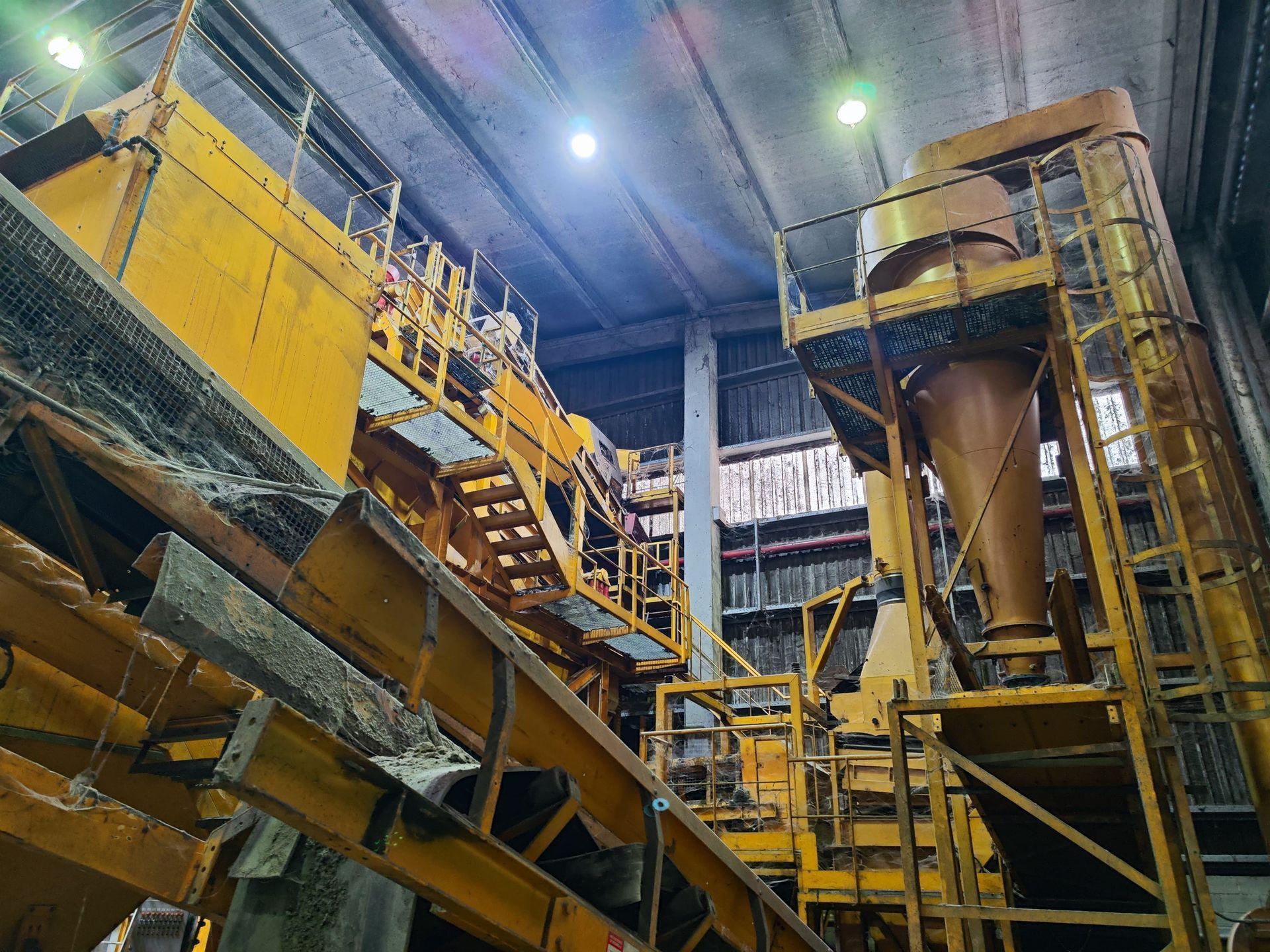
What recovery, preparing for reuse and recycling mean inside a metals plant: shredding, separation, steel-mill formats and melting.
Suggest a topic or tell us about your case. If you’re looking for an article from our previous website that you can’t find here, get in touch. We reply within 48 working hours.