Recycling construction materials depends above all on one condition: separating them properly. That way, concrete and brick become recycled aggregate, wood is shredded to make particleboard or recovered in other ways, and glass and plaster have their own streams. The materials that keep the most value are metals (rebar, steel sections, sheet, cable and pipe), because they can be remelted without losing their properties and there is a market for them. This guide focuses on them.
Which construction materials can be recycled?
A building site or a demolition produces very different types of waste, and each one has its own route:
| Material | How it is recycled | What to watch out for |
|---|---|---|
| Concrete, brick, ceramics and stone | Crushing and screening to produce recycled aggregate | It must arrive free of plaster, wood and plastics |
| Metals (steel, aluminium, copper…) | Sorting, cutting or shredding, and melting at a steelworks or foundry | Separating them by type and removing contaminants |
| Wood | Shredding for particleboard or energy recovery | Keeping treated wood separate |
| Flat glass | Recycling through a dedicated stream | No frames, seals or silicone |
| Plaster and plastics | Dedicated recycling plants | Keeping them from contaminating the mineral fraction |
| Hazardous waste (asbestos, paints, oils) | Removed beforehand by authorised contractors and waste management companies | Never mixing it with the rest |
We cover the overall breakdown of a demolition in demolition waste, and glass in glass recycling. From here on, we focus on metals.
What does the law say about separating construction waste?
Under Spain’s Law 7/2022 on waste and contaminated soils, non-hazardous construction and demolition waste must be separated into at least wood, mineral fractions, metals, glass, plastic and plaster, and selective demolition has been mandatory since 2024. Hazardous waste has to be removed before demolition, with particular attention to asbestos.
On top of this there is Royal Decree 105/2008, which regulates the production and management of construction and demolition waste: the project must include a waste management study, and the contractor a plan to implement it. The details of the law are in the new selective demolition law.
What metals come out of a building site or a demolition?
Rebar and reinforcing steel
This is the ribbed steel in reinforced concrete. During demolition it is separated from the concrete with hydraulic crushers and shears, or by magnetic separation at the crushing plant, and recycled as ferrous scrap.
Steel sections and structures
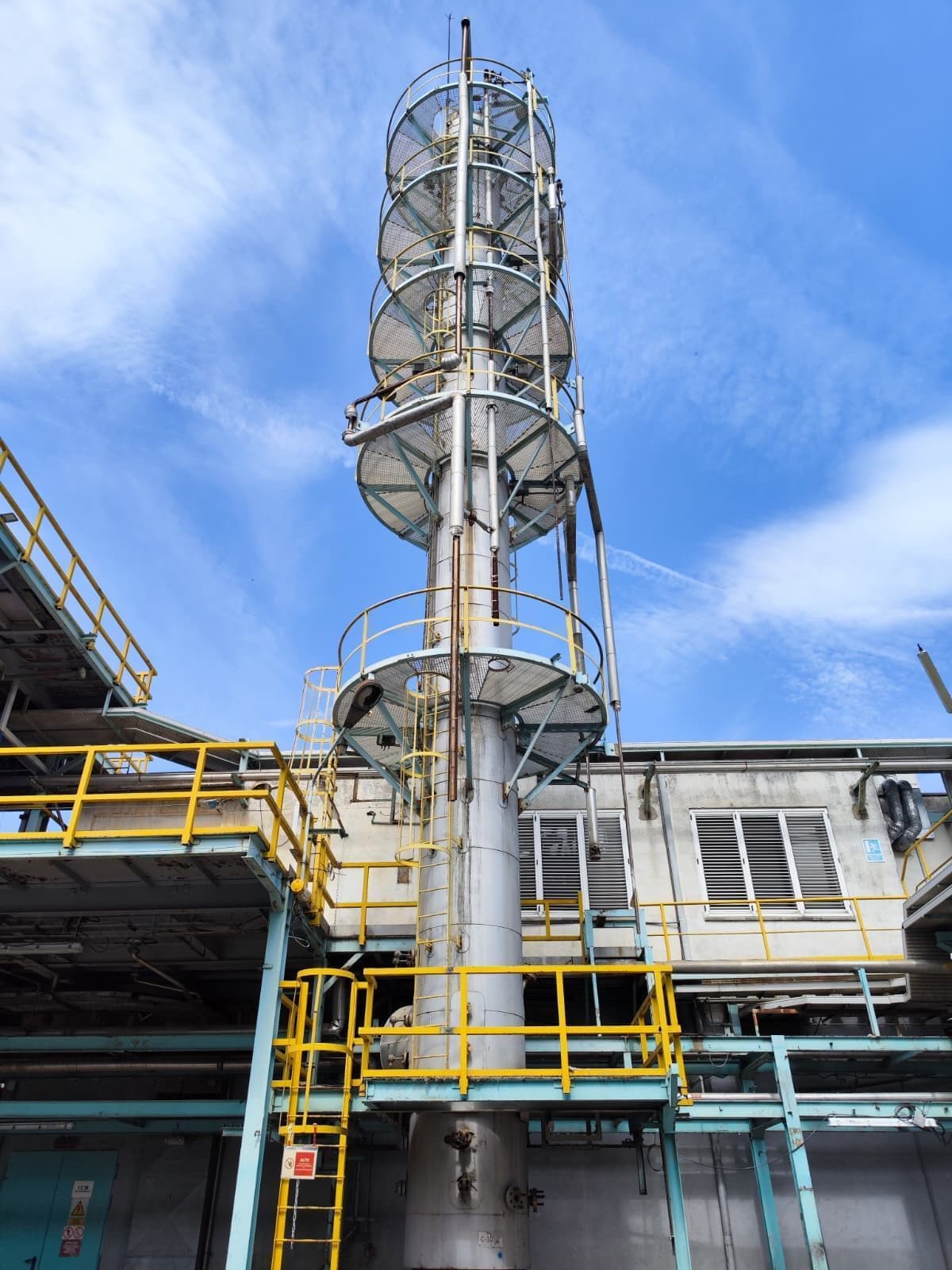
Beams, columns, trusses and purlins from industrial buildings. They are cut on site with oxy-fuel torches or shears and, at the plant, cut down to steelworks size in heavy-duty shears. This is the heaviest fraction and the easiest to recover value from: it becomes sheared scrap.
Sheet, roofing and cladding
Profiled sheeting, sandwich panels, gutters and downpipes. With sandwich panels, the metal sheets have to be separated from the insulating core before they can be recycled.
Copper cable and tube
These come from electrical, plumbing and air-conditioning installations. Cable is bought for the copper it contains and is granulated at the plant; tube is valued according to how clean it is. More details in how to recycle copper cable.
Aluminium, brass, lead and stainless steel
Window frames and façades (aluminium extrusions), brass taps and valves, old lead pipes and roofing, and stainless steel components. They are small fractions by weight, but very valuable if they arrive separated.
How should construction scrap be prepared so it is worth more?
- Separate ferrous and non-ferrous from the start, in different containers. A piece of copper lost among the rebar is paid for as iron.
- Remove contaminants. Concrete stuck to the rebar, wood or plastics all register on the weighbridge, but they are not metal and are deducted.
- Keep cable separate and don’t burn it to strip the insulation: it is prohibited, it pollutes and burnt copper loses quality.
- Remove the glass and seals from aluminium window frames.
- Size the containers to the expected volume of each fraction, so that fractions don’t get mixed for lack of space.
For jobs with a significant volume of metal, we provide containers from 1 to 30 m³ and a mobile baler that bales the scrap on site. You’ll find the details under logistics and collection.
How does Alberich handle it on a demolition?
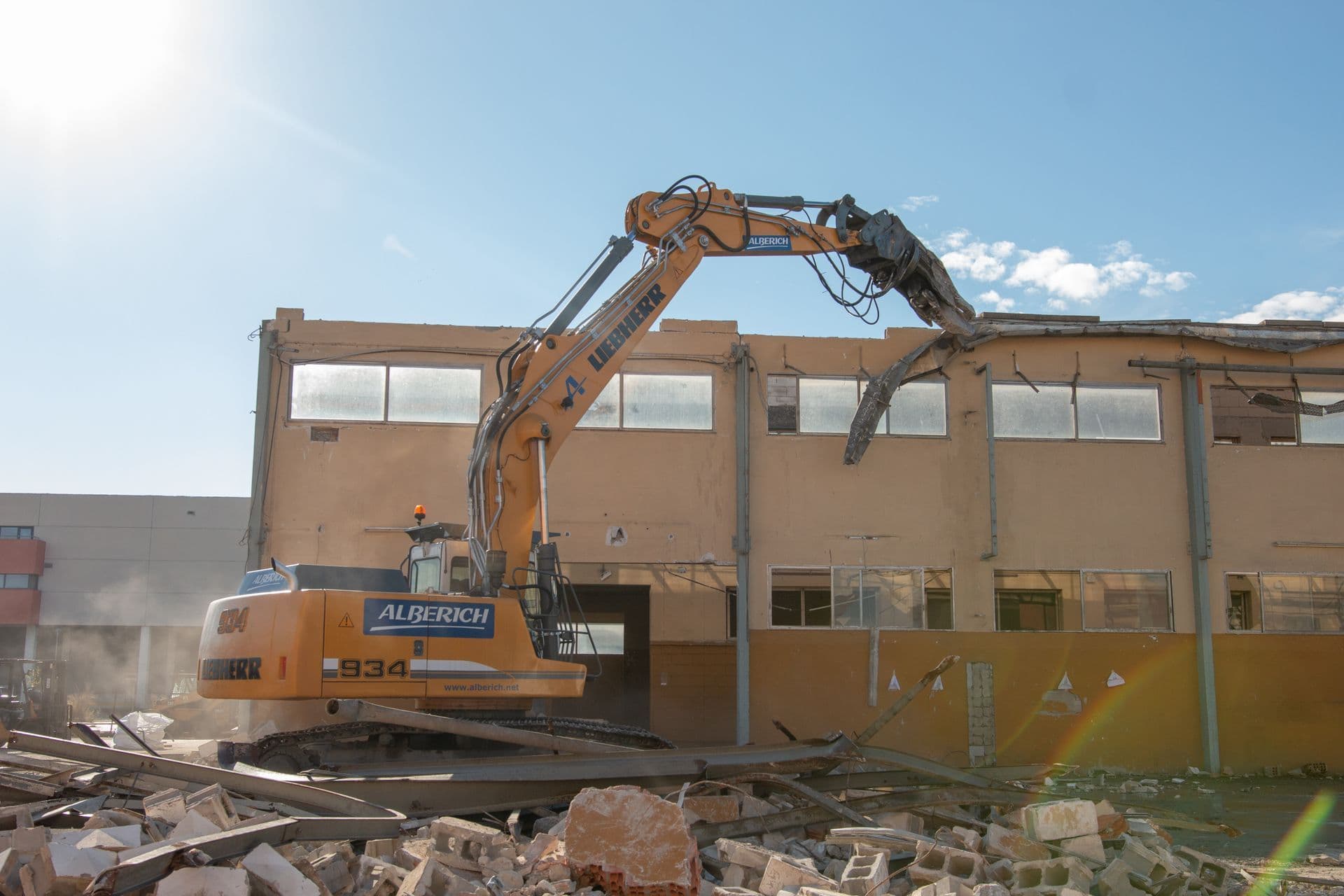
For industrial demolition we offer an end-to-end service: licences, valuation of the material, execution and waste management, with our own machinery and team. The valuation of the recoverable metal is part of the initial survey, because it affects the financial outcome of the job.
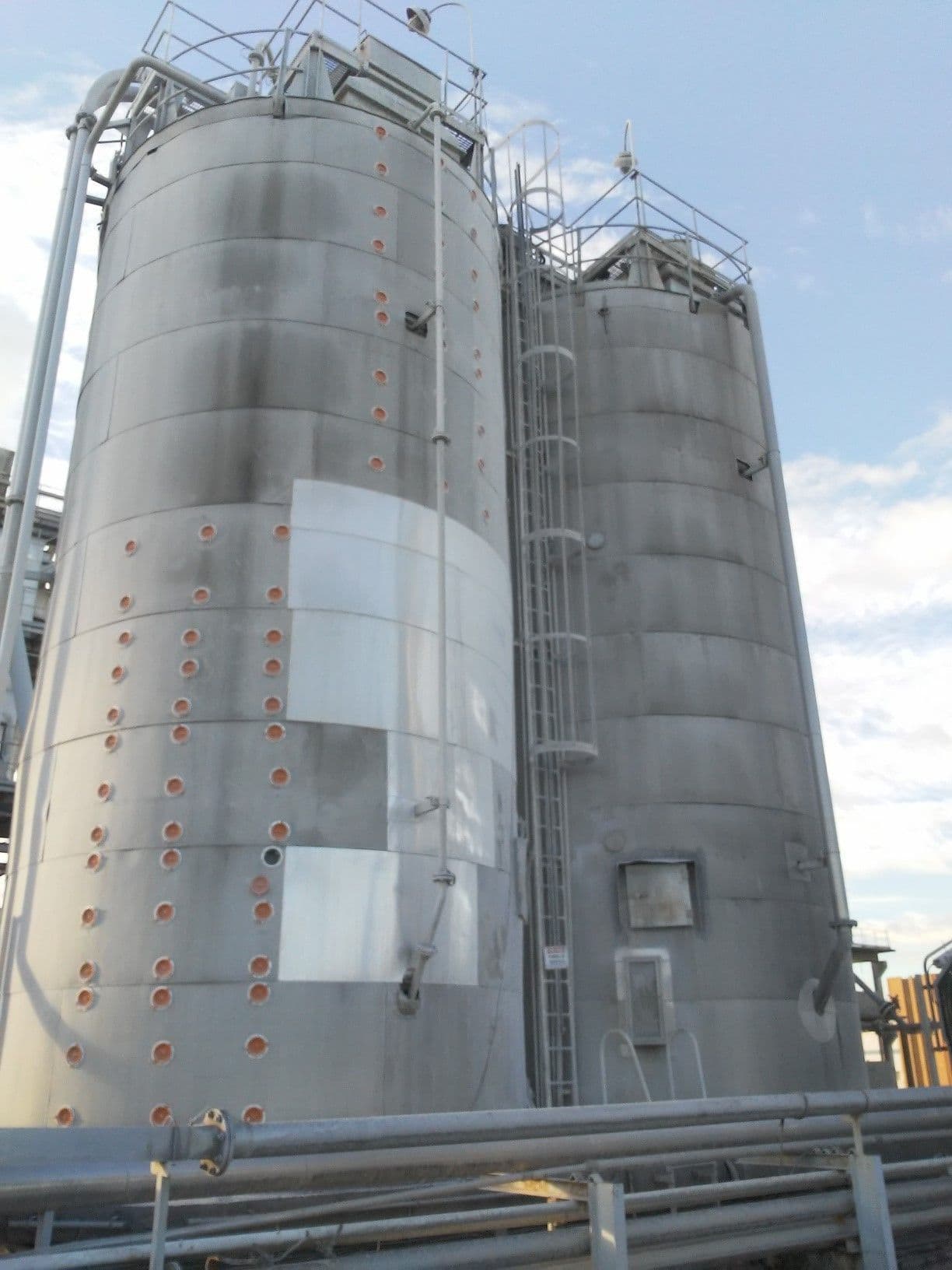
During the work we separate the steel, concrete and other fractions at source. The metal travels in our own fleet to our plants, where it is processed in the shears or the shredder; the other fractions go to authorised waste management companies. In the demolition of two industrial silos, 95% of the material was recycled, and on the railway footbridge, 100% of the structural steel. We also work in construction and civil works, in coordination with contractors and developers.
Frequently asked questions
What is rebar?
It is the ribbed steel placed inside reinforced concrete. When the concrete is demolished, the rebar is separated from it and recycled as ferrous scrap; the less concrete it has stuck to it, the higher its value.
Can sandwich panels be recycled?
Yes, but the metal sheets have to be separated from the insulating core, which is usually foam or mineral wool. The metal is recycled as scrap and the insulation follows its own waste management route.
Who is responsible for the waste from a building site?
The producer, usually the developer, must include a waste management study in the project. The holder, that is, the contractor carrying out the work, puts it into practice through a waste management plan and must hand the waste over to authorised waste management companies.
Do you buy scrap from small jobs?
Yes. We’ll value any lot of ferrous scrap, cable or non-ferrous metals, whether it comes from a refurbishment or an industrial demolition. If the volume is small, you can also bring it to one of our sites or to a Scrap Center.
If you have a building or demolition job under way, tell us which metals you will be generating and in what volumes, and we will suggest how to separate and remove them.