PCB-free oil-filled transformers
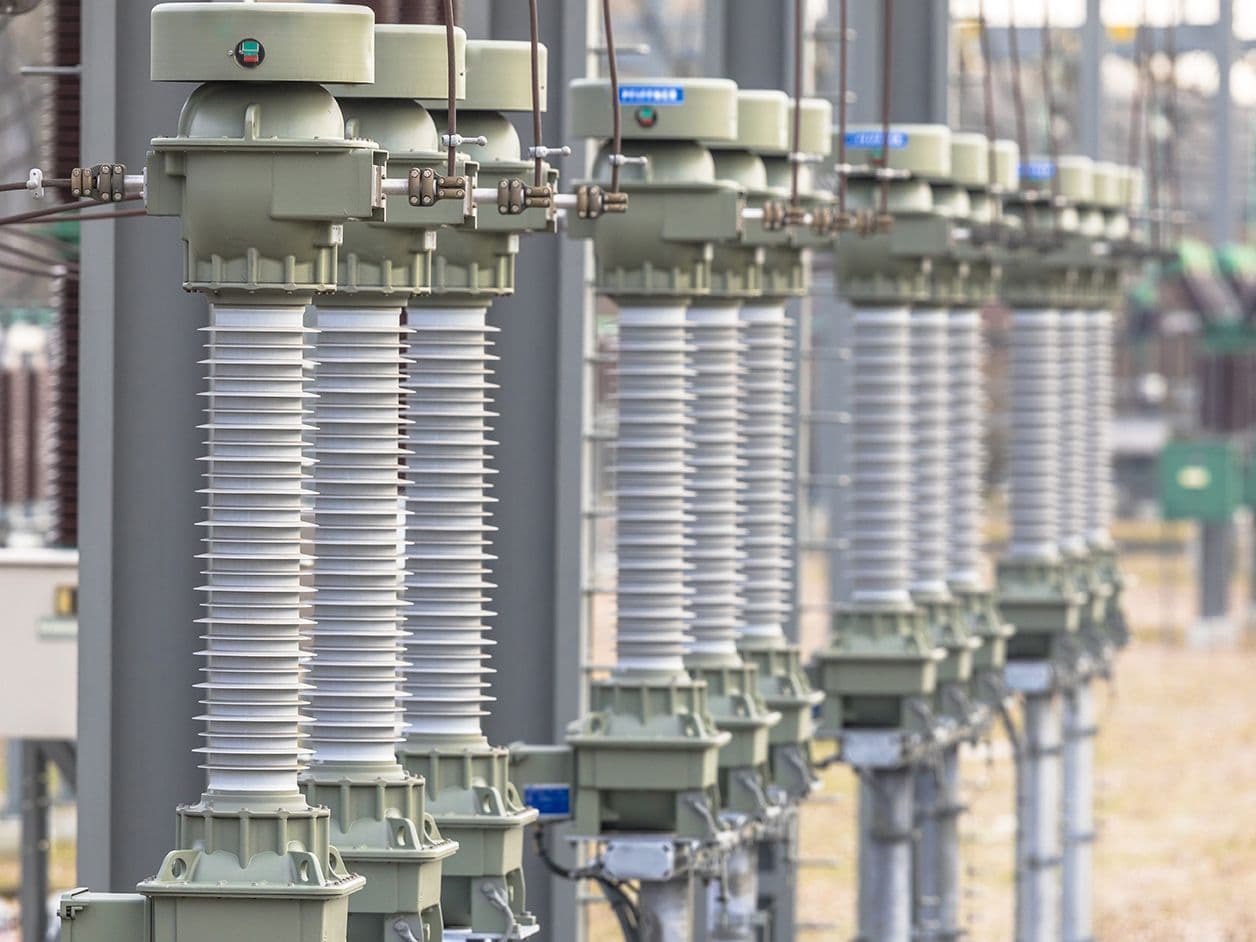
Standard dielectric oil with no chlorinated contaminants. This is the most common case and where we add the most value: decontamination, copper and steel recovery, and value recovered from every metal component.

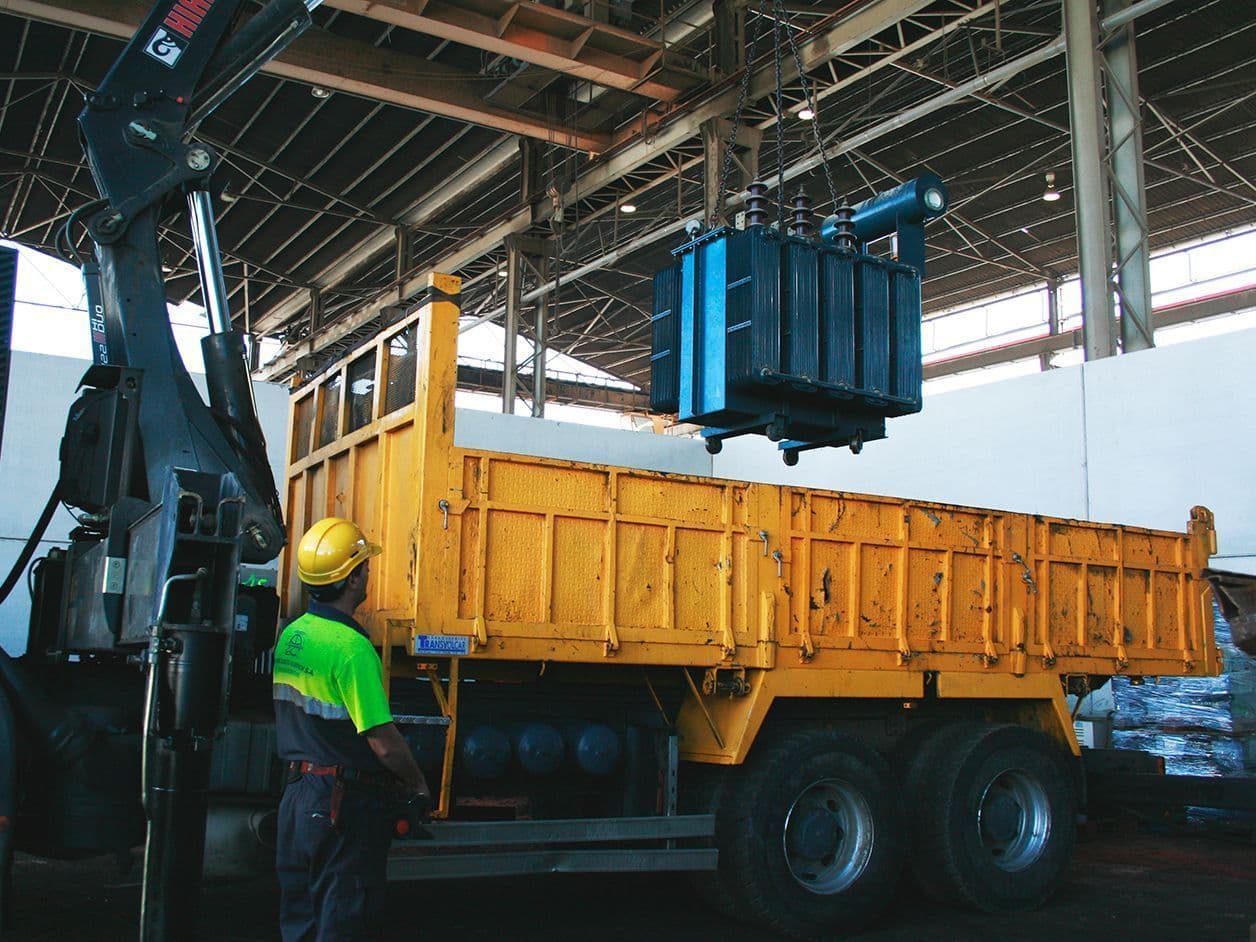
Authorised by the Catalan Waste Agency to handle oil-filled transformers (with or without PCBs) and dry-type transformers. An end-to-end service covering removal, treatment at our plant and recovery of the copper and steel, with full documentary traceability.
‘We ensure traceability across the whole process, from removing the transformer to its final destruction.’
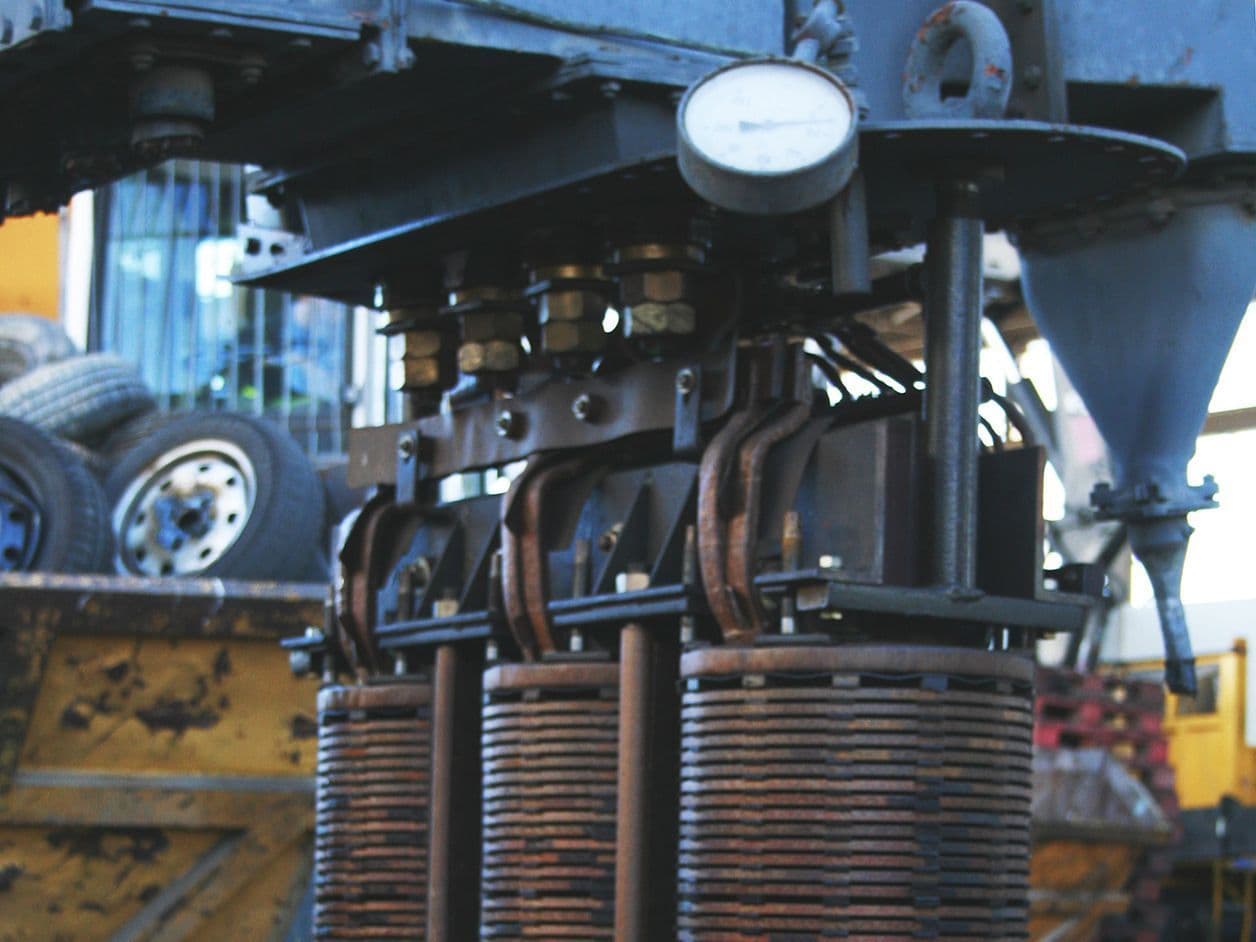
A transformer at the end of its life contains copper, steel and valuable auxiliary components. The first question is always the same: is it oil-filled or dry-type? And if it’s oil-filled, does it contain PCBs or not?
Our authorisation, no. E-345.97, covers all three types, each with its own protocol. For units containing PCBs we work as a transfer station, not as the final treatment facility.

Standard dielectric oil with no chlorinated contaminants. This is the most common case and where we add the most value: decontamination, copper and steel recovery, and value recovered from every metal component.

The oil contains polychlorinated biphenyls (PCBs, known in Spain as piraleno) above the regulatory threshold. It has to be managed as hazardous waste, with specific documentation.

Resin-encapsulated, with no dielectric oil. The treatment is different: there’s nothing to drain, but the windings have to be extracted, because that’s where the unit’s value lies.

Handling transformers takes the right facilities, trained staff and a specific authorisation. Ours covers both oil-filled and dry-type units, and also lets us receive units containing PCBs as a transfer station.
It’s the foundation of our end-to-end service. Any customer with an end-of-life transformer can come to us with full regulatory assurance, whatever the type.
The Catalan Waste Agency (ARC) has granted us waste management authorisation no. E-345.97 for oil-filled and dry-type transformers.
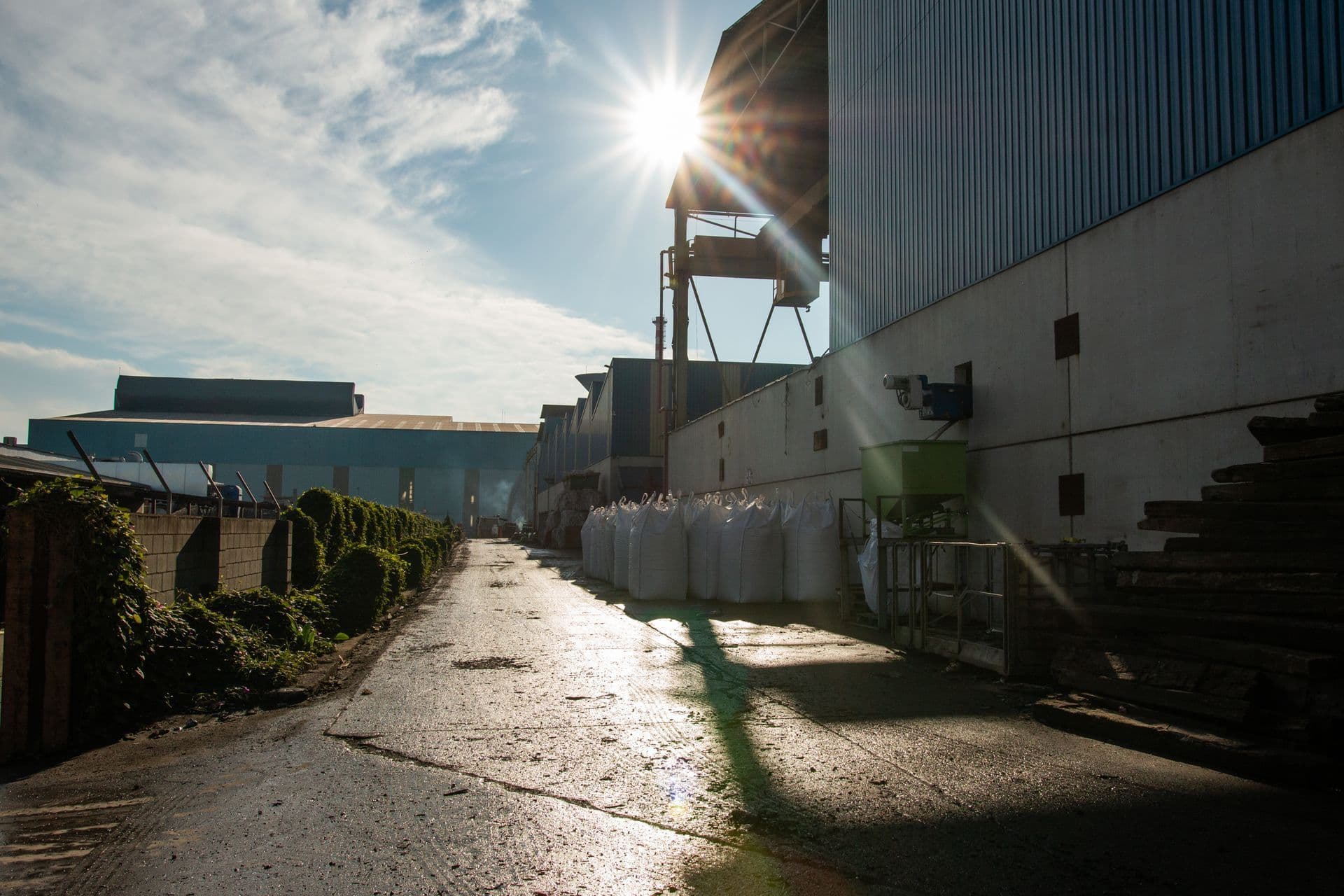
We work mainly in Catalonia from our head office in Castellbisbal, with our own fleet. Jobs outside the region are assessed case by case.
Decades of transformer dismantling and recovery projects for utilities, industry and specialist operators.
All handling complies with current hazardous waste regulations, with complete legal documentation in every case file.
An end-to-end service covering the whole cycle of an obsolete transformer. From the first phone call to the certificate of destruction, with full control of the process.

‘We ensure traceability across the whole process, from removal to final destruction.’
We gather the transformer’s details: type (oil-filled or dry-type), rating, age, location and any signs of PCB contamination. We ask for front and side photos to pre-classify the unit.
Where needed, oil analysis to determine whether PCBs are present. The customer usually provides it; if not, we offer an oil sampling service. Then comes the financial valuation and the choice of technical route.
The units are prepared for safe extraction. Loading and transport in vehicles authorised for hazardous waste, where applicable.
For PCB-free oil-filled transformers, controlled draining of the dielectric oil and cleaning of the casing and internal components. Dry-type units need no draining: the windings are extracted directly. Units containing PCBs are sent on to an authorised final treatment facility.
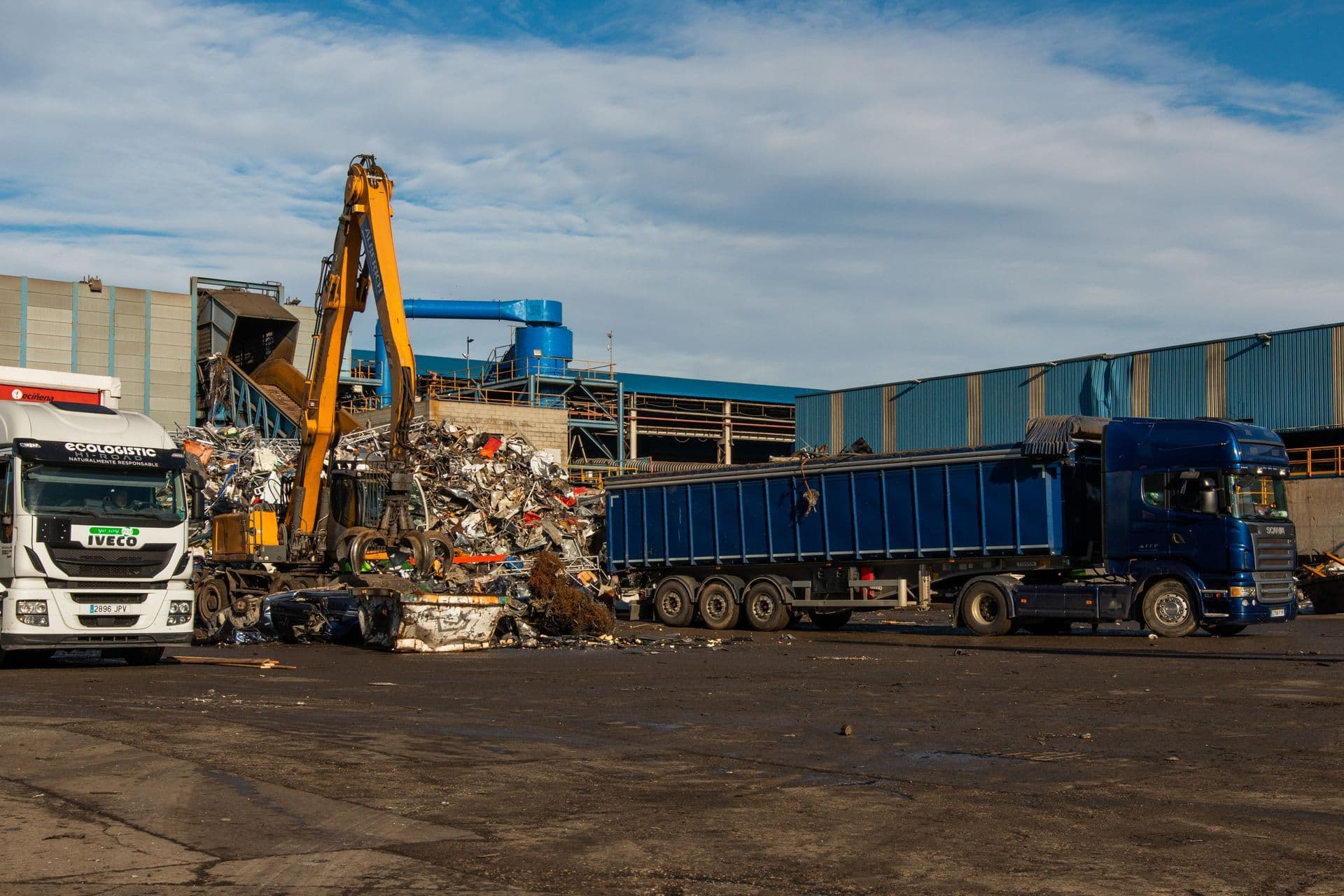
Mechanical separation of components: copper or aluminium from the windings, steel from the casing and core, insulation and auxiliary parts. Each fraction goes to the best outlet for it.
Full traceability documentation and handover of the environmental records. Where applicable, we issue the certificate of destruction, which is optional and available on request.
A transformer isn’t just bulk scrap. The value is in the windings (copper or aluminium, depending on the type) and in the steel of the core and tank. Separating them properly is what makes the difference to the final valuation.
We handle each fraction separately, with the documentary traceability current regulations require, and no component is left without a destination.
This is the most valuable component. In oil-filled transformers the windings are always copper; they are extracted, graded and go straight to our copper line.
Dry-type transformers can have copper or aluminium windings. They are separated by type before recovery, because the outlet and the valuation are different.
Electrical steel laminations from the core, and steel from the tank and radiators. They are separated mechanically and recovered as steelmaking-grade ferrous scrap.
Drained under controlled conditions and sent to an authorised waste management company for regeneration or recovery, with the corresponding waste tracking sheet.
We don’t treat it at our plant. As a transfer station (T62), we send it on to an authorised final treatment facility, with all the documentation linked to the case file.
Insulators, bushings, tap changers, resins and insulating materials are sorted and sent to the right treatment route for each fraction.
From collection to the certificate of destruction, every step is documented. We hand the customer the complete case file for their environmental and regulatory records.
The certificate of destruction is the document that proves the transformer and its oil have been handled in line with regulations. Essential for environmental audits, ISO certification and regulatory compliance.
We issue it when the case file is closed, with all the associated traceability, and keep it on file for the legally required period.
Handling PCBs takes authorisation, method and traceability. We offer you an end-to-end service, with flawless paperwork from start to finish.
Authorised by the Catalan Waste Agency under waste management authorisation no. E-345.97, for both oil-filled and dry-type transformers.
From opening the case file to closing the paperwork, everything through a single point of contact. Valuation, removal, transport, treatment at our plant and recovery.
We work with strict emissions control, ADR protocols and complete documentation, so the customer is covered in environmental audits.
Recovery of copper, steel and other recoverable components. The value of the materials is reflected in the financial proposal for the service.
Handling transformers with PCBs is a specialist field. For specific questions about your electrical installation, contact our technical team.

PCBs (polychlorinated biphenyls), known in Spain as piraleno, are organochlorine compounds that were historically used as dielectric oil in transformers because of their thermal stability. Their use has been banned since the 1980s and 1990s because of their toxicity, persistence and bioaccumulation. Many old transformers still contain PCBs and need specific handling as hazardous waste.
Transformers manufactured before 1986 are suspect. The rating plate may mention ‘Askarel’, ‘Piraleno’, ‘Clophen’ or other PCB trade names. If in doubt, we take an oil sample and carry out a chemical analysis to determine whether PCBs are present and at what concentration.
We are authorised by the Catalan Waste Agency (ARC), under waste management authorisation no. E-345.97, for oil-filled and dry-type transformers: removal, transport, treatment at our plant, recovery and document management. For units containing PCBs we act as a transfer station (T62), not as the final treatment facility.
For transformers containing PCBs we act as a transfer station (T62): we receive the unit and issue the paperwork, and final destruction is carried out by an authorised final treatment facility. We prepare the waste acceptance form and the waste tracking sheet; the certificate of destruction is issued on request.
Once it has been decontaminated, we recover the high-purity copper from the windings, the steel from the casing and the magnetic core (high-grade silicon steel) and other auxiliary metal components. The recoverable materials reduce the net cost of the service.
Our authorisation is from the ARC and we work mainly in Catalonia, with our own fleet based at our head office in Castellbisbal. We look at jobs outside the region case by case: if the volume justifies it, we travel.
It depends on the size of the transformer, where it is and whether it contains PCBs. In standard cases, from opening the case file to delivering the certificate of destruction, the process can be completed in a few weeks. For urgent jobs, we prioritise the paperwork.
When the case file is closed, we provide the initial data sheet, the oil analysis where applicable, the waste acceptance form and the waste tracking sheet (both mandatory legal documents), and the priced goods-received note. The certificate of destruction is optional and issued on request, for a charge. Everything is ready for environmental audits and regulatory reporting.
If your company has end-of-life transformers, oil-filled or dry-type, we can handle them with full regulatory assurance. Open a case file and we’ll take care of the rest.