DAuthorised waste broker and dealer

The right route
for every waste stream.

As a technical and commercial intermediary, we weigh up every option on the market for each waste stream. We’re not tied to a single destination, which is why we find the most efficient combination of cost, technology and compliance.

Our position in the market

A technical intermediary with a view of the whole market
and no ties.

We act as a broker between industrial waste producers and specialist final treatment facilities. Our authorisation lets us coordinate hazardous and non-hazardous waste streams without being the final treatment plant ourselves.

That independence is the key to the service: we always look for the most suitable treatment for each waste stream, including reclassification from hazardous to non-hazardous when it’s feasible. We don’t just point you in the right direction: we manage it for you from start to finish.

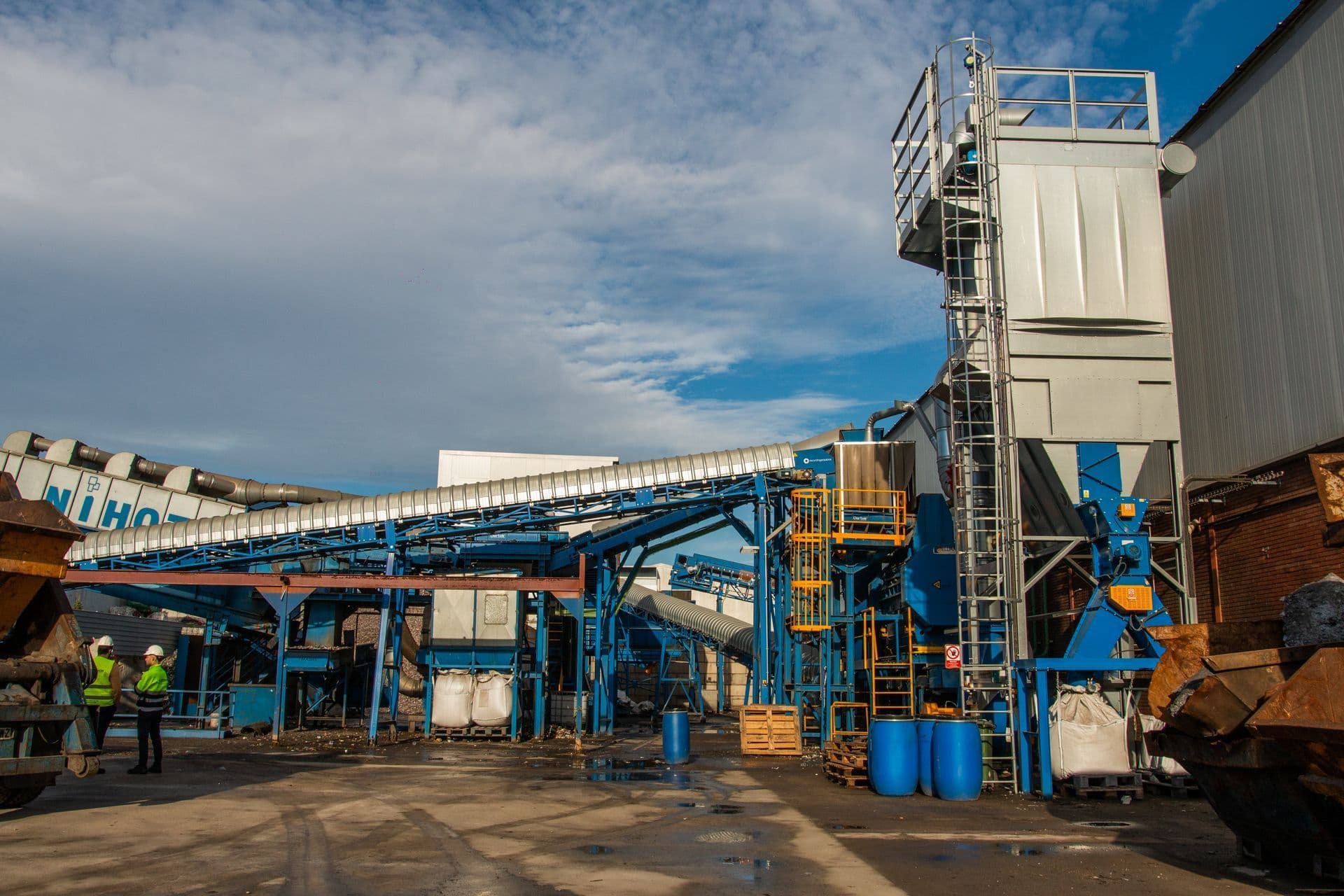
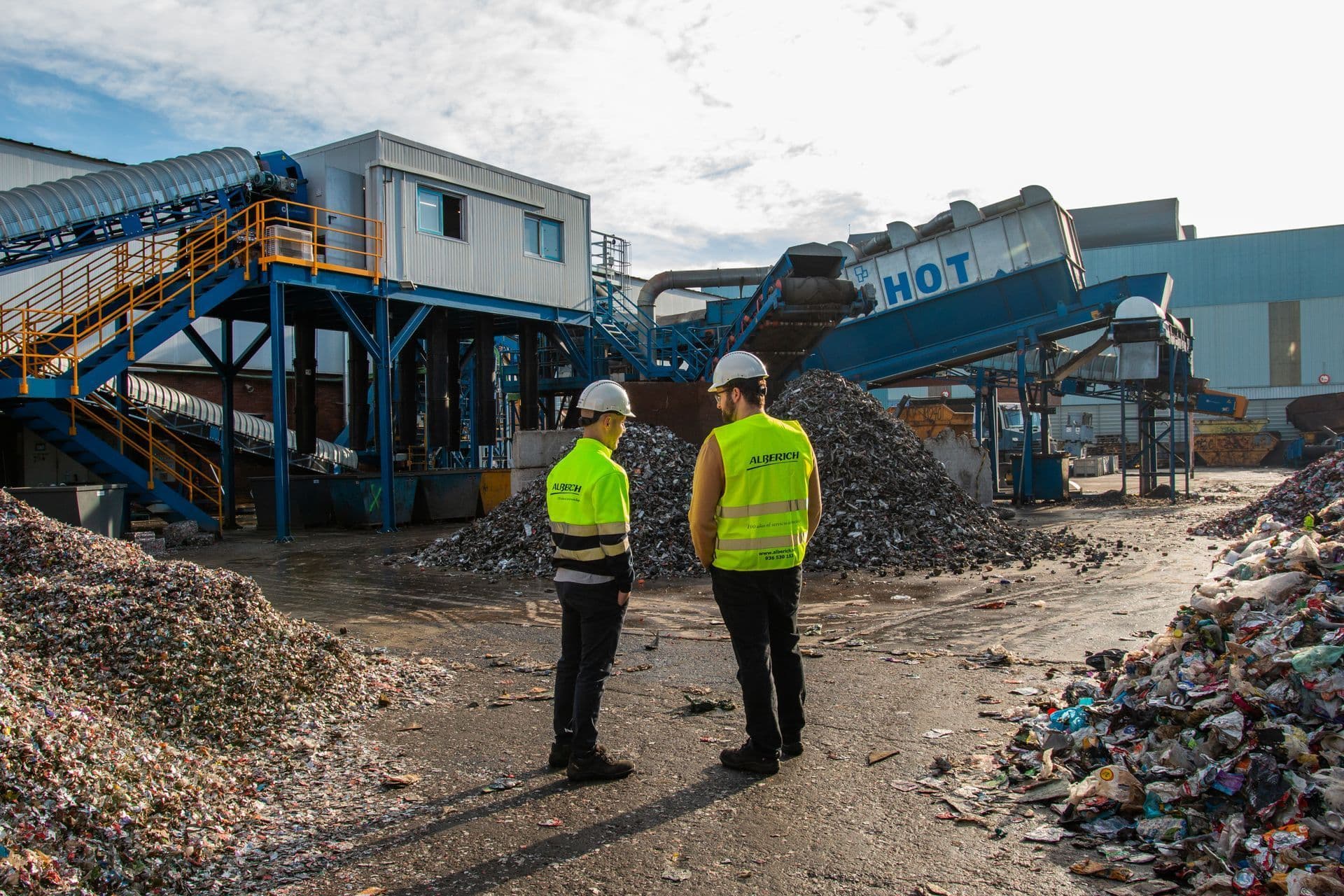
Two Alberich technicians in front of the separation line
✓What we are
  • 01
    Authorised waste broker
    Authorised by the Catalan Waste Agency (ARC) for hazardous and non-hazardous waste.
  • 02
    End-to-end waste management
    We assess the waste, define the route and carry out the operation from start to finish.
  • 03
    Documentation manager
    Waste tracking sheets, ADR (dangerous goods by road), acceptance forms and full traceability.
  • 04
    Logistics coordinator
    Tankers, leak-proof containers, ADR and on-site preparation.
  • 05
    Cost and destination optimiser
    Multiple approved alternatives; recommendations based on a full cost breakdown.
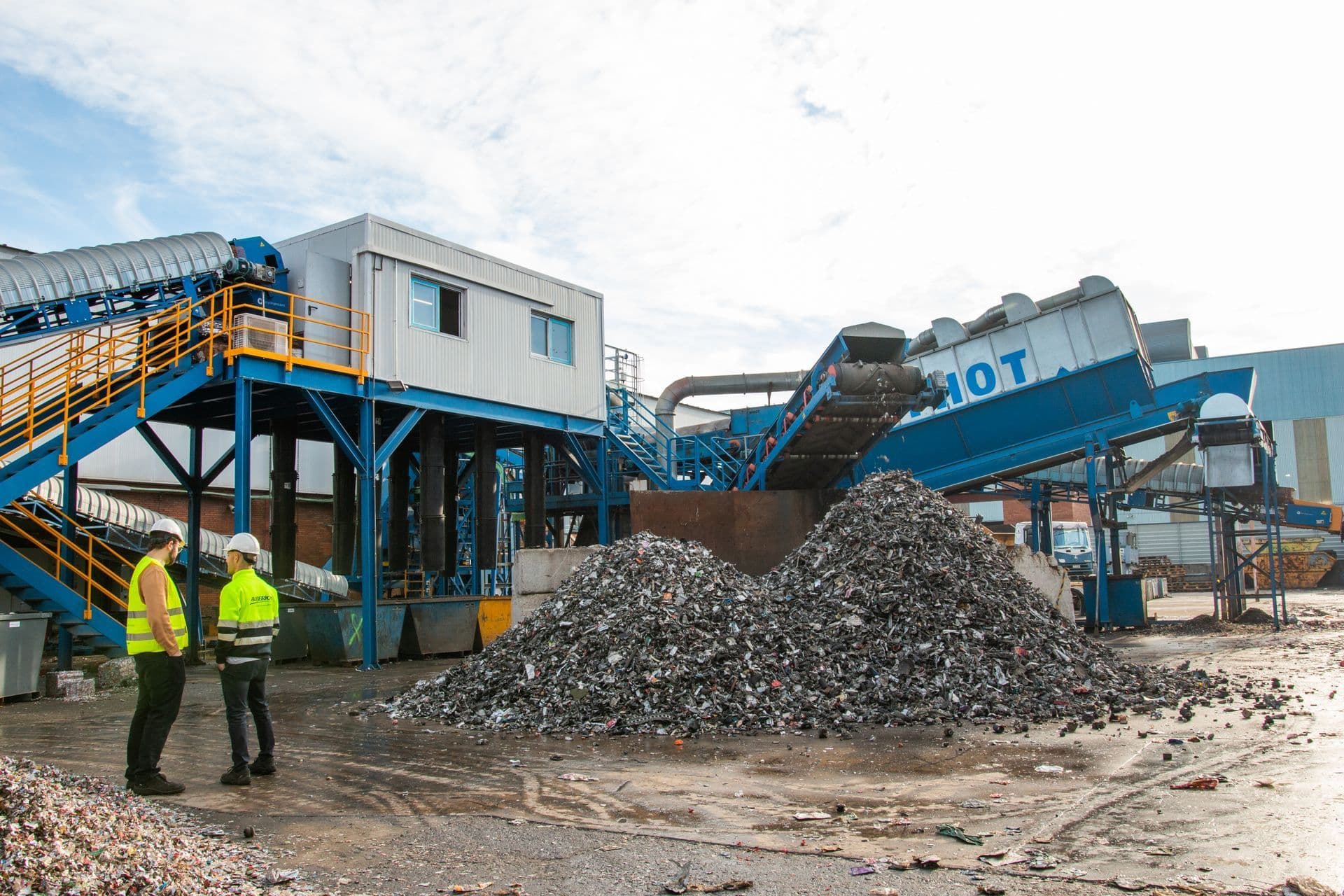
Alberich technicians supervising the separation line
×What we are not
  • 01
    A final treatment facility for hazardous waste
    We don’t appear as the waste management company on hazardous waste documentation.
  • 02
    An official regulatory consultancy
    We don’t handle permits, substantial modifications or remediation.
  • 03
    A plant with a single-product mindset
    We don’t bend the route to keep a particular technology busy.
  • 04
    Tied to one destination or technology
    We work with multiple approved waste management companies for each waste stream.
  • 05
    Clinical waste specialists
    It’s not our focus. Autoclaving and hospital waste circuits go to specialist operators.
Technical scope

Two main families.
Two approaches to documentation.

The European List of Waste has more than 800 EWC codes. Our starting point is always to classify waste as hazardous or non-hazardous, because everything else follows from that.

NH

Non-hazardous

Alberich named as broker

We appear on the documentation as the broker and coordinate directly with the producer: acceptance, transport, destination and closing the case file.

Common examples
  • Sewage sludge (within non-hazardous parameters)
  • Soil and rubble from demolition
  • Rejects to inert waste landfill
  • Recoverable plastics and cardboard
  • General non-hazardous waste
H

Hazardous

Final facility named on documents

We can handle it: we find the solution for your hazardous waste and carry out the operation. The authorised final treatment facility is named on the documentation, but we do all the operational and documentary coordination.

Common examples
  • Solvents and flammables (IPA, ketones)
  • Solvent-based paints and inks
  • Industrial silicones
  • Flammable contaminated water
  • Contaminated packaging and rags

Sectors we work with

06
/ 01
Fine chemicals and pharma
Active ingredients and coatings
/ 02
Textiles
Dye sludge and waste
/ 03
Industrial demolition
Filters, containers and oils found on site
/ 04
Wastewater treatment plants
Biological and chemical sludge
/ 05
Metal manufacturing
Cutting fluids and emulsions
/ 06
Surface coating
Water from lagoon cleaning
The Alberich method

Seven steps to close every case file.

Every waste stream goes through the same seven stages, from the first enquiry to the final filing of the documents. What makes the difference is the alternatives we weigh up at each step.

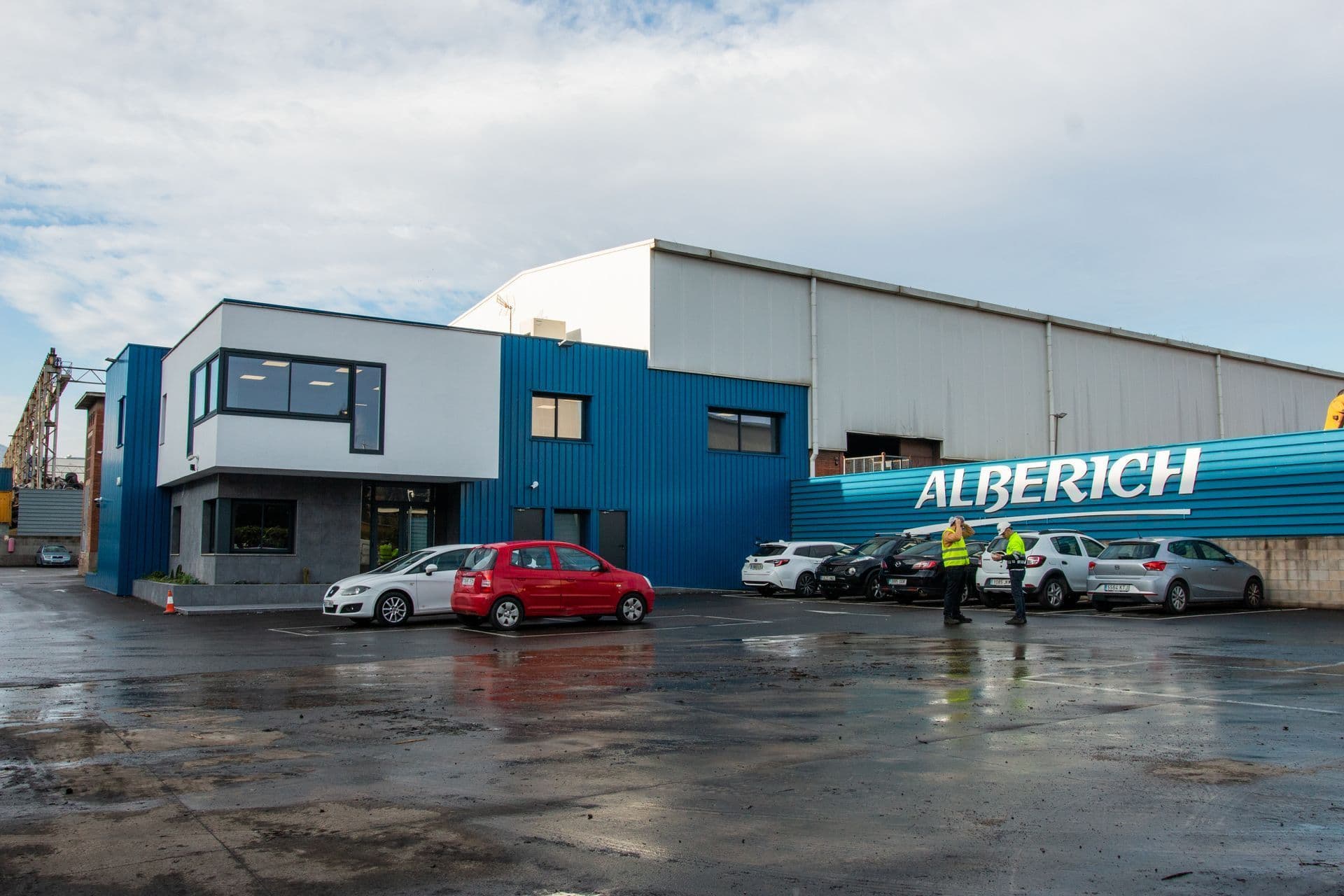
Alberich head office in Castellbisbal
‘The documentation must make it possible to reconstruct origin, contents, route and destination, with stamps and dates.’
  1. 01

    Waste stream assessment

    Technical consultation

    We gather data on the source process, volume, frequency, physical state and history of the waste, and make a preliminary classification as hazardous or non-hazardous.

  2. 02

    Characterisation and EWC code

    Accredited analysis

    Where appropriate, we request laboratory analysis. We assign the EWC code, assess the hazard and explore possible routes to technical reclassification.

  3. 03

    Destination matrix

    Commercial benchmarking

    We map out the viable approved final treatment facilities: distillation, material recovery, stabilisation, incineration or landfill.

  4. 04

    Cost optimisation

    Cost breakdown

    We compare gate fees, logistics and documentation requirements across the alternatives, and make a technical recommendation based on a full cost breakdown.
  5. 05

    Documentation and traceability

    ADR · SDR · Ministry

    Waste acceptance form, laboratory analysis where applicable and waste tracking sheet. Everything stamped, filed and linked to the producer’s case file.

  6. 06

    Safe logistics

    Authorised carrier

    Tankers, leak-proof containers, bulk bags. On-site preparation with UNE/ADR labelling and segregation by chemical compatibility.

  7. 07

    Closure and continuous improvement

    Annual review

    Case file closed per batch: producer → transport → destination. Reporting, invoicing and improvement proposals for the next cycle.

Real case studies, anonymised

How an independent view delivers real savings.

Three examples from our day-to-day operations showing the kind of optimisation that a final treatment facility tied to a single destination can’t offer.

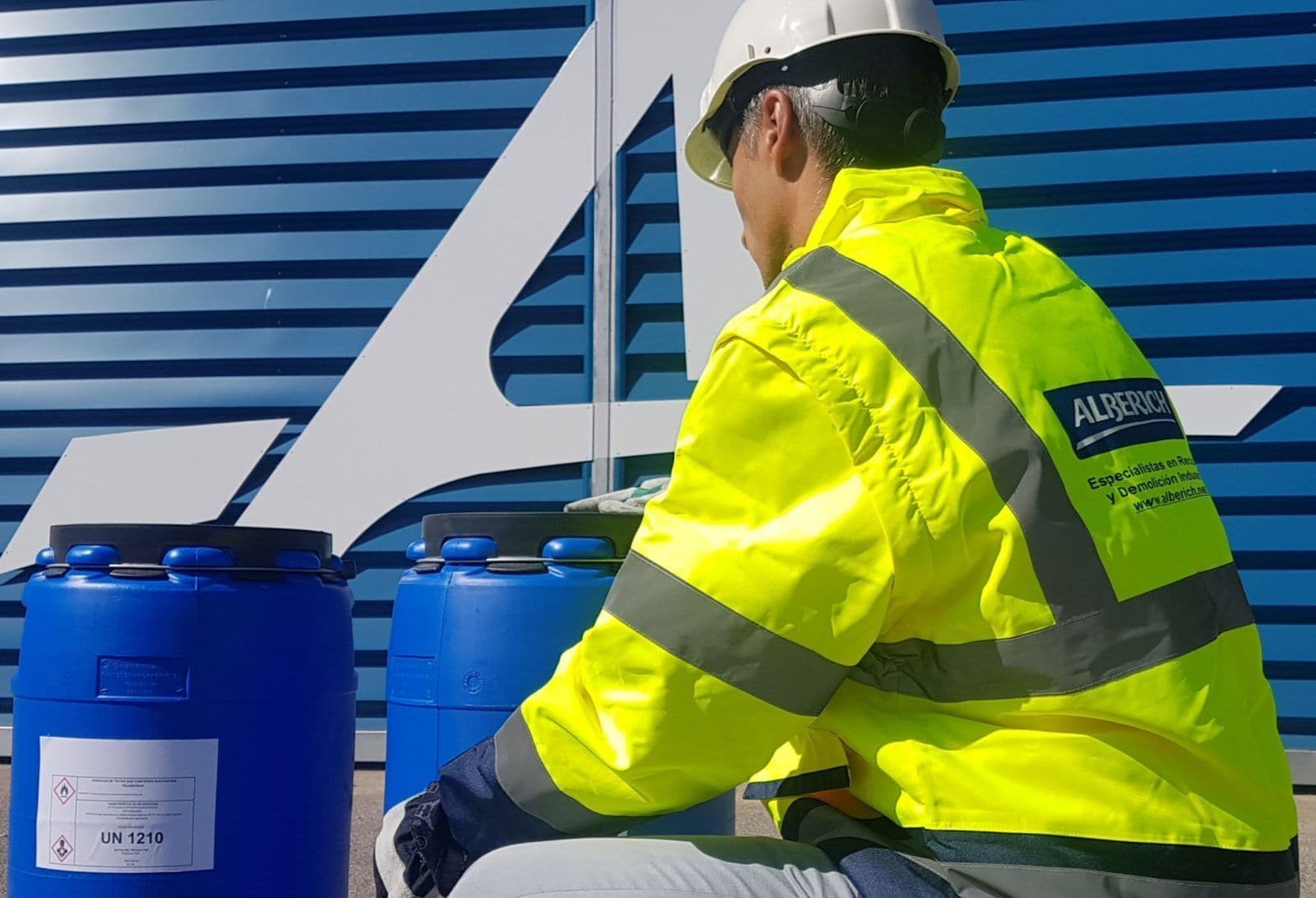
Alberich operative next to waste drums
Hazardous to non-hazardous reclassification
Fine chemicals · Latex glove manufacturer
The challenge

A liquid waste containing formaldehyde classed as hazardous, with the unfavourable environmental rating that this implies for the customer’s ISO certifications.

What we did

After the producer changed its formulation (replacing formaldehyde with an inert plant-based alternative), we proposed prior laboratory analysis and re-characterisation of the waste stream. We arranged acceptance with the alternative waste management company and updated all the regulatory documentation.

The outcome

Certified reclassification from hazardous to non-hazardous and an improved environmental indicator in the ISO 14001 report. The process is long – full non-hazard analysis and technical justification – but we got there.

H → NH
Reclassification
ANALYSIS
Non-hazardous status
ISO 14001
Improved indicator
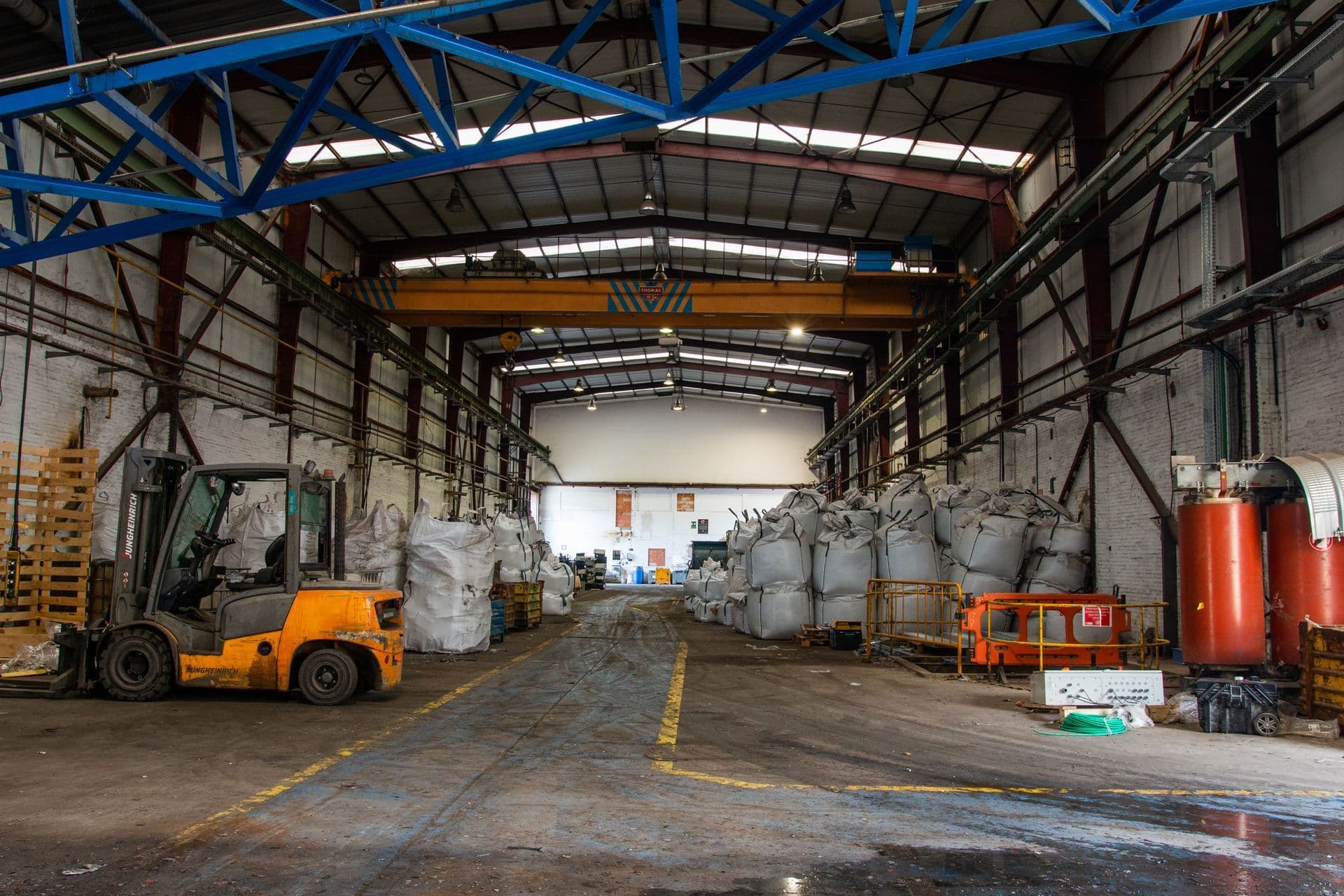
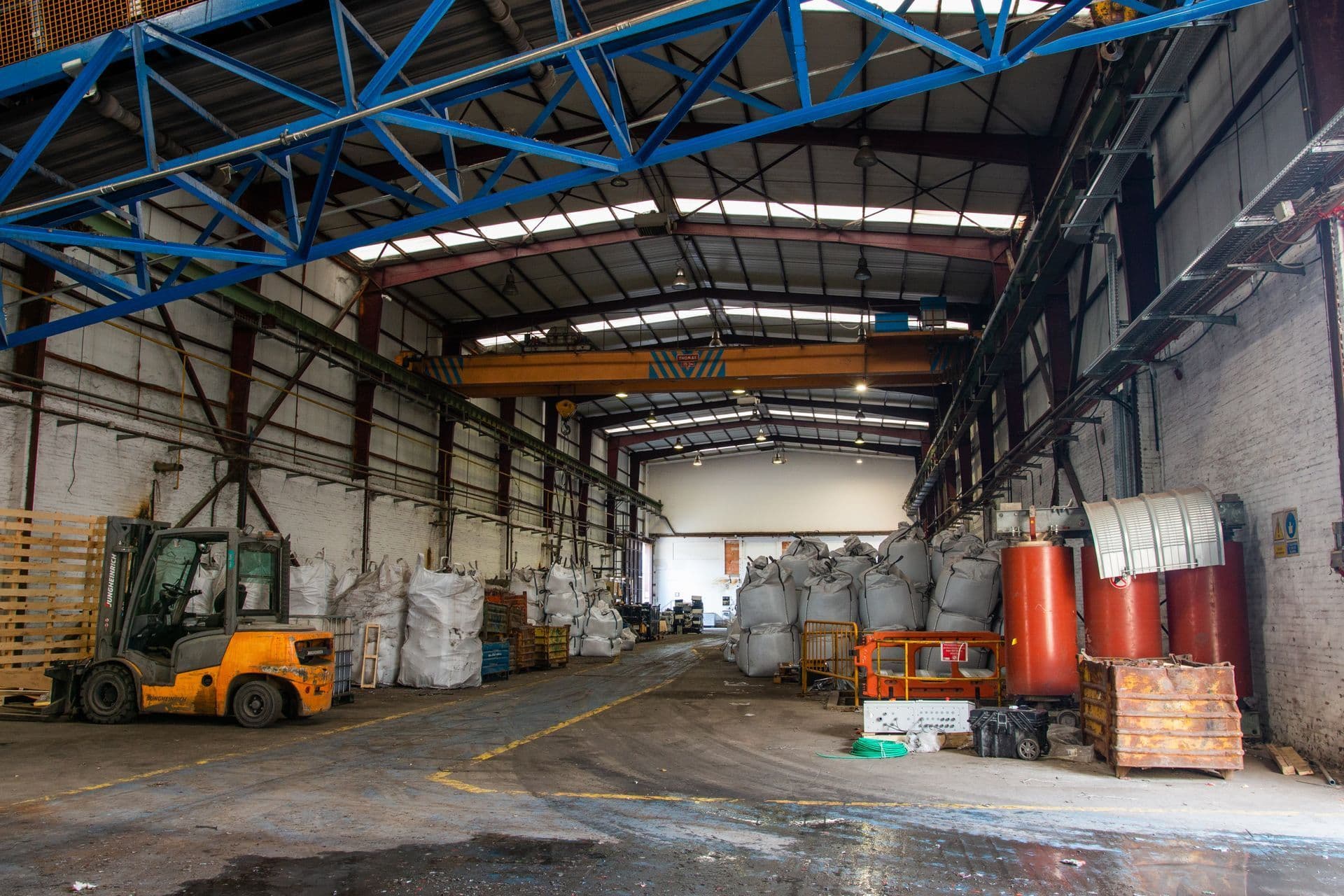
Waste storage building with bulk bags
Cost and destination optimisation
Industrial producer · Non-hazardous rejects
The challenge

The producer depended on a single destination, with the operational risk that brings if that destination changes its terms or stops being available.

What we did

A full benchmark of alternative approved destinations, reclassification of sub-streams by compatibility and negotiation of SLAs with two active destinations.

The outcome

More flexible loading times and guaranteed continuity of service, with two approved destinations active in parallel.

×2
Active destinations
SLA
Dual destination
0
Service disruptions
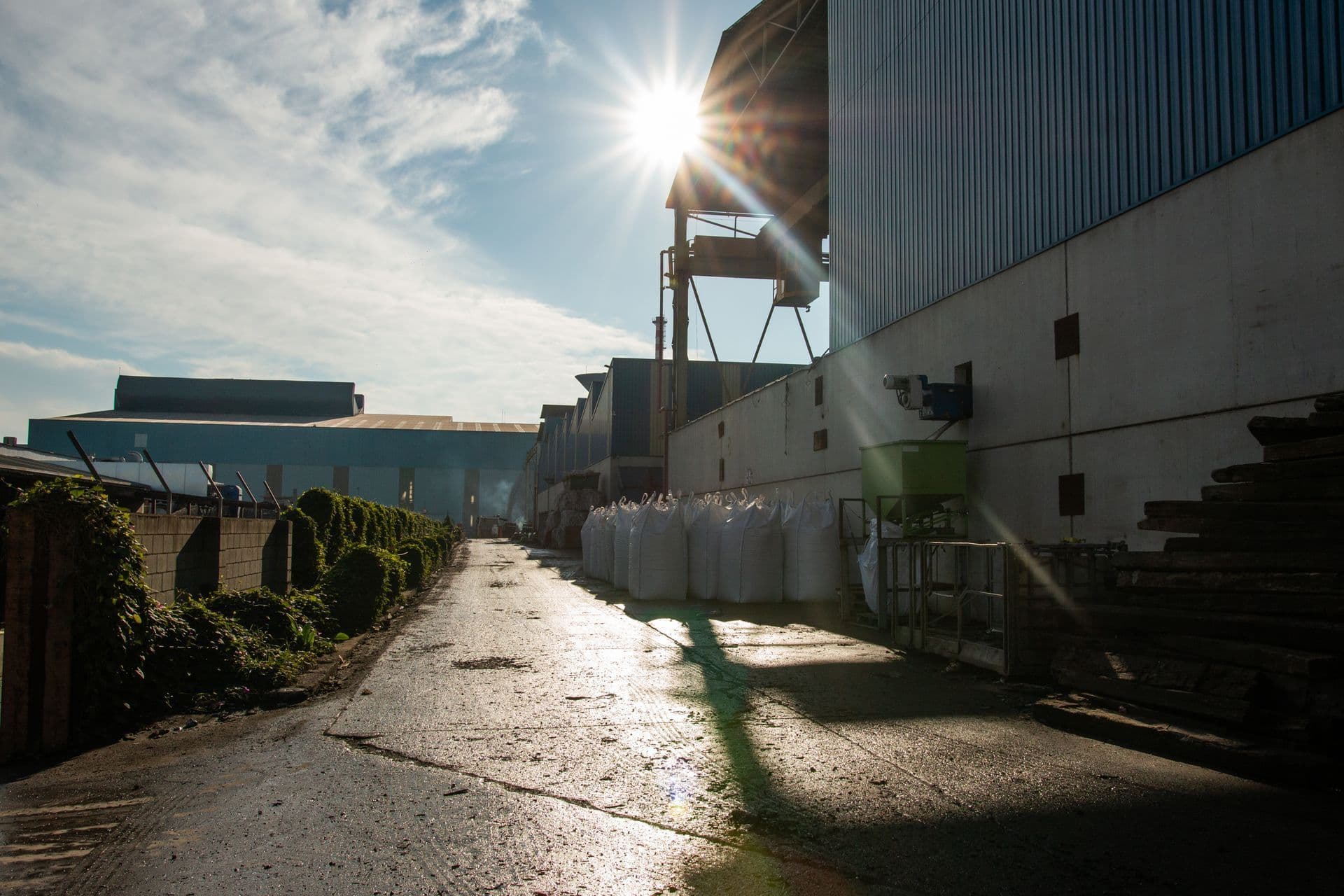
Roadway in the plant lined with bulk bags of sorted material
Scheduled recurring campaigns
Coatings chemicals · Planned shutdowns
The challenge

Cleaning drainage pits and lagoons containing hazardous waste in two campaigns a year (August and December), during planned shutdowns.

What we did

An annual collection plan with full ADR documentation. Coordination of tankers and technical crews. Work windows synchronised with the customer’s production shutdown.

The outcome

Zero incidents across consecutive campaigns. SLA met in full, with complete traceability per batch and per campaign. The annual contract renewed automatically.

0
Incidents
2/year
Campaigns
100%
SLA met
Logistics and traceability

Documentation that lets you reconstruct everything.

From the producer to the final destination. Every operator, every date, every stamp. Traceability is what separates a properly built case file from empty paperwork.

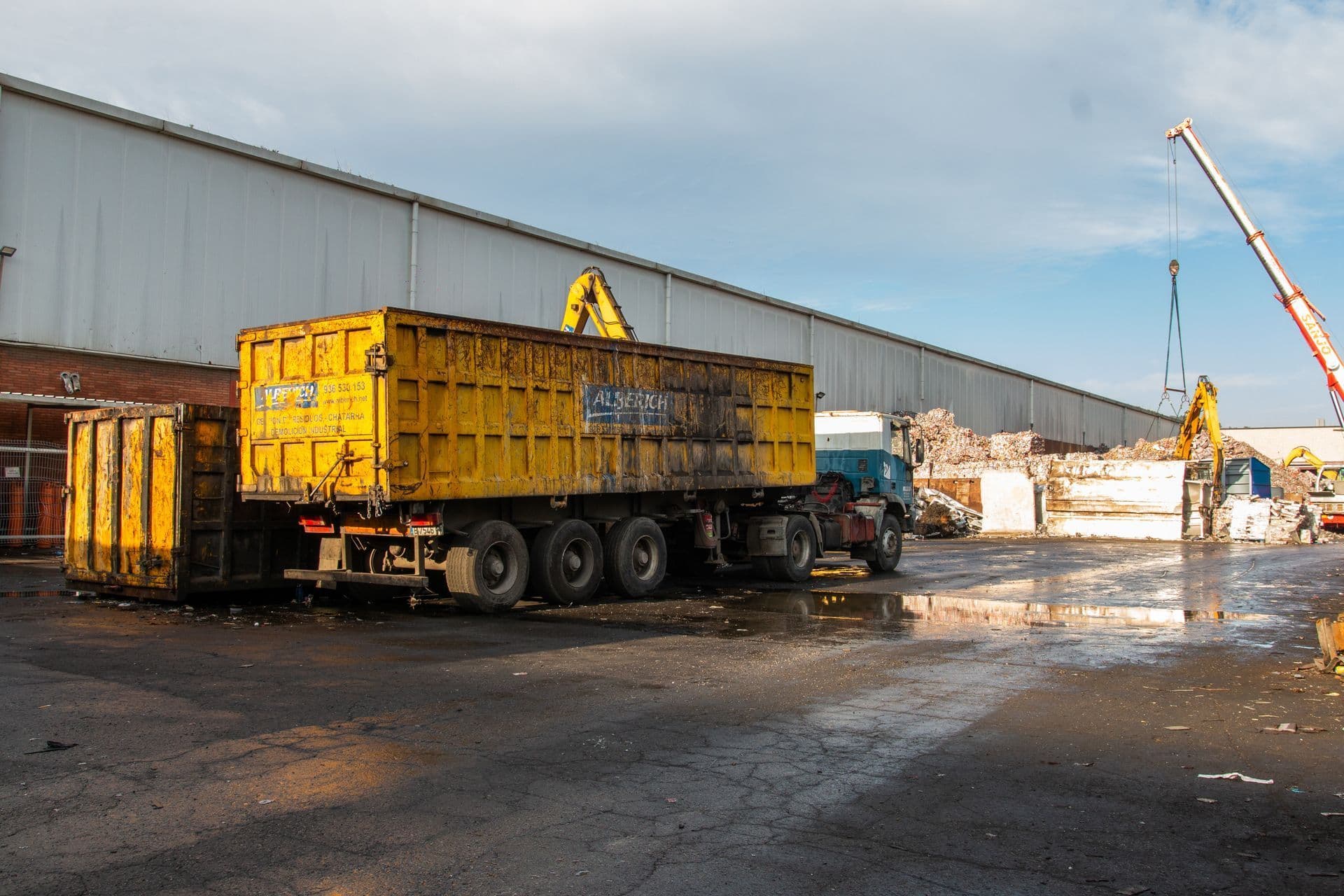
Alberich container lorries in the yard
Own fleet

Approved logistics equipment

/ 01
Tankers
For industrial liquids and solvents
Capacity matched to the volume of the waste stream
/ 02
Leak-proof containers
Sealed and ADR-approved
For hazardous liquid waste or sludge
/ 03
Bulk bags
Granular and powdery solids
Segregation by chemical compatibility
/ 04
Custom palletising
UN-approved packaging, strapped
UNE labelling and full signage
On-site preparation: UNE/ADR labelling, closures, shrink wrap and segregation by compatibility (acids and bases, flammables and oxidisers).

Non-hazardous waste

NH

Alberich is named on the documentation as the broker.

  • Prior notification to the final treatment facility
  • Signed acceptance agreement
  • Labelling, packing list and weighing
  • Proof of delivery and closure documents

Hazardous waste

H

The final treatment facility is named on the documentation. Alberich handles the commercial and operational coordination.

  • Waste acceptance form from the authorised waste management company
  • Accredited analysis where appropriate
  • Waste tracking sheet / identification document
  • Waste acceptance form and UNE/ADR labelling
FAQs

Your most common questions, answered.

If you have a more specific question about your waste stream or your industry, write to us and we’ll reply with the most suitable treatment route.

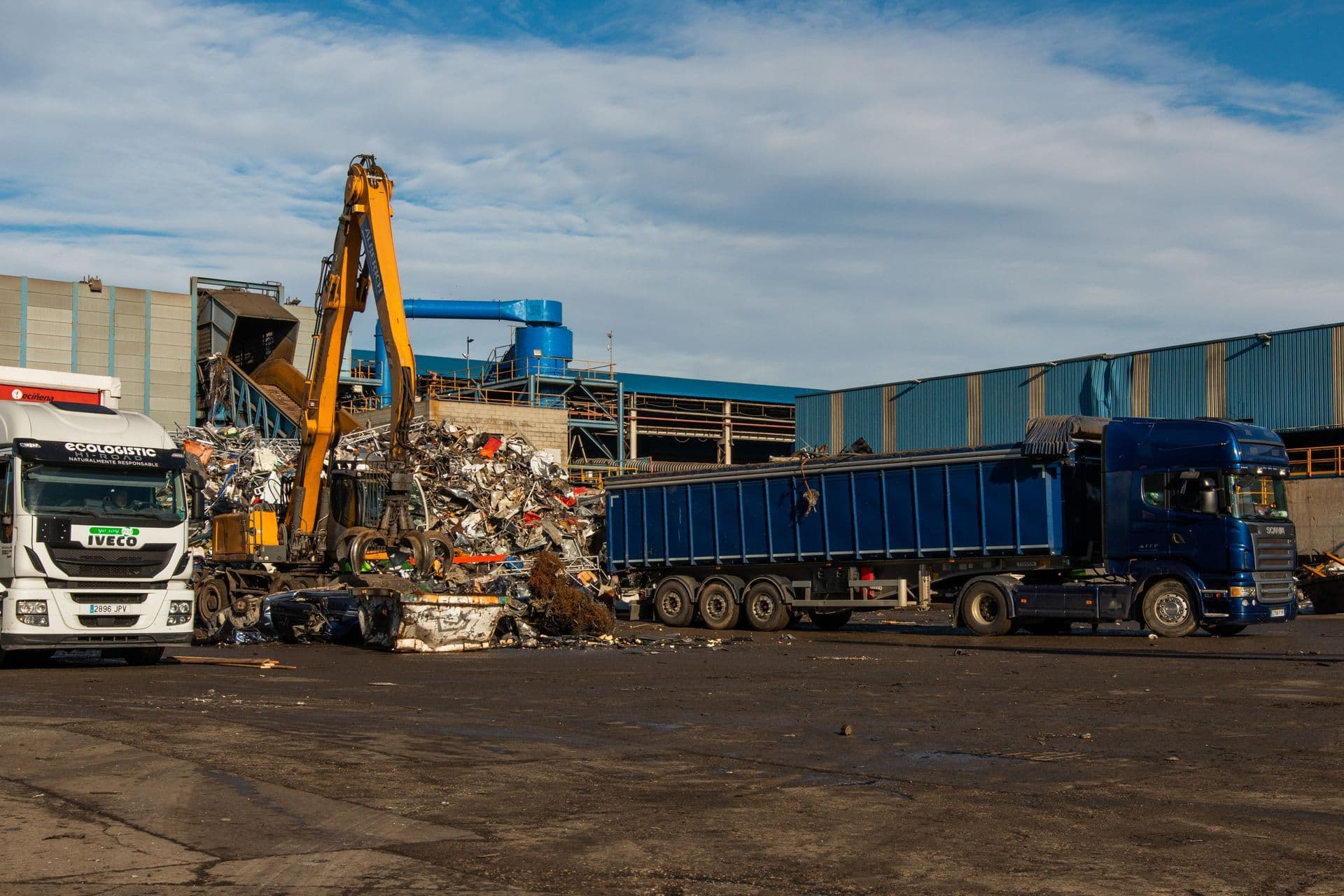
Crane loading scrap onto a lorry in the yard
End-to-end management

We’re not the final treatment plant, but we do manage the waste from start to finish: we’re a waste broker authorised by the Catalan Waste Agency (ARC), and we coordinate the treatment route, documentation and logistics for each waste stream. For hazardous waste, the final treatment facility is the one named on the documentation; for non-hazardous waste, we can be named as the broker.

Yes, as a broker. We arrange acceptance, ADR documentation and logistics. We don’t appear on the documentation as the waste management company because we don’t lodge financial guarantees for each individual EWC code – the guarantees are disproportionate unless you specialise exclusively in one particular waste stream.

Options. We’re not tied to a single destination, so we assess the best combination of technology, lead times and cost across multiple approved waste management companies, and we propose reclassification from hazardous to non-hazardous when it’s technically feasible.

We don’t handle permits, substantial modifications or remediation – that’s what specialist regulatory consultancies are for. What we do is take care of the operational side: defining the treatment route, processing reclassifications when they’re feasible and carrying out the whole operation.

It’s not our focus. Clinical waste needs autoclaving and highly specialised hospital circuits, run by operators such as Senur, Temea or CITRE. If the case calls for it, we can coordinate with them, but it isn’t part of our direct offering.

Catalonia. That’s where we have our three sites, our fleet and a documentation workflow built on the SDR, the Catalan Waste Agency’s online documentation system. Outside Catalonia the documentation framework is different, so we look at each case before committing.

Both. Many customers work with us on a recurring basis (monthly, two-monthly or quarterly collections). We also work in scheduled campaigns – for example, cleaning drainage pits and lagoons during planned shutdowns, typically in August and December.

It means demonstrating, through prior laboratory analysis and after a real change in the producer’s composition or process, that a hazardous waste meets the parameters to be non-hazardous. The benefits: a more favourable environmental rating for ISO certification and a wider range of more economical treatment options.

Let’s talk about your waste stream

Tell us about your case.
We’ll propose the route.

Send us a description of the waste, its volume and how often it’s generated. Our technical team will analyse the case and come back to you with a proposal including the EWC code, treatment route and a quote. No obligation.

Reply within 48 working hours
No obligation
ISO 9001 · 14001 · 45001
What to include in your enquiry
  • 01
    Description of the source process
    Industry, operation and type of waste
  • 02
    Estimated monthly volume
    In tonnes, litres or cubic metres
  • 03
    Physical state of the waste
    Liquid, solid, sludge, mixture, granular
  • 04
    How often it’s generated
    Recurring, scheduled campaigns or one-off
  • 05
    Current EWC code (if you know it)
    European List of Waste