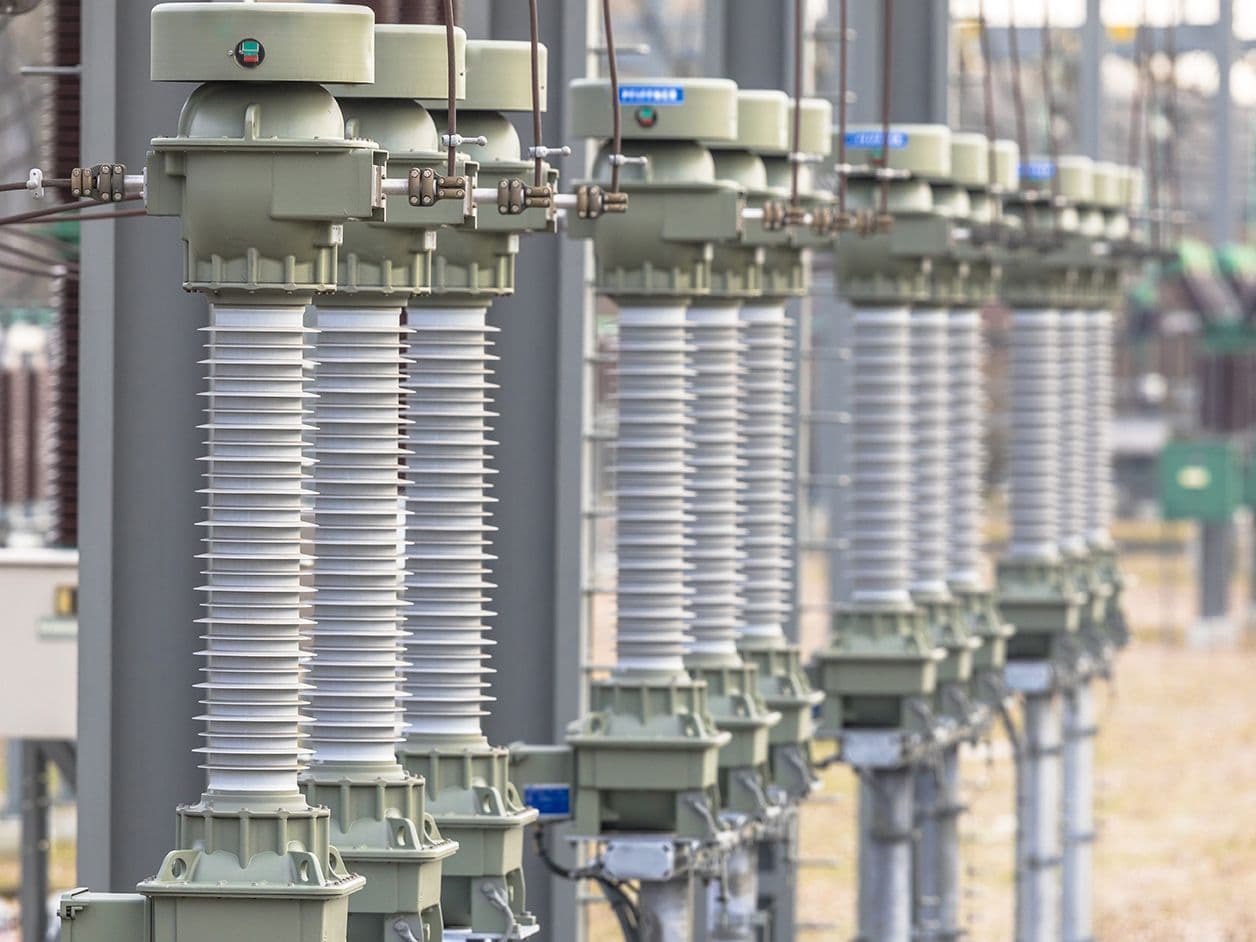
Metal recycling in the energy sector recovers the copper, aluminium and steel in cables, transformers, structures and plant equipment when they are replaced or decommissioned. Sustainable metal management in this sector rests on three things: separating each material at source, removing oils and hazardous components first, and documenting where each fraction ends up.
Utilities, power stations, combined heat and power (CHP) plants, electrical contractors and renewable energy sites generate high-quality metal, but it comes mixed with insulation, oils or very large components. Managed properly, that material goes back into industry as a raw material and, in many cases, it has value.
What metals does the energy sector generate?
Each type of installation leaves behind a different metal profile. These are the most common streams:
| Source | Main metals | What to bear in mind |
|---|---|---|
| Low- and medium-voltage cable | Copper or aluminium, with plastic insulation | Its value depends on the metal content of each type of cable |
| Transformers | Copper from the windings, steel from the casing and electrical steel laminations from the core | You need to know whether the unit contains oil and, if so, whether that oil contains PCBs |
| Substations, line supports and structures | Steel, often galvanised; copper and aluminium in busbars and connections | Large pieces that usually need cutting before they go for melting |
| Power stations and CHP | Carbon steel, stainless steel, copper and brass in boilers, turbines, pipework and heat exchangers | Heavy equipment that is dismantled on site |
| Wind and solar | Steel from towers and structures, copper from generators and cabling, aluminium from mounting structures | PV panels follow their own route as electrical waste; structures and cable follow the scrap route |
How does metal recycling work in the energy sector?
Copper
It is the most valuable metal in the sector and loses none of its properties when recycled. Cable is granulated to separate the copper from the plastic, and the resulting granules go back to wire-drawing mills and refineries. Recycling copper uses between 85% and 90% less energy than mining and refining it. We explain how it is processed step by step, and what affects its price, in how copper is recycled.
Aluminium
It is found in conductors, busbars, extrusions and structures. Recycling it saves up to 95% of the energy needed to produce it from bauxite, and the recovered material is remelted for new uses.
Steel
Towers, line supports, casings and structures are cut to the sizes steel mills require and melted in electric arc furnaces to make new steel. Transformer cores, made of silicon-steel laminations, are also recovered as good-quality scrap.
What does sustainable metal management mean at an energy site?
It means getting as much metal as possible back into industry, safely and with the paperwork in order. In practice, it follows these steps:
- Inventory. What equipment and materials there are, how much and where. For transformers, also the type, rating, year of manufacture and rating plate details.
- Prior decontamination. Dielectric oils and any hazardous waste are identified and managed separately before the metal is processed.
- Segregation at source. Copper, aluminium, steel and stainless steel go into separate containers. Clean, sorted metal is valued more highly than a mix.
- Documented transport. Every collection travels with its environmental paperwork, so the waste producer can prove where the material went.
- Recovery and close-out. The metal is processed and the file is closed with the supporting documents for each fraction.
Traceability is what turns a collection into a process that can be audited. If you want to look into this further, there is more detail in why traceability matters in industrial waste management.
What metal recycling solutions does Alberich offer the energy sector?
Each stream has its own processing line, with our own machinery and technology.
Electrical cable
We buy low- and medium-voltage cable, drums and offcuts left over from cable laying. At our granulation plant, connectors, brass, aluminium and lead are removed by hand, the cable is granulated and the plastic is separated from the metal by density. The copper undergoes spectrographic analysis as part of the process and leaves the plant as copper granules.
Transformers
Under waste management authorisation no. E-345.97, issued by the Catalan Waste Agency (ARC), we handle oil-filled transformers with and without PCBs, as well as dry-type transformers: opening the case file, laboratory analysis where needed, removal, treatment and recovery of the copper and steel. For units containing PCBs, we act as a transfer station (T62) and final destruction is carried out by an authorised final treatment facility. The full process is set out in electrical transformer management and recycling.
Large structures and equipment
Our 600–1,000 t shears cut structures, line supports and heavy equipment to the sizes steel mills require, and the 4,000 hp shredder processes complex material that arrives with contaminants. When a power or CHP plant has to be decommissioned, our energy sector demolition team handles the dismantling of boilers, turbines, stacks and transformers and the management of all the material.
Heat exchangers and radiators
The radiator line that came into operation in 2026 separates the copper from the aluminium in mixed heat exchangers and air-conditioning coils, so that value can be recovered from each metal separately. There is more information on the aluminium and radiator plant page.
For logistics, we place 1–30 m³ containers at the customer’s site and collect them with our own fleet.
Frequently asked questions
Does Alberich recycle solar panels?
No. PV panels follow their own management route as waste electrical equipment, and Alberich does not accept them. The metal in the installation, such as steel or aluminium mounting structures and cable, is handled as scrap.
Do I have to pay to have used cable removed, or can I sell it?
Normally you sell it. Cable is valued on its metal content and can be bought at spot price or paid on the actual copper yield after granulation. The price depends on the metal’s market price, the type of cable and how clean it arrives, so the best approach is to request a valuation with photos and quantities.
What information do you need to value the material?
What the material is, an approximate quantity, photos, and the location and how it can be accessed. For transformers, also the type (oil-filled or dry-type), the rating, the year of manufacture, the rating plate details and the oil analysis if you have it.
Do you collect transformers outside Catalonia?
Our authorisation is issued by the Catalan Waste Agency and we work mainly in Catalonia, with our own fleet based in Castellbisbal. Operations outside Catalonia are assessed case by case, depending on volume.
If your site is about to replace cable, change out transformers or dismantle equipment, tell us what the material is, how much there is and where it is. We’ll reply within 48 working hours.


