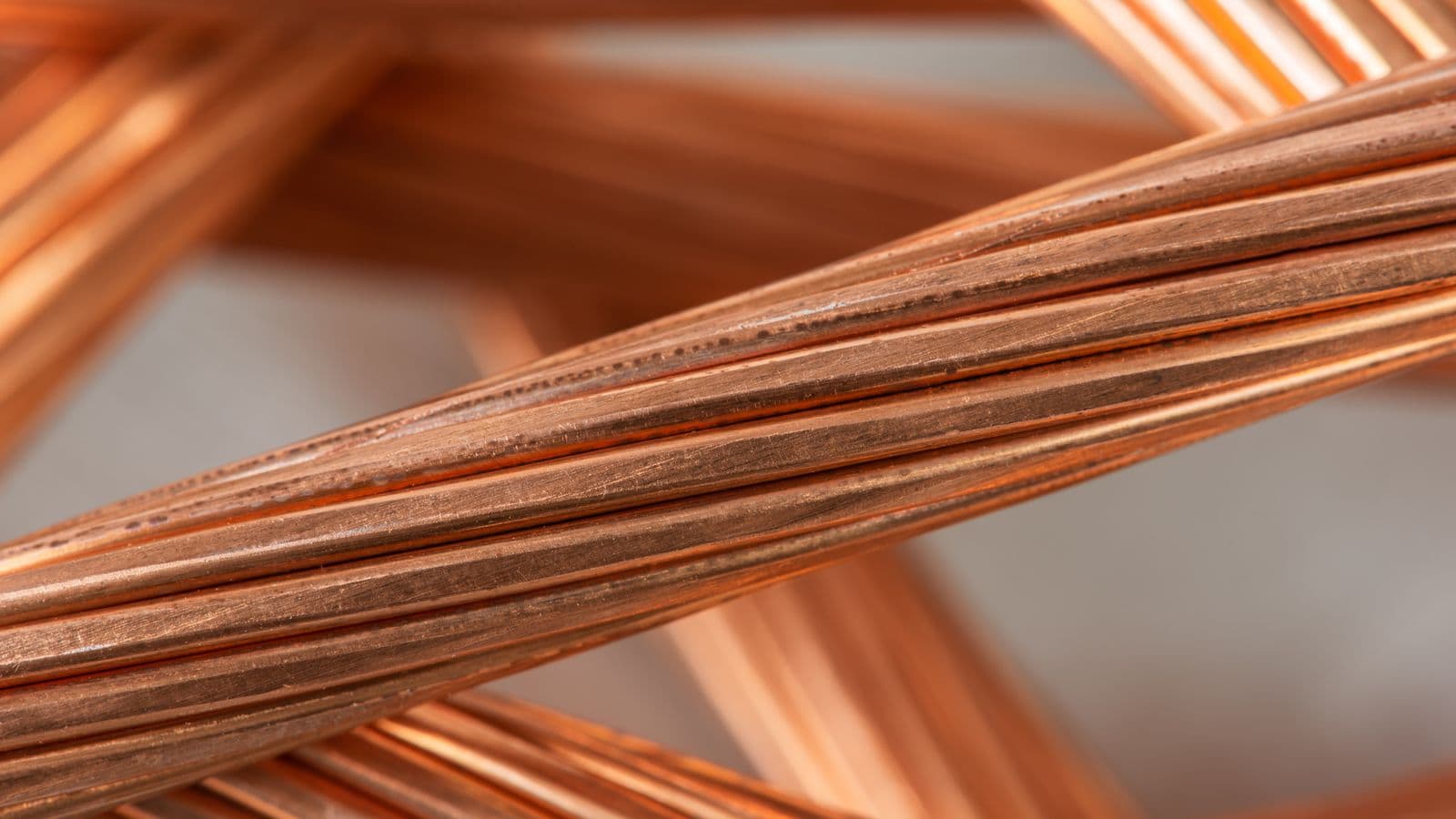
The future of metals lies in producing them with lower emissions and less reliance on mining, and that puts scrap at the centre. European steelmaking is moving towards the electric arc furnace, which runs mainly on scrap, and the energy transition needs ever more copper and aluminium, two metals whose recycling uses a fraction of the energy of primary production. For a recycling company, the challenge is no longer just collecting metal, but delivering it clean, sorted and traceable.
What follows are not predictions but trends that are already under way, and what they mean for anyone who generates, sells or buys scrap.
Why has scrap become a strategic raw material?
Because it is metal Europe already has within its borders. European industry relies heavily on imported ores, while structures, cables, vehicles and appliances reaching the end of their useful life contain tonnes of steel, aluminium and copper ready to be melted down again.
The EU Critical Raw Materials Act, adopted in 2024, lists copper and aluminium among the strategic raw materials and sets a benchmark for the EU’s recycling capacity to cover at least 25% of its annual consumption of these materials by 2030. In Spain, Law 7/2022 on waste and contaminated soils points in the same direction: it prioritises recycling over disposal.
How is decarbonisation changing the way steel is made?
Steel is made by two routes. The blast furnace starts from iron ore and coal; the electric arc furnace, from scrap melted with electricity. The second emits far less CO₂ per tonne, which is why the decarbonisation plans of European steelmakers involve expanding it. In Spain it is already the dominant route.
More electric arc furnace steel means more demand for scrap, but also higher standards. Copper, for example, can’t be removed during melting and builds up in the new steel: if scrap arrives with copper in it, the steel loses mechanical properties. That’s why steel mills prize scrap that is low in residual elements, and why, in the future of metals, sorting counts as much as volume. We follow ferrous scrap from start to finish in ferrous scrap: far more than waste.
Which metals does the energy transition need?
Copper and aluminium, above all. Power grids, wind and solar farms, charging points and electric vehicles use large amounts of both in cables, windings and structures.
Recycling aluminium saves up to 95% of the energy needed to produce it from bauxite, and recycling copper uses between 85% and 90% less energy than mining and refining it. The more secondary metal enters the supply chain, the less energy the transition itself costs. We look at which metals come out of energy installations and how they are recovered in metal recycling in the energy sector.
What is expected of scrap today?
Steel mills, foundries and refineries want more and more detail about what they buy. These are the four requirements that carry most weight:
- Known composition. Analysis that guarantees the alloy and residual elements of each lot.
- Radiological safety. Radiation monitoring of material entering and leaving the plant.
- Traceability. Knowing where the material comes from and being able to prove it with documentation.
- Separation of complex streams. Vehicles, electrical equipment, radiators and cable combine metals that have to be separated so that they are paid for as metal rather than as a mix.
Price responds to the same variables, plus international prices, quantity and logistics. We discuss how price volatility affects those who buy and sell metal in the impact of metal prices on industry.
What role does a recycling company play in the future of metals?
‘Metal recycling is a substitute for mining. It means closing the loop on products.’
— Alberich senior management
Our job is to turn metal waste into raw material that a steel mill or a foundry can charge into the furnace without surprises. The 4,000 hp shredder in Castellbisbal and the 600–1,000 t shears prepare ferrous scrap, including a low-residual scrap line for special steels and demanding foundries. Non-ferrous metals are separated by eddy current, X-ray and colour sorting, copper is checked by spectrographic analysis, and material undergoes radiation monitoring on the way in and on the way out. In all, more than 300,000 tonnes a year.
The company’s latest investments are heading in the same direction as the market:
| Year | Investment | What it’s for |
|---|---|---|
| 2024 | New shear at the main yard and a shredding mill for metals | More cutting and shredding capacity |
| 2025 | Solar panels at the main yard and expansion of the cable plant | Reducing our own carbon footprint and processing more cable |
| 2026 | Aluminium-copper radiator recycling plant and a new shear at the Constantí site (Tarragona) | Paying as metal for what used to be sold as a mix, and adding cutting capacity |
| 2027 (planned) | Upgrade of the shredder residue (fluff) treatment plant | Separating and recovering more of what is left after the metals are taken out |
To see what comes off those lines, the metals we sell section has a specification sheet for each product.
Frequently asked questions
Can a metal be recycled indefinitely?
Steel, aluminium and copper can be remelted again and again without losing their essential properties. The condition is that they arrive properly separated: a metal mixed with others carries impurities that, in the case of steel, can no longer be removed during melting.
Will scrap prices go up?
Nobody can say for certain. Prices depend on international benchmarks, such as the LME for non-ferrous metals, on demand from steel mills, on the exchange rate and on the grade of each lot. What is in your hands is the part that depends on the material: the cleaner and better sorted it is, the higher it is valued.
What can a company do to make its scrap worth more?
Separate it by family (ferrous, aluminium, copper, stainless and cable), keep out contaminants such as plastics, wood or soil, and don’t mix cable with other metals. One container per material, of the right size, is usually enough to make a noticeable difference.
If your business generates metal and you’d like to know how it fits into this cycle, tell us what material you have and how much. We’ll get back to you within 48 working hours.