Glass recycling means melting it down again: the glass is collected separately, cleaned of contaminants, crushed into cullet (broken waste glass) and melted with sand, soda ash and limestone to make new containers. If it is properly separated, container glass can be recycled again and again. Alberich doesn’t recycle glass, but glass often ends up mixed with scrap metal (in windows, doors or metal furniture), so it’s worth explaining where each material goes.
How is glass recycled, step by step?
- Separate collection. Container glass goes into the bottle bank (in Spain, the green street container for glass); flat glass and glass from building work follow other routes.
- Removing contaminants. At the treatment plant, metal caps and lids are removed with magnets and non-ferrous separators, and labels, corks, plastics and pieces of ceramic are taken out by hand or with optical systems.
- Crushing. The clean glass is crushed into cullet.
- Melting. The cullet is mixed with virgin raw materials and melted in furnaces operating at temperatures of around 1,500 °C. The more cullet in the mix, the less raw material and energy are needed.
- Forming. The molten glass is moulded into new bottles and jars.
Here’s a curious detail: in a glass plant, metal is one of the contaminants that have to be removed. In a metals plant, it’s exactly the other way round. Each material only recycles well when it arrives separated from the other.
What glass goes in the bottle bank and what doesn’t?
Not everything that looks like glass can be recycled together. These are the most common questions:
| Material | Where it goes | Why |
|---|---|---|
| Bottles, jars and small glass containers | Bottle bank, without lids or caps | It is container glass, which is what the plant accepts |
| Drinking glasses, wine glasses and jugs | Household waste recycling centre or general waste | They have a different composition and melt at a different temperature |
| Ceramics, porcelain and earthenware | Household waste recycling centre or general waste | They don’t melt in the furnace and cause defects in the new glass |
| Mirrors and window glass | Household waste recycling centre | It is flat glass, which has its own recycling route |
| Fluorescent tubes and LED lamps | WEEE collection point | They are WEEE (waste electrical and electronic equipment); fluorescent tubes also contain mercury |
A single piece of ceramic in a batch of cullet can spoil a whole run of bottles, which is why glass plants are so strict about contaminants.
How is flat glass from building work and windows managed?
Glass from windows, shower screens and façades doesn’t go in the bottle bank. On a construction or demolition site, it is a separate stream: Spain’s Law 7/2022 on waste and contaminated soils requires construction and demolition waste to be separated into at least wood, mineral fractions, metals, glass, plastic and gypsum. We explain this in our article on the new selective demolition law.
For flat glass to be recyclable, it has to arrive clean, with no frames, seals or traces of silicone. Laminated glass, which has a plastic interlayer, needs specific treatment to separate the two layers. All of this is handled by an authorised waste management company for that stream. Our article on recycling construction materials covers the other waste streams from a building site.
Why shouldn’t glass be mixed with scrap metal?
Because the glass is lost and the scrap is spoiled. Specifically:
- It is a contaminant. When a batch of scrap is valued, anything that isn’t metal is deducted. The more glass, the lower the price.
- It is lost as glass. In the shredder it breaks into small pieces that end up in the residual fraction: it can no longer be recycled as glass, and it adds to the rejects that have to be managed.
- It complicates melting the metal. For the steel mill, any non-metallic material that gets into the furnace only adds slag.
- It is a handling hazard. Broken glass turns up during unloading and sorting, exactly where people are working.
Windows are the classic case. If you’re replacing windows and doors, separate the glass from the frame: clean aluminium extrusions, with or without a thermal break, are a material we buy, and they are valued much more highly without glass, seals or fittings made of other metals. We explain how the price is set in our article on scrap aluminium prices.
So what does Alberich recycle?
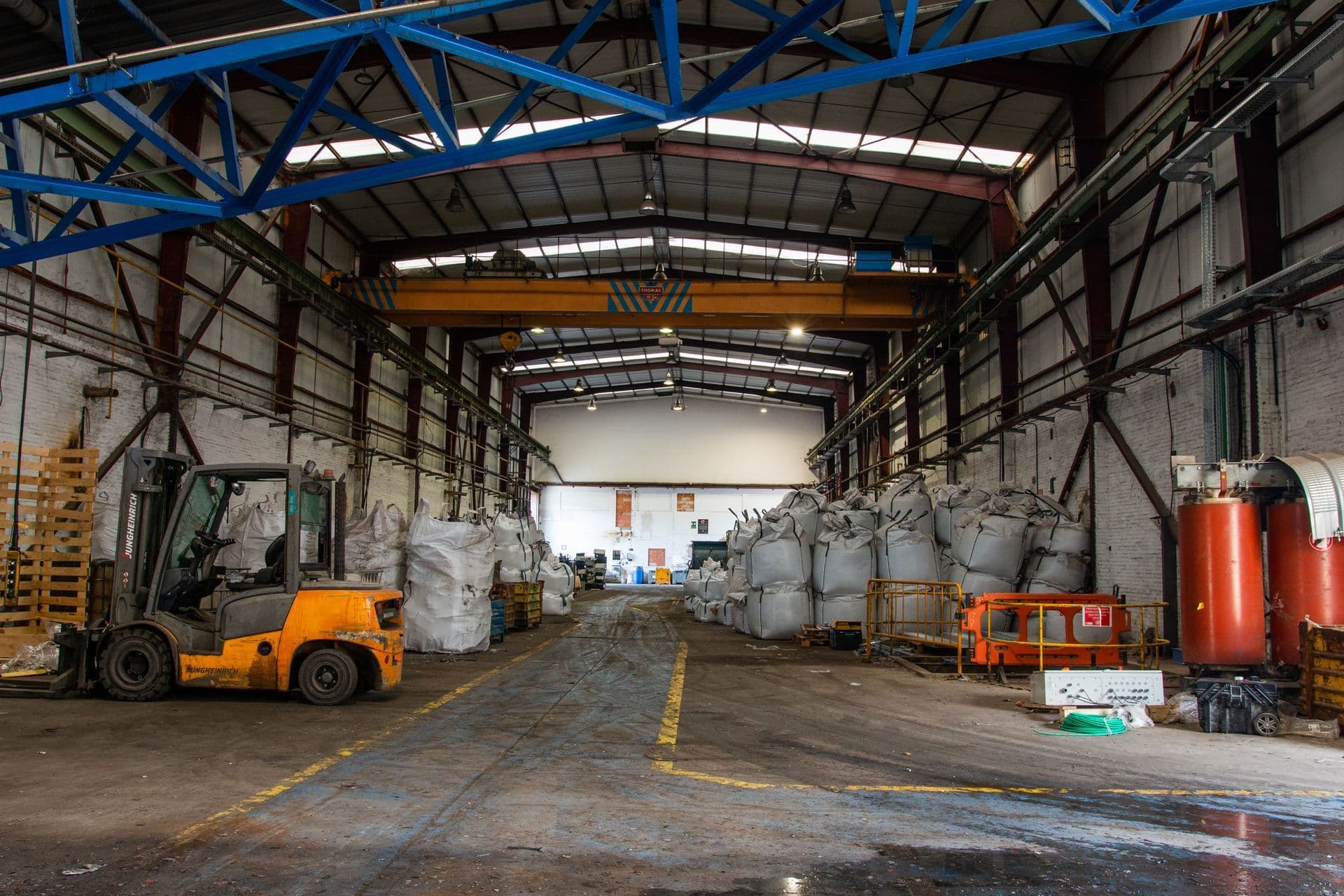
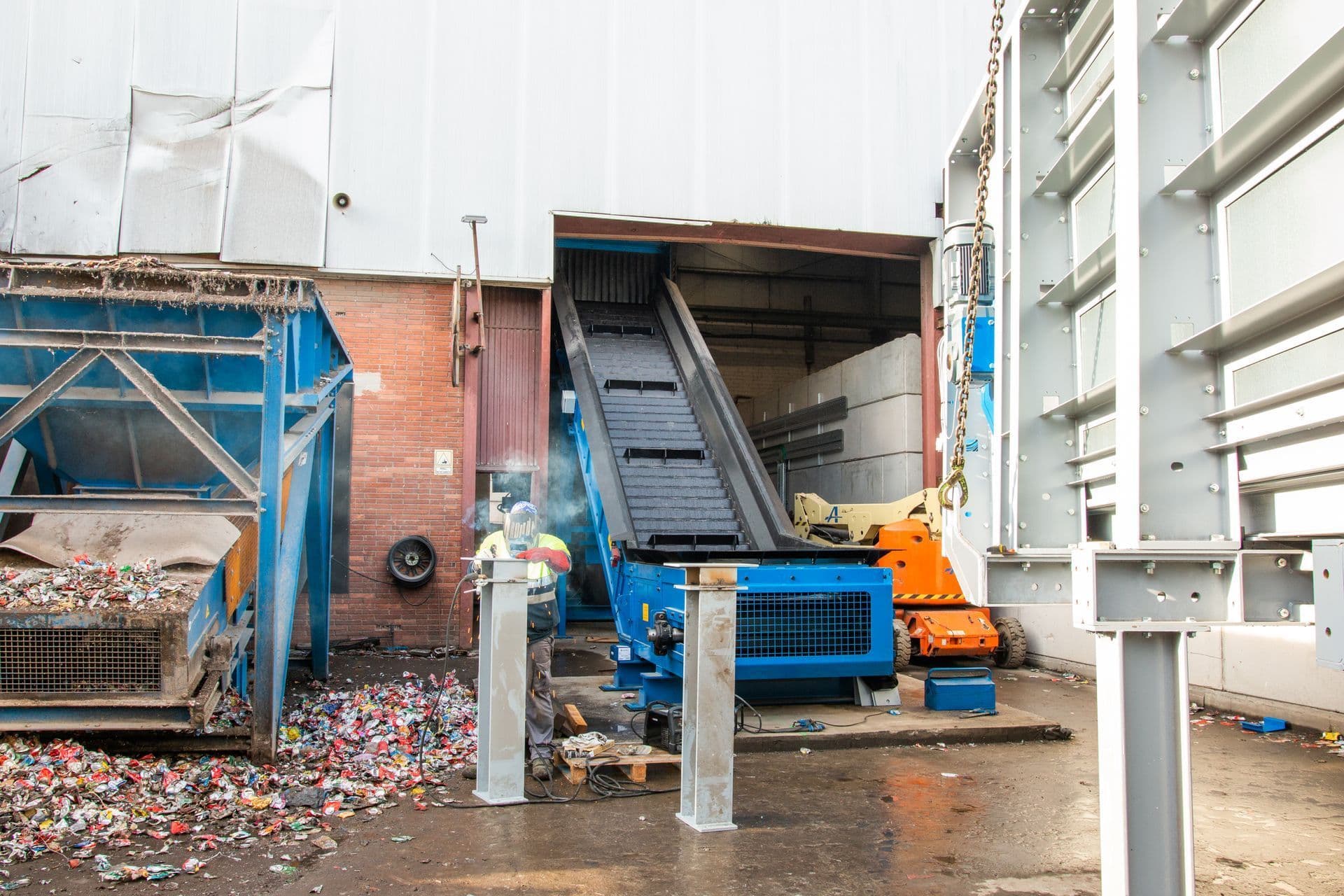
Our work focuses on metals and the equipment that contains them:
- Ferrous scrap and non-ferrous metals: iron, steel, aluminium, copper, brass, stainless steel, lead and zinc. We give the details in what we buy.
- Electrical cable, which is granulated to recover the copper.
- WEEE, at our authorised treatment plant (except solar panels and electric water heaters).
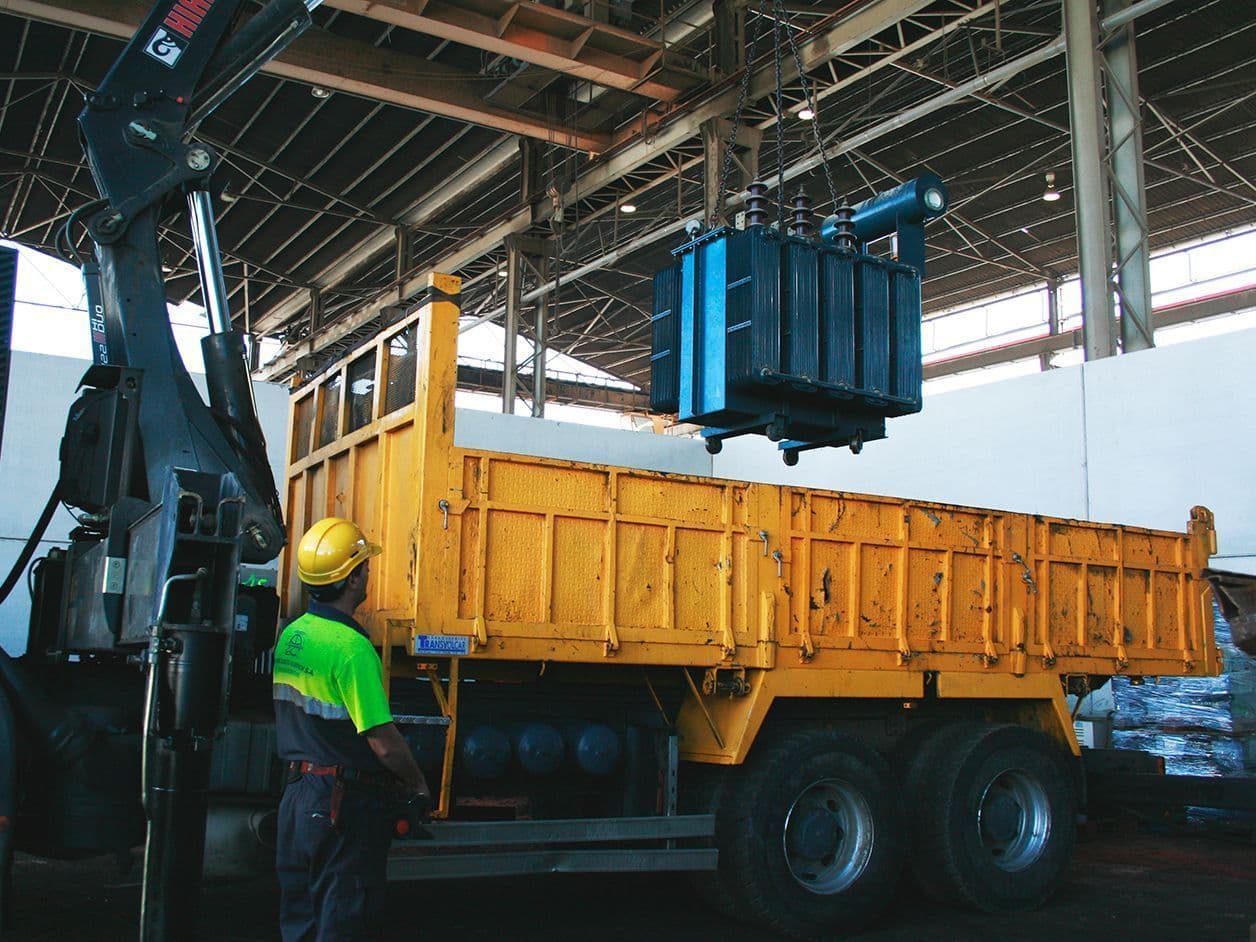
- End-of-life vehicles and electrical transformers, through our dedicated ELV and transformer services.
Container glass goes in the bottle bank; flat glass and glass from building work go to the household waste recycling centre or to the site’s authorised waste management company.
Frequently asked questions
Can glass be recycled indefinitely?
Container glass can be melted again and again without losing its properties, as long as it arrives clean and properly separated. What limits the cycle is not the material but the contaminants that find their way into collection.
Why can’t drinking glasses go in the bottle bank?
Because the glass in tumblers and wine glasses has a different composition and melts at a different temperature from container glass. It doesn’t blend properly in the furnace and causes defects in the new bottles.
Does Alberich recycle glass?
No. Our plants handle metals, WEEE, end-of-life vehicles and transformers. Container glass goes in the bottle bank, and flat glass or glass from building work goes to a household waste recycling centre or to an authorised waste management company for that stream.
What do I do with an old aluminium window?
Separate the glass from the frame. The glass goes to the household waste recycling centre or the site’s waste management company, and the aluminium extrusion, free of glass and seals, can be sold as non-ferrous scrap.
If you have aluminium windows and doors, cable or scrap mixed with other materials, tell us what it is and we’ll explain how to prepare it so that it fetches a better price.