Turning waste into profit rests on three levers: selling the waste that has a market value, above all metals; paying less for the waste that doesn’t, thanks to good separation; and cutting down what ends up as rejects. It doesn’t take a big investment. Almost everything comes down to separating properly at the point where each type of waste is generated and choosing the right destination for each stream.
Which waste can you turn into profit?
Waste that another industry can use again as raw material. In an industrial plant, these are the most common:
| Waste | Why it has value |
|---|---|
| Ferrous scrap: offcuts, structures, machinery, turnings | Steel mills use it as raw material |
| Copper and electrical cable | Copper is recycled without losing its properties |
| Aluminium: extrusions, turnings, castings | Remelting it uses far less energy than producing it from ore |
| Brass, bronze and stainless steel | Alloys that fetch a good price if they arrive separated |
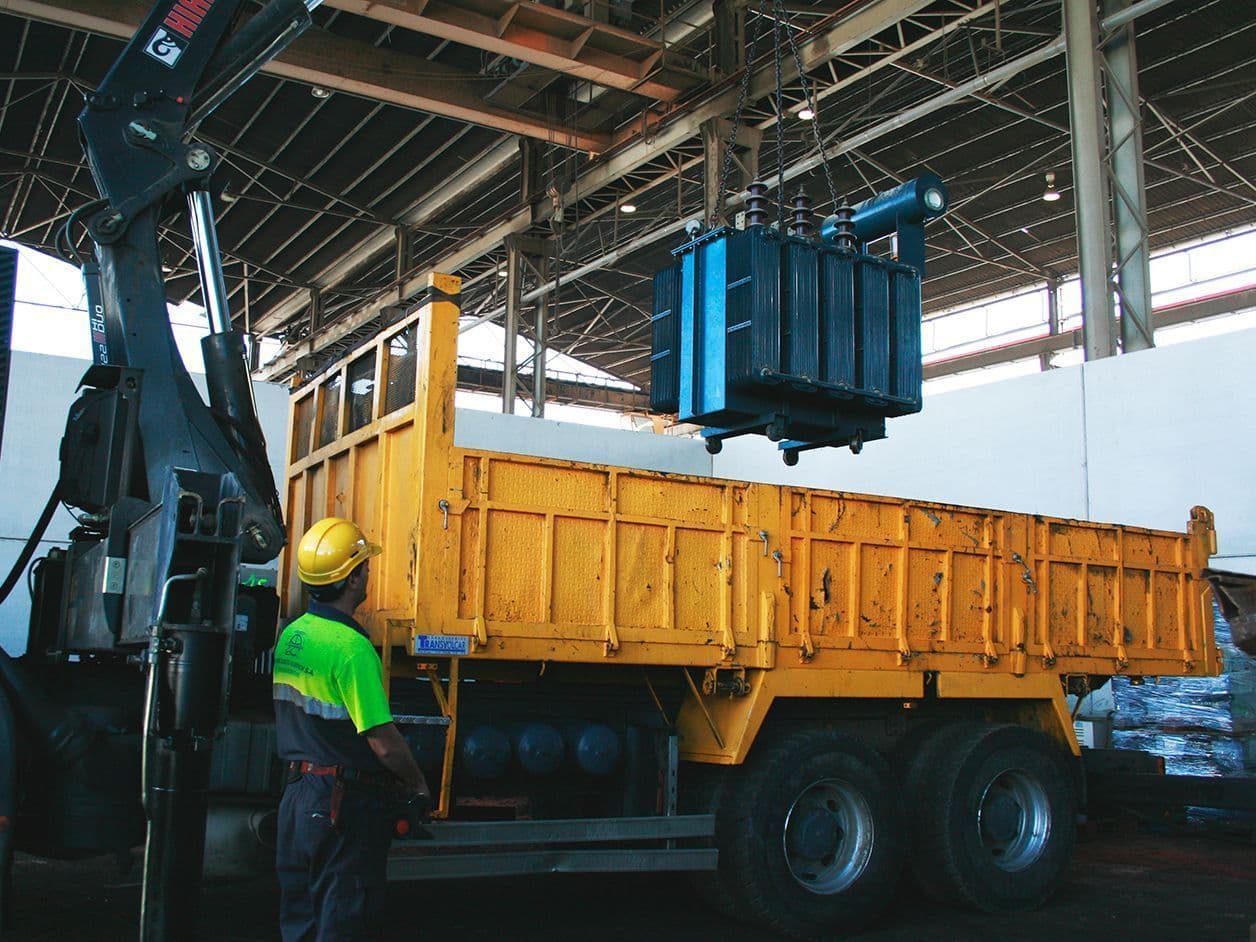
| WEEE and transformers | They contain recoverable steel, copper and aluminium |
Other materials, such as cardboard or some clean, separated plastics, may also find an outlet, although their value depends heavily on the market at any given time.
Why does separating at source change what you’re paid?
Because a mix is usually paid at the rate of its lowest-value component, or it has to go through a separation process that someone ends up paying for. Three common examples:
- Clean, unmixed copper is valued above cable with its insulation, and cable above a batch of cable jumbled up with other metals.
- Stainless steel that travels mixed with ferrous scrap is usually paid for as ferrous.
- Aluminium extrusions free of iron, screws and plastics are worth more than the same extrusions with contaminants.
The final price also depends on the metal’s price on the London Metal Exchange (LME), the grade and cleanliness of the material, the quantity and the logistics. That is why there are no fixed rates: each lot is valued individually. If you’re interested in specific metals, we explain what drives each price in our articles on how copper is recycled and scrap aluminium prices.
How can you pay less for waste that has no value?
- Don’t mix hazardous with non-hazardous waste. A tin with solvent residue in the general waste skip can mean the whole contents have to be managed as hazardous.
- Get container sizes and collection frequency right. An oversized container collected half empty multiplies the trips; a small one that fills up too soon leads to urgent collections.
- Compact bulky material. Baling light scrap at your premises reduces the volume to be transported.
- Review the destination of each stream. Sometimes there is a recovery route that costs less than disposal, or waste that can be reclassified from hazardous to non-hazardous after a laboratory analysis. That is the job of a waste broker.
Where do you start?
- Draw up an inventory of the waste you generate, with approximate volumes and frequencies.
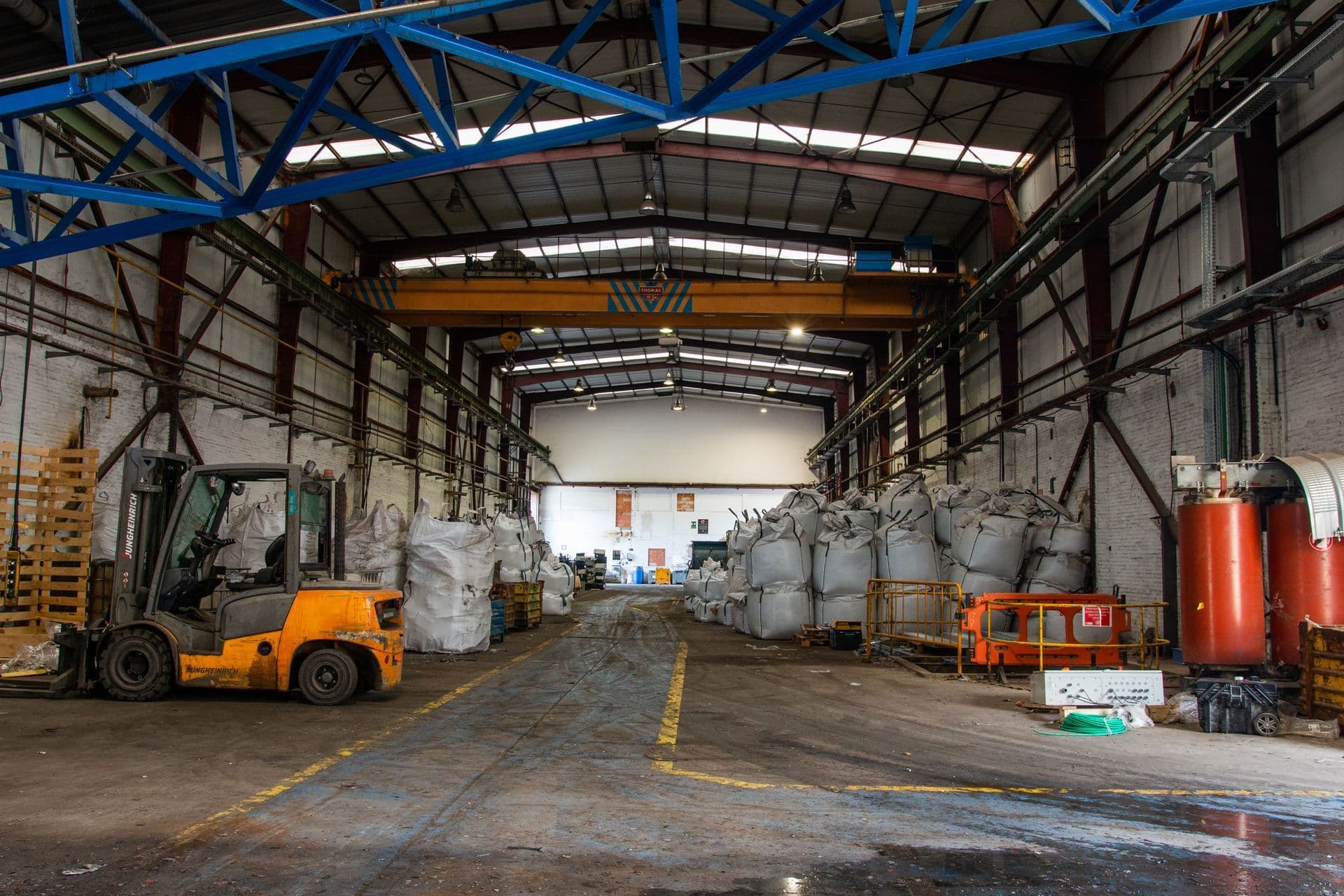
- Set up separation points on the shop floor, with a container and a sign for each stream.
- Separate the highest-value metals first, even if the volume is small.
- Ask a scrap metal recycler to value anything with a market value, and a waste management company or broker to quote for the rest.
- Review the results every few months: volumes, income, costs and rejects.
If your waste comes from a construction or demolition site, separation has its own rules; we go through them in our article on demolition waste.
How we do it at Alberich
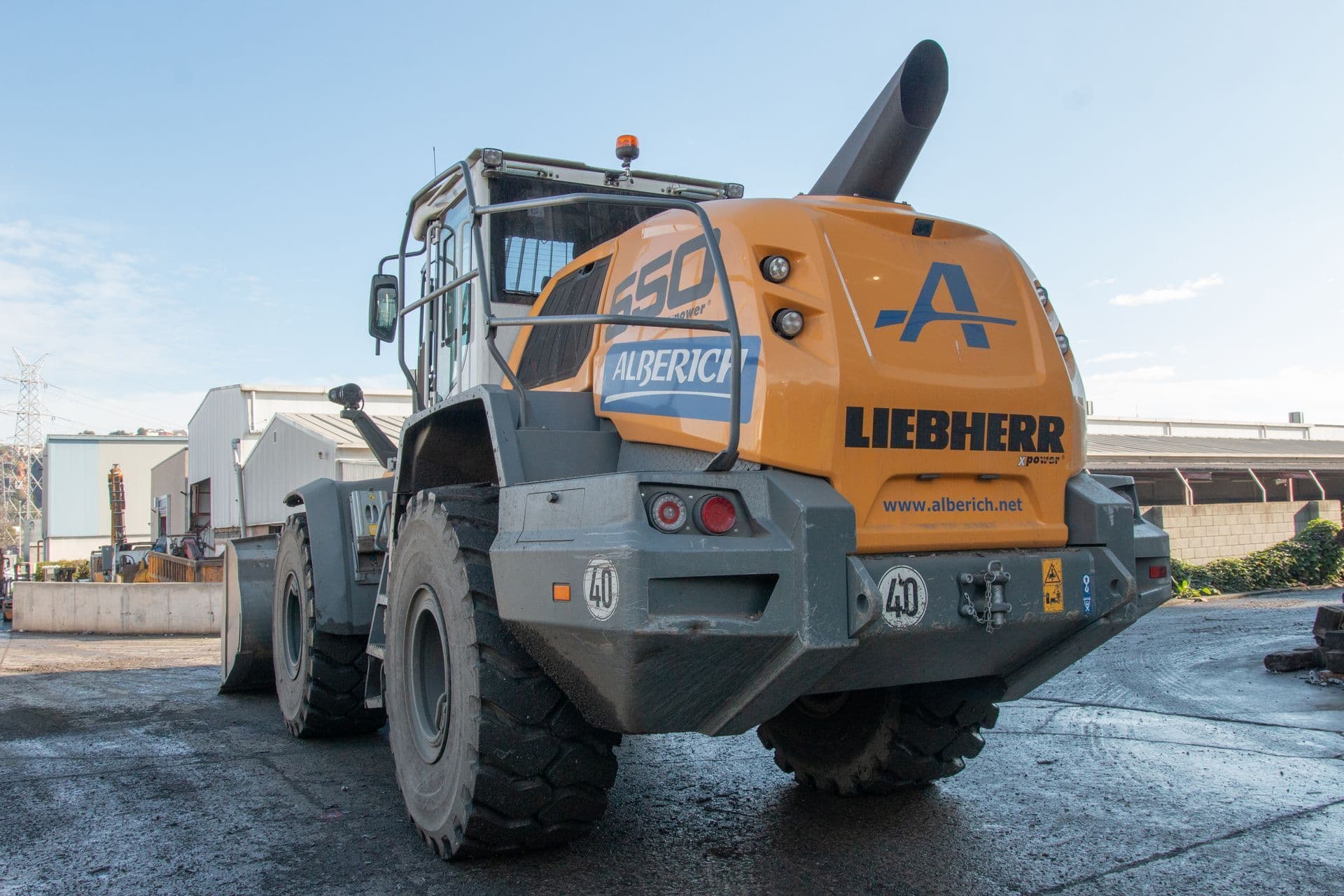
We buy ferrous scrap, non-ferrous metals, cable, aluminium, radiators, WEEE and transformers (you’ll find it all in what we buy) and we value each lot according to its grade and quantity. We place containers from 1 to 30 m³ at your premises and collect them with our own fleet; with our mobile balers, we can bale the material on site. For non-metallic waste we act as an authorised waste broker and find the most suitable destination among several approved waste management companies. We’ll get back to you within 48 working hours.
Frequently asked questions
Is it worth separating if I only generate small volumes?
With the higher-value metals, such as copper or brass, yes: even if it’s only a few kilos, they lose value when mixed. For small volumes, a bulk bag or a small container and less frequent collections are enough.
Who keeps the value of the scrap in a dismantling project?
The owner of the material, unless the contract says otherwise. In industrial demolition and dismantling, the value of the recovered scrap is often deducted from the quote, so it’s worth putting this in writing before work starts.
Do I need a permit to sell my metal waste?
As the company that generates it, no. What you do have to do is hand it over to an authorised waste management company and keep the proof of delivery for each consignment. That way, you can show where your waste went and account for the income in your books.
If you’d like to know what the waste you currently pay to have removed is worth, send us a list of what you generate and a photo of each material.