The three Rs (reduce, reuse and recycle) are an order of priorities: first generate less waste, then extend the life of what already exists and, only at the end, recycle whatever has no other use. In an industrial business, they translate into very specific decisions in purchasing, production, maintenance and scrap management. Here are examples of each.
What are the three Rs and why does the order matter?
The three Rs are the practical version of the waste hierarchy set out in Spain’s Law 7/2022 on waste and contaminated soils: prevention, preparing for reuse, recycling, other recovery and, as a last resort, disposal. The order makes economic as well as environmental sense.
Waste that is never generated doesn’t have to be stored, transported or documented. An object that is reused keeps almost all of its value. Recycling recovers the value of the material, but it requires collection, transport and processing. We explain the full framework in our article on what the circular economy is.
How can an industrial business reduce waste?
Reducing is the R that saves the most and the one that is least visible, because it is decided before the waste exists. Here are some common examples on the shop floor:
| Area | Measure | Waste it avoids |
|---|---|---|
| Sheet metal cutting | Optimise part nesting on laser, plasma or punching machines | Offcuts and trimmings |
| Purchasing | Ask for returnable or bulk packaging and avoid overpackaging | Cardboard, film and empty packaging |
| Stores | Rotate stocks of paints, adhesives and chemicals | Out-of-date product, which often ends up as hazardous waste |
| Machining | Filter and maintain cutting fluids | Metalworking fluids spent before their time |
| Maintenance | Preventive maintenance plans instead of repairing only when something breaks | Parts and equipment discarded prematurely |
None of these measures requires major investment. What they do require is measurement: knowing how many kilos of offcuts, packaging or out-of-date product leave each month, and from which department.
What can be reused in a factory?
Reusing means using an object again without transforming it, for the same purpose or a different one. In industry, there is more scope than you might think:
- Pallets and packaging: return them to the supplier or use them for your own shipments.
- Containers and IBCs: these can be reused if the product they held allows it. Packaging that has held hazardous substances has its own management route and should not be reused without being washed at an authorised facility.
- Machinery and tooling: before writing a machine off as scrap, consider whether it could be used on another line or by another company.
- Spare parts: strip out and keep the components that are still in good condition from equipment being taken out of service.
When none of that is possible, the machine, the structure or the offcut becomes scrap, and that’s where the third R begins.
How do you recycle your company’s metal waste properly?
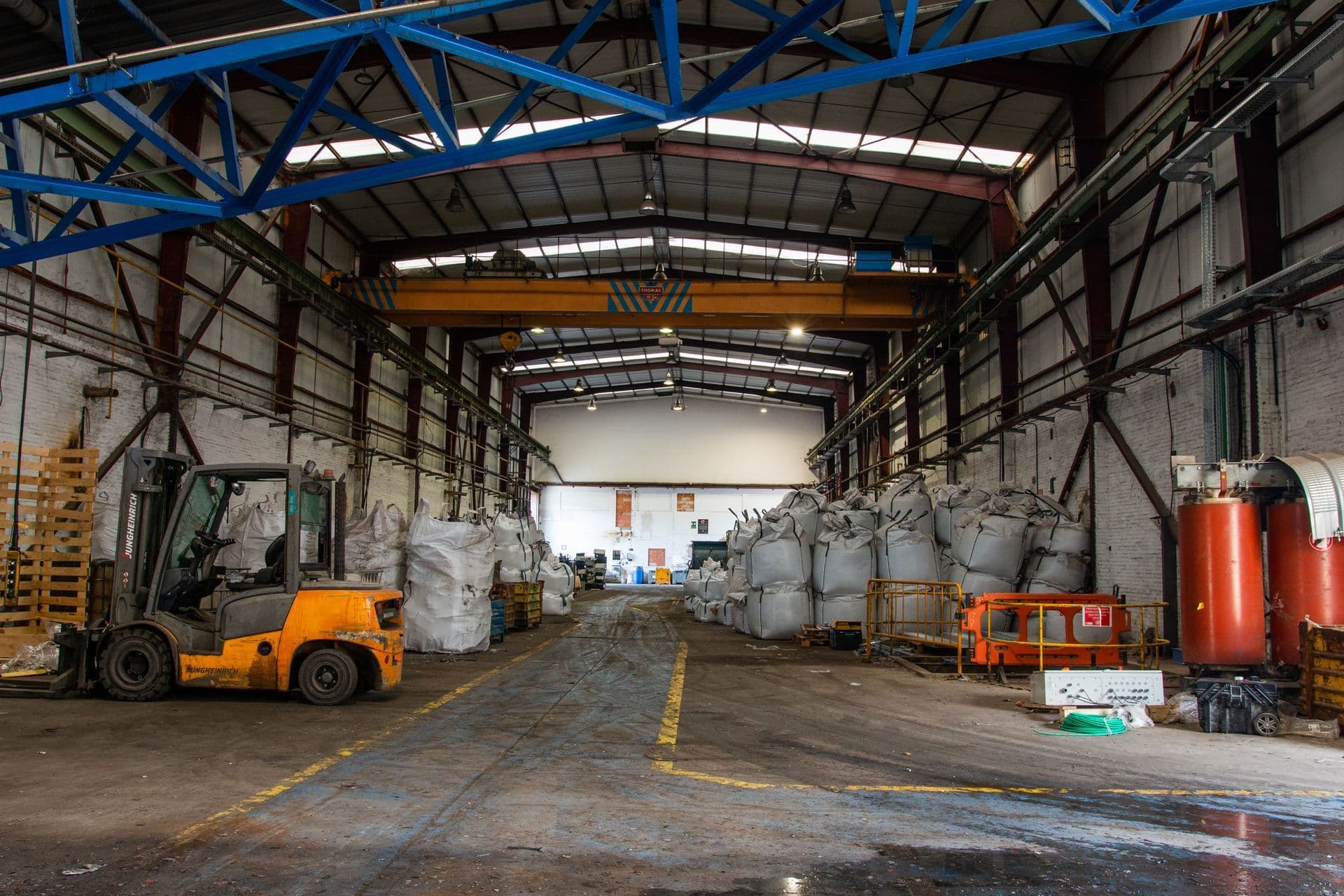
The rule is to separate at source. Clean, sorted metal recycles better and is valued more highly than the same quantity of mixed metal. This table sums up how to prepare the most common streams:
| Stream | Examples | How to prepare it |
|---|---|---|
| Ferrous scrap | Stamping offcuts, structures, machinery | Kept apart from non-ferrous metals and free of plastics, wood and soil |
| Turnings and swarf | Steel or aluminium machining | Drained of cutting fluid, with no mixing of metals |
| Copper and brass | Tube, coils, turned parts | Each metal kept separate: brass doesn’t go in with copper |
| Electrical cable | Installation offcuts and cable drums | Kept apart from everything else; valued on its copper content |
| Aluminium | Extrusions, alloy wheels, sumps | Extrusions kept apart from castings, because the alloy is different |
For more detail on ferrous metals, see how to recycle ferrous materials, and to find out what we accept from each family, see what we buy.
How does Alberich help you apply the three Rs?
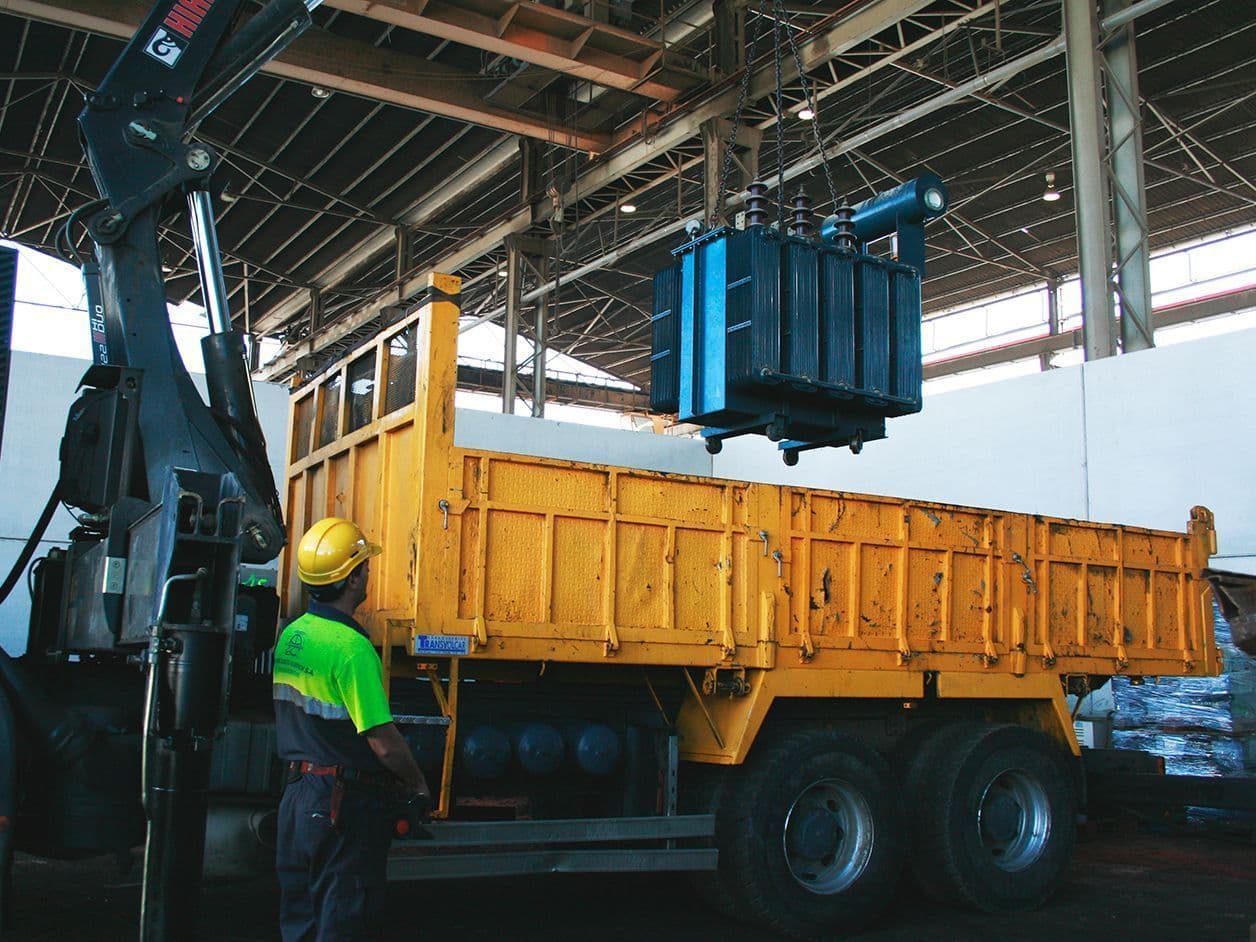
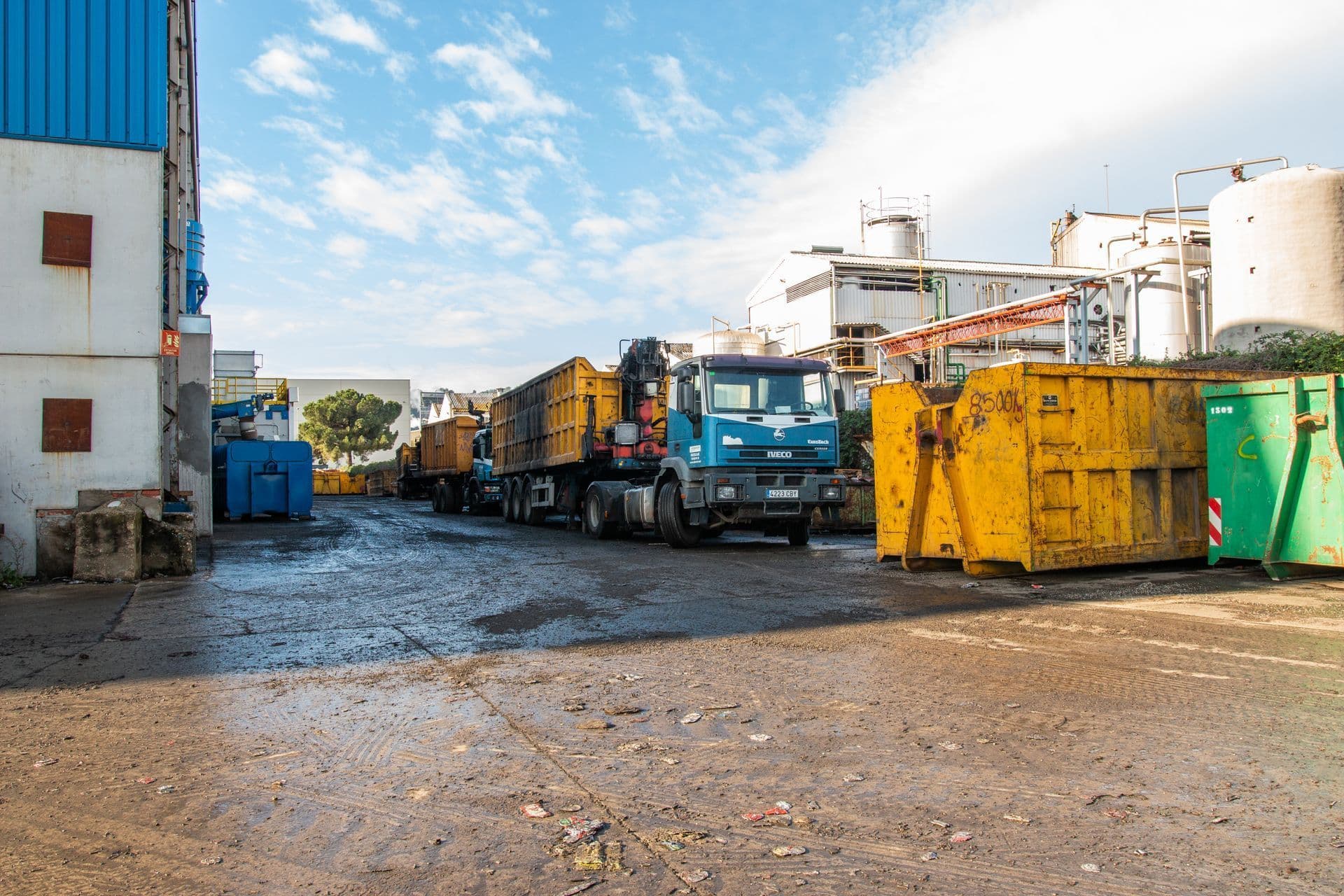
Our part is mainly the third R, although it also has an effect on the other two. We place containers from 1 to 30 m³ at your plant, one per stream if needed, so that separating is easy. When the volume justifies it, our mobile baler bales the scrap at your premises. All of this is part of our logistics and collection service.
We buy metals by type and grade, so separating them properly has a direct effect on what you’re paid. For waste that isn’t metal, we act as an authorised waste broker: we find the right final treatment facility and take care of the paperwork and transport through our waste management service. And if nobody in the company is clear about what is hazardous and what isn’t, the first step is to characterise each waste stream and assign its EWC code (European List of Waste).
Frequently asked questions
Are the three Rs the same as the waste hierarchy?
They are a simplified version of it. Law 7/2022 ranks prevention, preparing for reuse, recycling, other recovery and disposal; the three Rs cover the first three steps.
Are there more than three Rs?
Some versions add refuse, repair or recover. They don’t change the underlying idea: the earlier you act in the chain, the less waste is generated and the less it costs to manage.
Is it worth separating scrap within the company?
Generally, yes. Clean, separated metal is valued more highly than the same quantity of mixed metal, sorting costs are avoided and the paperwork for each stream is simpler.
What do I do with non-metallic waste?
Hazardous and non-hazardous waste that we don’t buy can be managed through Alberich as an authorised waste broker. We find the right final treatment facility and take care of the paperwork and transport.
If you’d like to review how your company separates its scrap, tell us what you generate and how often, and we’ll suggest the right containers and collection frequency.