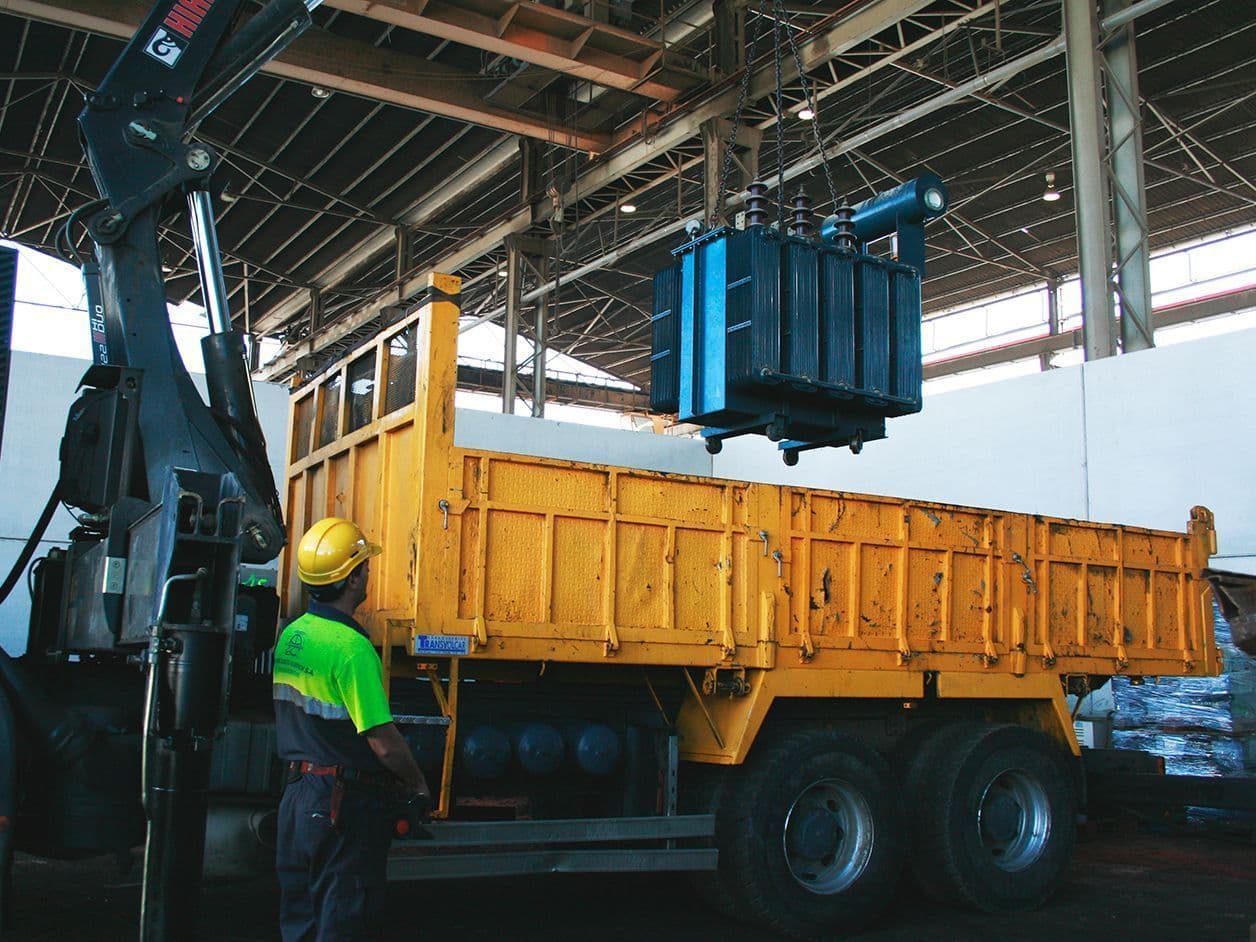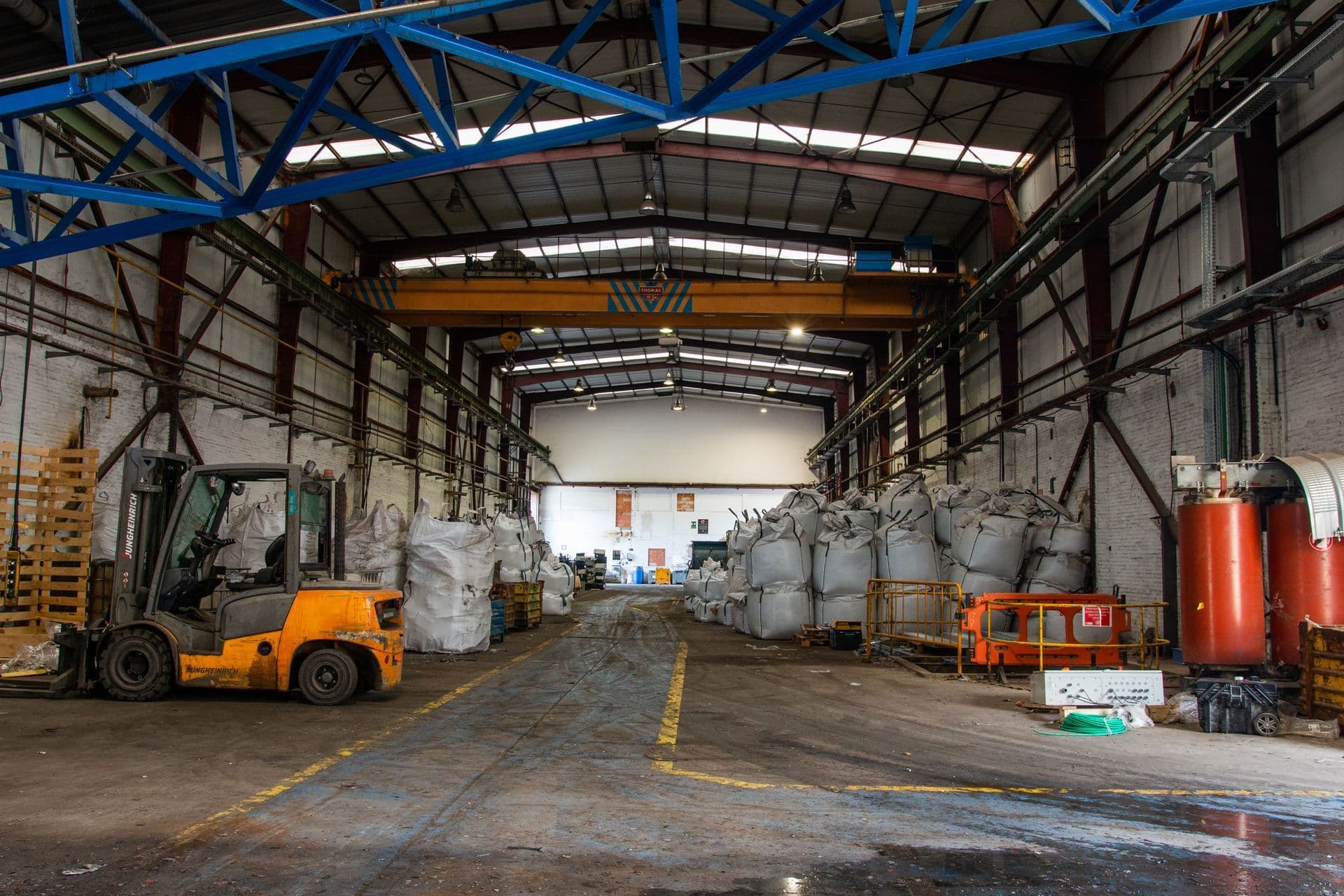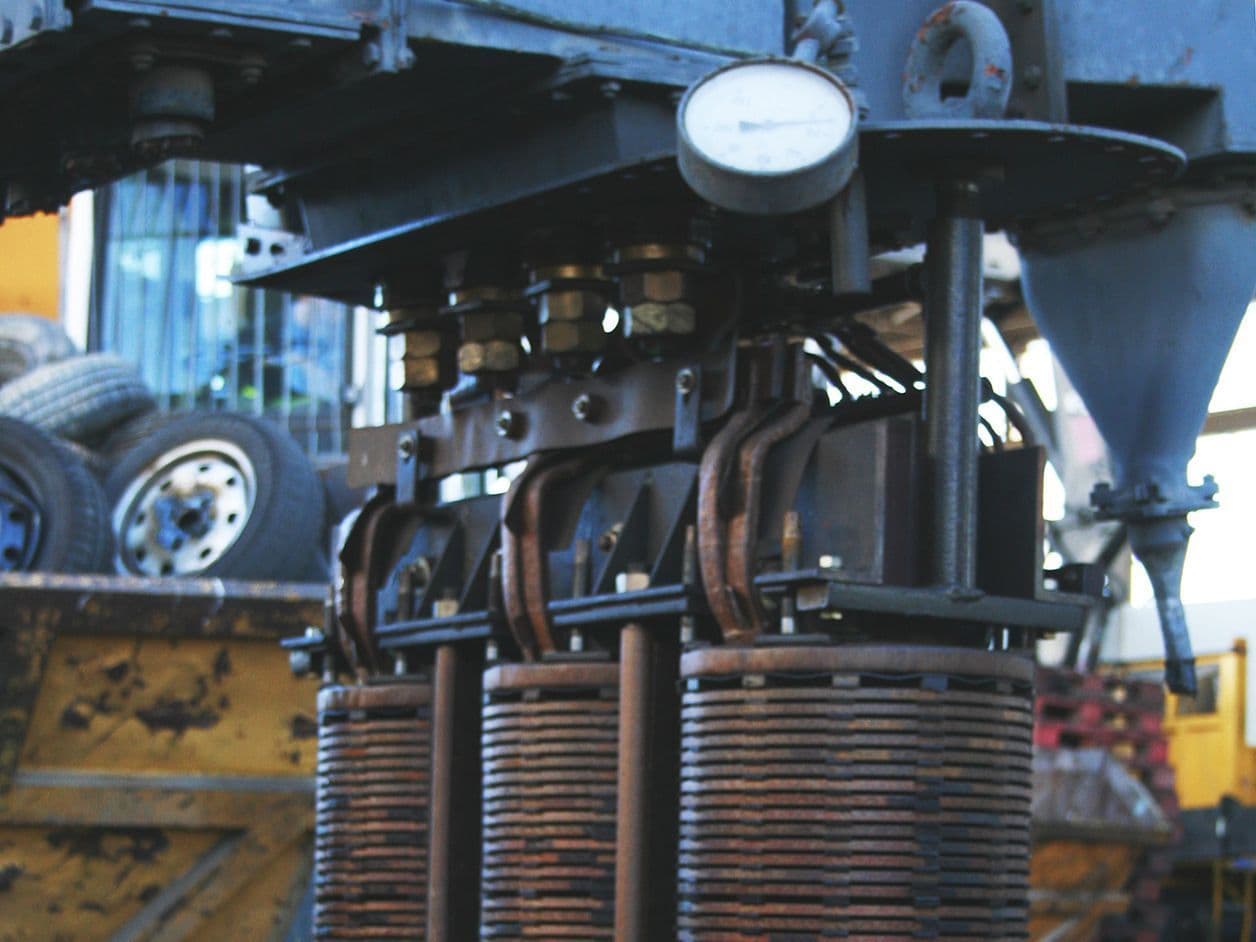
Transformer recycling saves money because the copper in the windings, the steel in the core and tank and, in units without PCBs (polychlorinated biphenyls), the dielectric oil all have value, and that value is offset against the cost of removal. What makes the job more expensive is the opposite: not knowing whether the oil contains PCBs, moving the unit without planning, or leaving it standing idle for years in a substation, at risk of leaking.
What is valuable in a transformer?
| Component | Material | What it contributes |
|---|---|---|
| Windings | Copper in oil-filled units; copper or aluminium in dry-type units | The most valuable part of the unit |
| Core | Silicon steel laminations | Steelmaking-grade ferrous scrap |
| Tank and radiators | Steel | Ferrous scrap, which accounts for a lot of the weight in large units |
| Dielectric oil without PCBs | Usually mineral oil | Can be regenerated or recovered by an authorised waste management company |
| Ancillary components | Insulators, bushings, tap changers, resins | Little value; removed so that they don’t downgrade the metal |
The condition of the winding copper matters: it carries varnish and insulating paper, and that is taken into account when it is graded against clean copper. We explain step by step how each material is separated at the plant in our guide to electrical transformer management and recycling.
What determines how much is recovered?
- The type of transformer: oil-filled without PCBs, oil-filled with PCBs, or dry-type. With PCB units, managing the oil has a cost that eats into the value of the metal.
- The winding metal: copper or aluminium, which are not valued equally.
- Size and weight, which determine how much metal there is.
- Location and access: lifting a unit out of a basement with a crane doesn’t cost the same as loading it in a yard.
- The market: the copper price on the London Metal Exchange (LME) and demand for scrap at the time.
What does it cost to manage a transformer badly?
A good deal more than doing it properly. These are the most common costs of poor management:
- PCBs that nobody had detected. If the oil turns out to be contaminated after it has been moved or mixed as if it weren’t, you have to reclassify it, decontaminate whatever it has come into contact with and redo the paperwork.
- Leaks from an idle unit. An old transformer that leaks oil can contaminate the soil, and cleaning up contaminated soil costs far more than removing the unit in time.
- A handover without paperwork. If the transformer ends up with someone who isn’t authorised, the waste is still your responsibility and you are exposed to penalties.
- Space and monitoring. While the unit sits idle, it takes up room, needs inspections and its metal earns you nothing.
How do you get the most out of transformer recycling?
- Collect the data from the rating plate: type, rating in kVA, year of manufacture and, if shown, the trade name of the oil.
- Take photos of the unit from the front and from the side, and of the access.
- If you have a PCB analysis, keep it to hand; if not, ask for an oil sample to be taken.
- If you have several units out of service, deal with them together: a single operation spreads the transport cost.
- Ask for the material valuation to be itemised in the proposal.
How we do it at Alberich
The Catalan Waste Agency (ARC) authorises us, under waste management authorisation no. E-345.97, to handle oil-filled and dry-type transformers. We treat oil-filled units without PCBs and dry-type units at our plant: controlled oil draining, removal of the windings and separation of the copper, aluminium and steel. The copper goes straight to our copper line and the steel into the ferrous scrap stream. For units containing PCBs we act as a transfer station (T62), and the final destruction is carried out by an authorised final treatment facility. The value of the material is reflected in the proposal and in the priced goods-received note we issue when we take delivery of the unit.
Frequently asked questions
Will I be paid for an old transformer?
It depends on the unit. Transformers are among the materials we buy, and for oil-filled units without PCBs the value of the copper and steel carries a lot of weight in the proposal. For units containing PCBs, the cost of managing the oil reduces that margin. The valuation is always based on the data for each unit.
Does a dry-type transformer work out better?
Not necessarily. There’s no oil to manage, which simplifies treatment, but the windings may be aluminium, which is worth less than copper. You can’t tell until you’ve seen the rating plate and the unit.
Is it worth waiting for copper prices to rise before removing it?
It rarely pays off. Nobody can predict the price, and while you wait the unit keeps taking up space and remains at risk of leaking. If it also contains PCBs, putting off its management only prolongs a risk that is yours.
If you have one or more transformers out of service, send us the rating plate data and a few photos and we’ll get back to you within 48 working hours.