AlUsed Beverage Cans

UBC · Used aluminium cans

UBC (used beverage cans) is the trade term for post-consumer drinks cans. As an aluminium fraction it is exceptionally valuable: its purity and the ease with which it remelts close the loop on new can production, with a 95% energy saving compared with production from bauxite.

What it is

Definition and industrial context.

UBC is recovered at source (household waste recycling centres, canning plants) or from aggregated post-consumer collection. It is a high-value recovered material in the aluminium recycling chain because of its purity and how easily it can be remelted. In 2015 Alberich added a dedicated line for recycling and recovering aluminium cans, and in 2021 upgraded the process with a second phase.

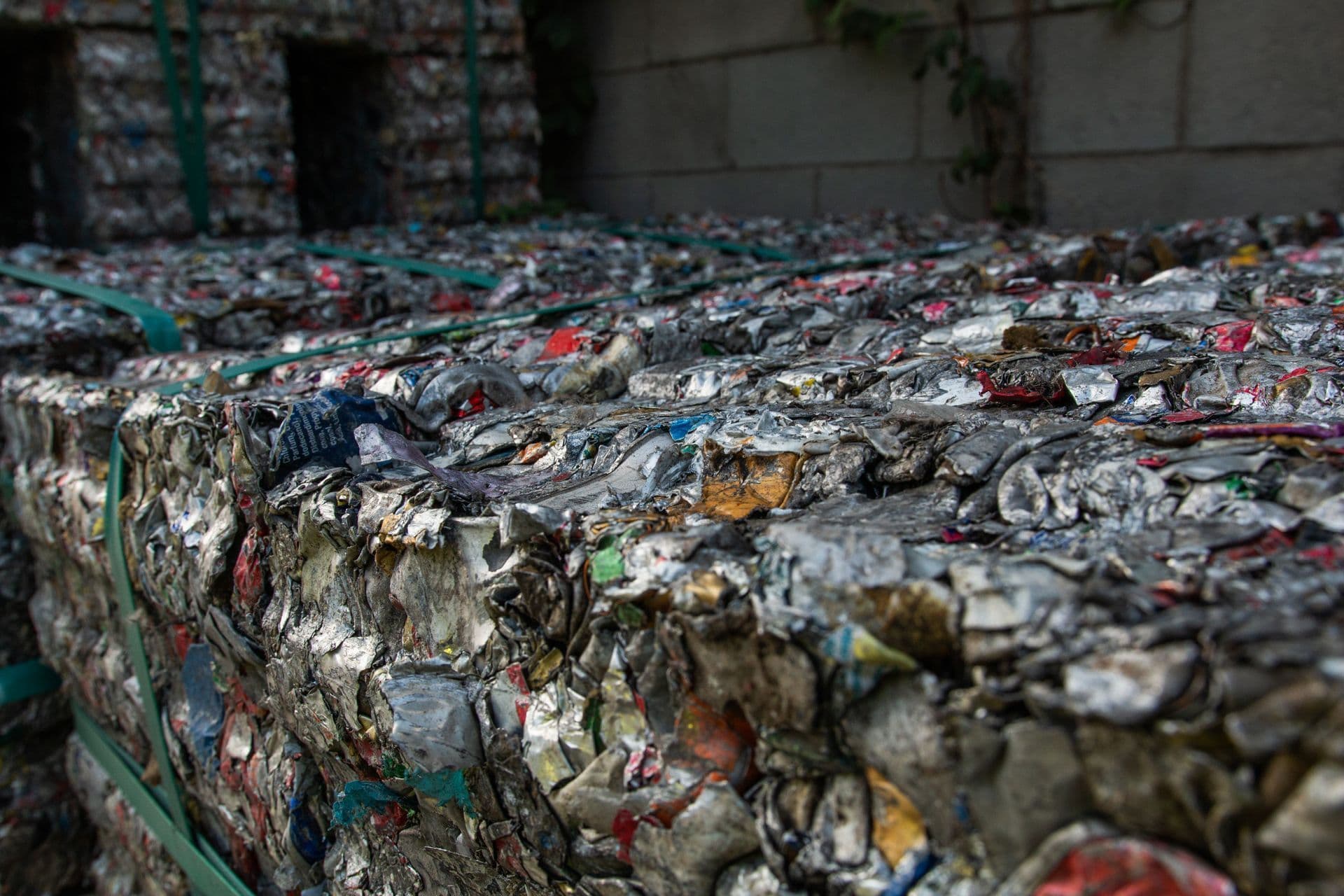
Bales of pressed aluminium cans
Robot stacking bales of aluminium cans
Crane moving bales of pressed aluminium cans
Forklift truck loading bales of aluminium cans
Technical specifications

Technical data.

  • 01Source
    Used beverage cans
  • 02Dedicated line
    Since 2015 · second phase in 2021
  • 03Output format
    Baled or shredded
  • 04Typical end use
    Secondary remelting / new cans
Industrial process

From incoming material to processed grade.

01

Where the material comes from

We collect UBC from municipal household waste recycling centres, canning plants with surplus production and intermediate waste operators. We accept UBC loose, pressed or baled, at different levels of cleanliness (liquid residues, labels, etc.).

02

Industrial processing

UBC is graded by cleanliness and passed through magnetic separation to remove ferrous contaminants, then through eddy current separation to reject other non-ferrous contaminants. It can be pressed into high-density bales or shredded to the end customer’s specification.

03

Quality control

Visual inspection at intake, weighing on a trade-approved weighbridge and automatic magnetic separation. If the customer requires it, chemical analysis of a sample to certify the alloy and impurity level before dispatch.

Industrial applications

Where it’s used.

/ 01

New can manufacturing

A closed loop: recycled cans become the raw material for new cans, with very significant energy and CO2 savings.

/ 02

Secondary aluminium

Secondary remelters producing aluminium for a wide range of industrial applications from recycled material.

/ 03

Food and drink industry

Raw material for food-contact packaging, which requires specific alloy traceability.

Pricing

How the market values it.

Price reference

LME aluminium · Discount for post-consumer handling

Tell us your estimated monthly volume, format (loose/baled), location and frequency. We value it against the current London Metal Exchange (LME) price.

What determines the price
  • 01LME aluminium base price
  • 02UBC density (baled vs loose)
  • 03Cleanliness and level of contaminants
  • 04Monthly volume and frequency
  • 05Logistics depending on location
FAQs

What people ask us most.

For two reasons: a uniform alloy and a closed-loop end use (a recycled can becomes a can again). That creates strong demand and a better return than other aluminium fractions with more contaminants.

Yes, but cleanliness affects the final price. We remove plastic and organic residues during processing, but cleaner UBC is valued higher and commands better rates.

Recycling aluminium saves up to 95% of the energy needed to produce it from bauxite. In the case of UBC, that saving combined with the closed packaging loop makes it one of the most environmentally efficient fractions.

Extrusions are extruded aluminium from windows, doors and other metal joinery; UBC is used drinks cans. They are different alloys with different applications: both fractions have value, but they go to different end uses in the secondary aluminium industry.

In 2015 we added a dedicated line for recycling and recovering aluminium cans, and in 2021 we upgraded the process with a second phase.

Request a price · UBC · Used aluminium cans

Get your UBC · Used aluminium cans valued.

Send us a description of the material, estimated volume and frequency. We’ll come back to you with a price based on the factors listed above.